
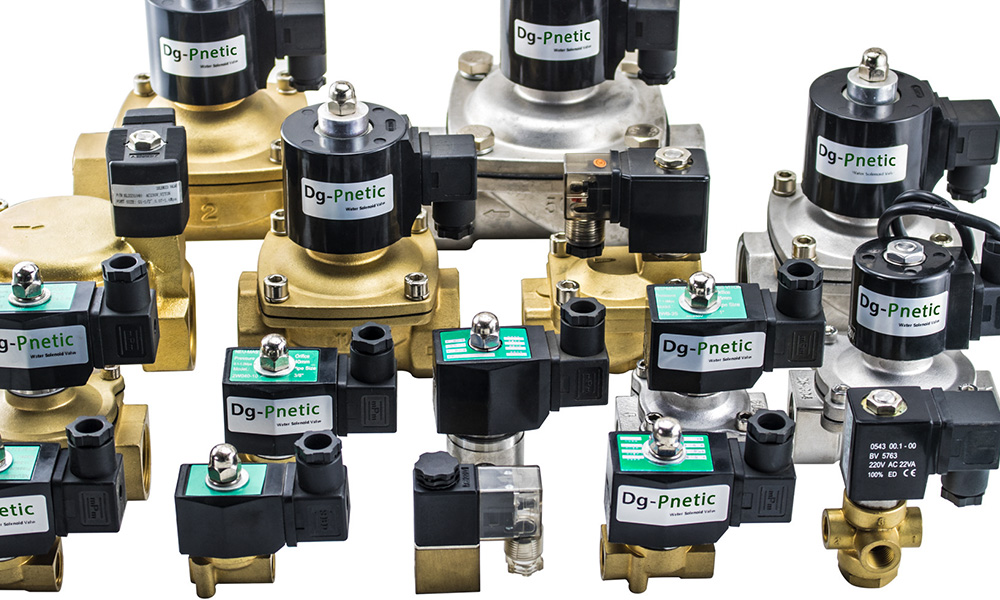
Shortly it’s a kind of shut off valve which used to precisely control the chemicals medium.
It has the ultrahigh cycle life, high-speed actuation, correct flow rates, and high thermal immersible ability, and extreme cleanliness needed to enable precise dosing in advanced semiconductor manufacturing applications.
ALD ultrahigh-purity valves feature:
1. Ultrahigh cycle life with high-speed actuation
2. Flow coefficients ranging from 0.27 to 1.7
3. Full immersible ability up to 392°F (200°C) with thermal actuators
4. Suitability for ultrahigh-purity applications with standard 316L VIM-VAR stainless steel valve bodies
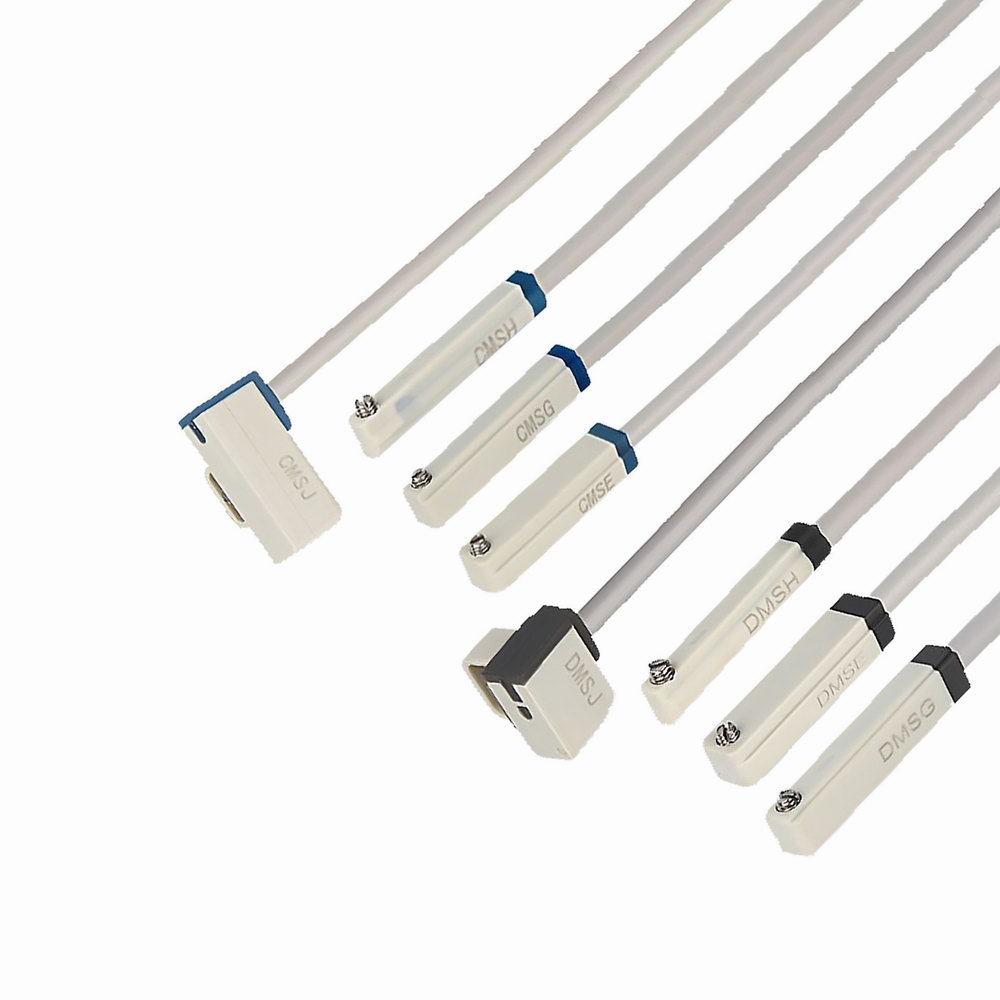
5. Electronic or optical actuator position-sensing option
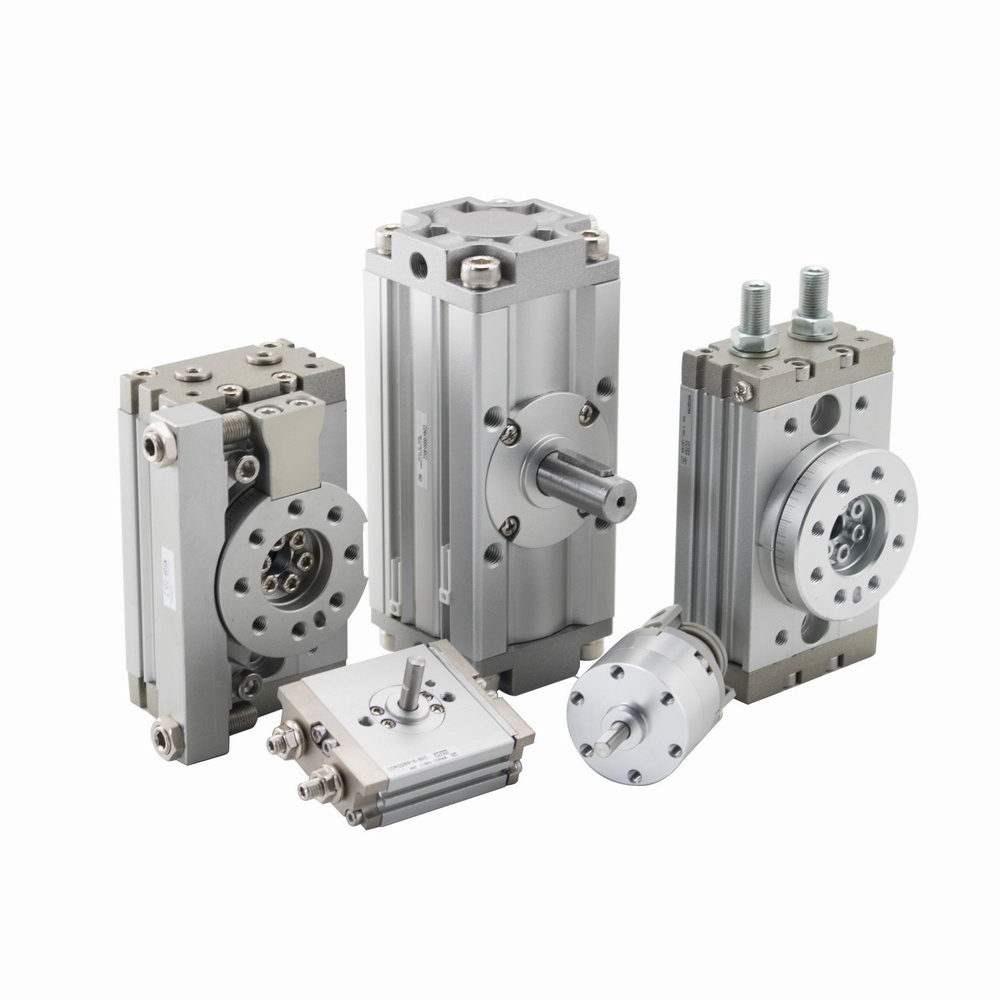
This valve has three key parts, the first is the electric pneumatic reversing valve, the second is the driving cylinder, the third part is the diaphragm valve.The following figures show the part table.

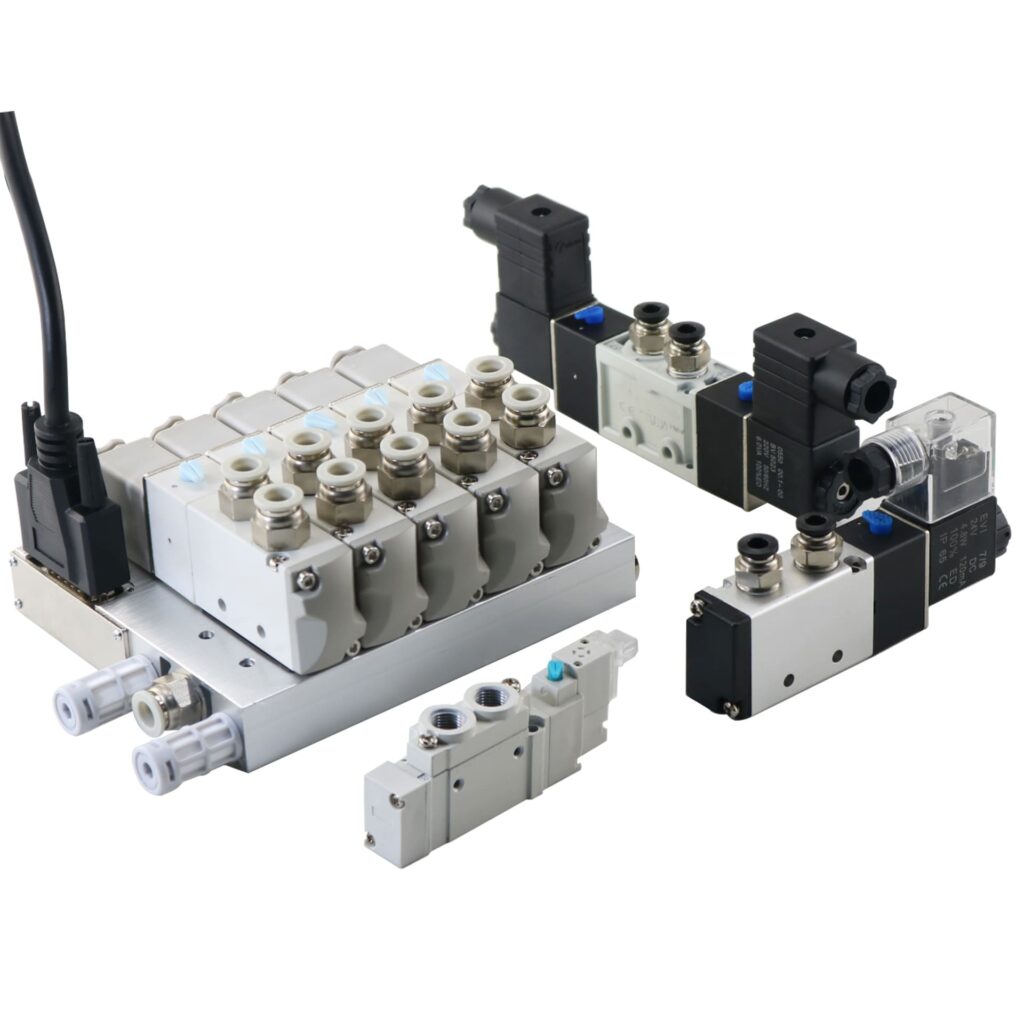
A. The electric air reversing valve:
It’s the simplest solenoid with the inner iron coredriving the sliding column to move in the valve body to seal or open the valve ports. So we called it as directing action valve. Normally the valve is 2/3 way type. Relying on the interaction of the electromagnet and the spring, the column can be shifted to realize the reciprocating movement.
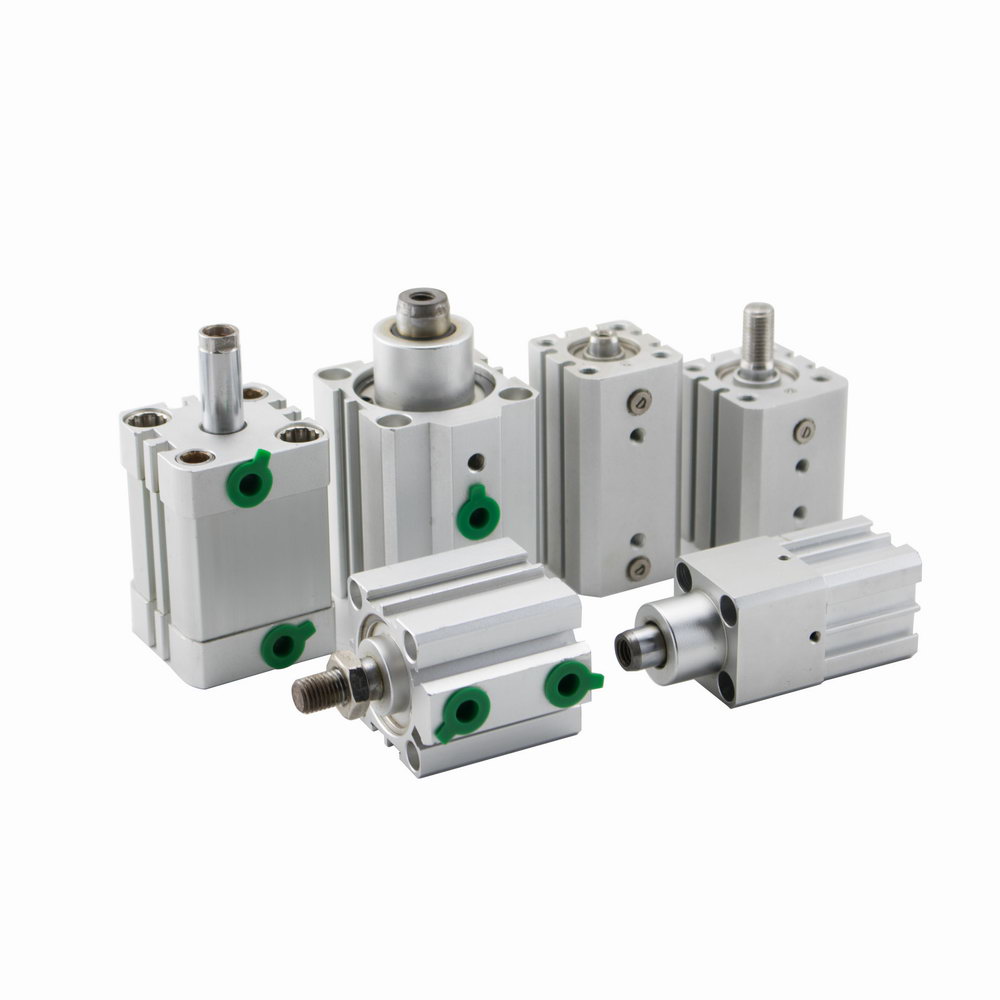
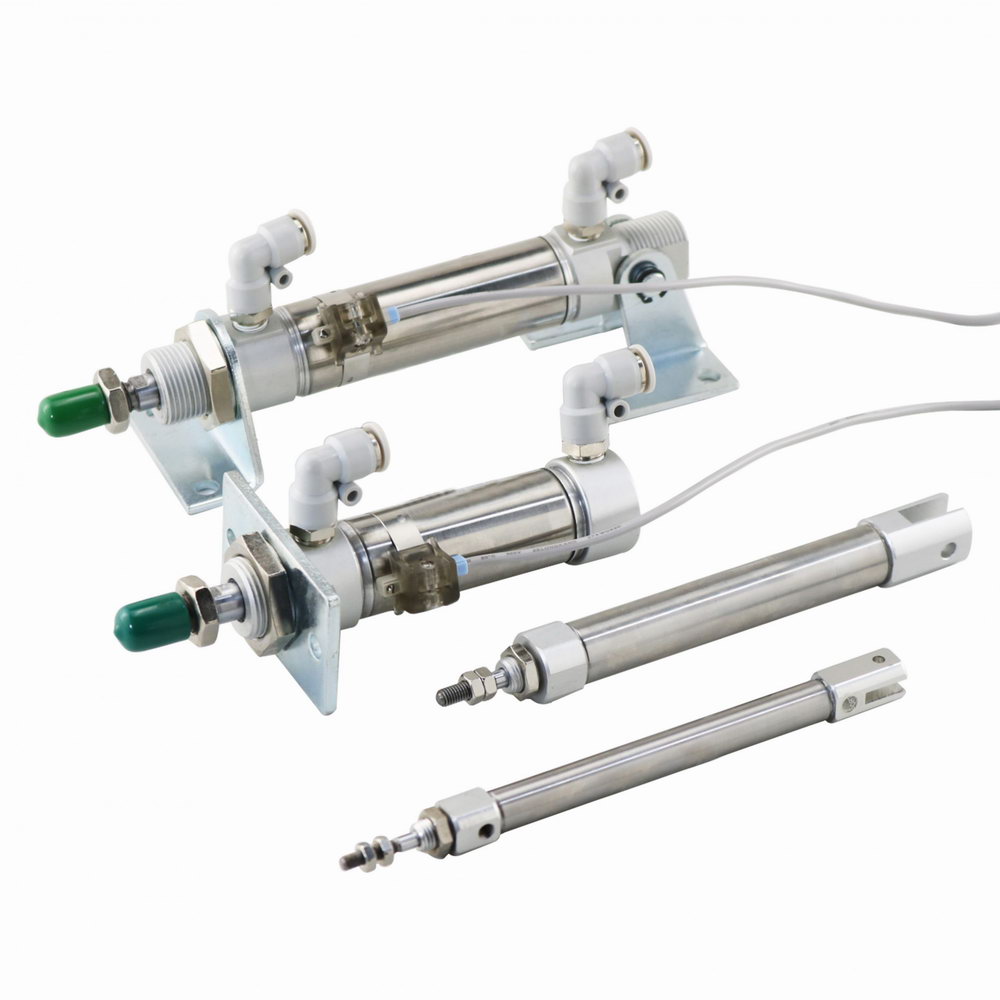
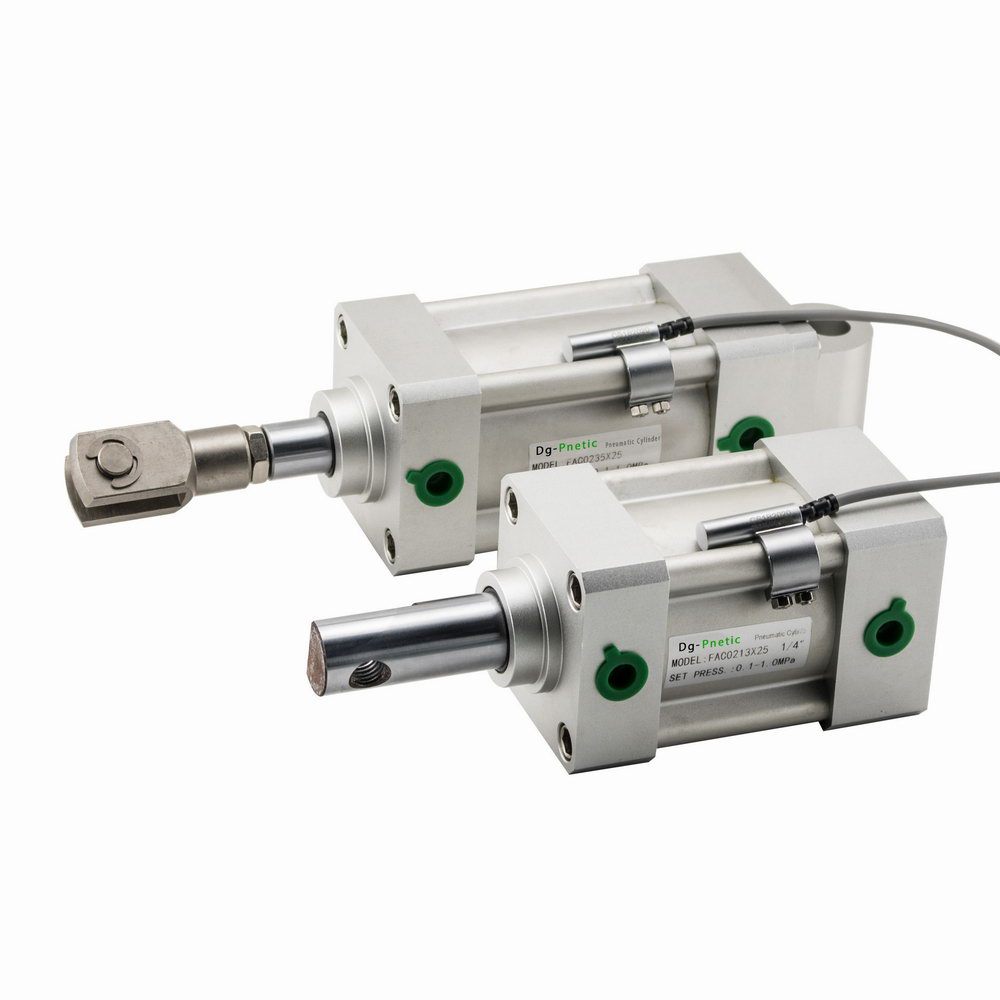
B. The driving cylinder
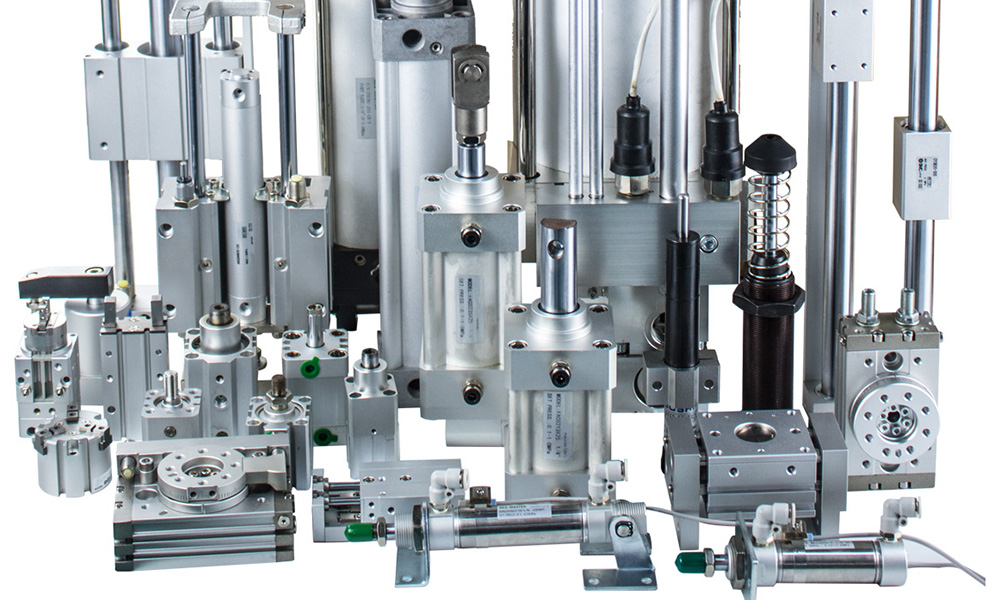
It’s a kind of Compact cylinders have the same similar features as standard air cylinders, which are composed of end caps, two pistons, cylinder barrels, and seals. And the cylinder used on the valve is a type of single acting cylinder, the piston drove by the compress air , and
returned by the carbon steel spring. In the application, the key point is
the lubricant, the seal material. They must be suitable for the usage in
high temperature environment (200℃).
C. The diaphragm valve
The valve are made of stainless steel 316L. The cylinder piston rod push the a pole to press the metal diaphragm to block of the orifice on the valve seat. And once the cylinder redraw the press on the pole, the Metal diaphragm will recover due to the cambered stress.
The metal diaphragm:
ALD offers a number of advantages, all of which arise from the self limiting, sequential reactions.
Well controlled
First, while deposition is not exactly a single atomic layer per cycle, film thickness is well controlled and excellent uniformity can be achieved across the wafer.
Perhaps even more importantly, ALD creates layers that conform extremely well to the wafer topography.
With identical film thicknesses deposited on the tops, sides, and bottoms of device features. This high conformality is a critical capability forhigh-aspect-ratio and 3D structures.
Lastly, surfaces created by ALD are atomically smooth, with well-controlled chemical composition.
