
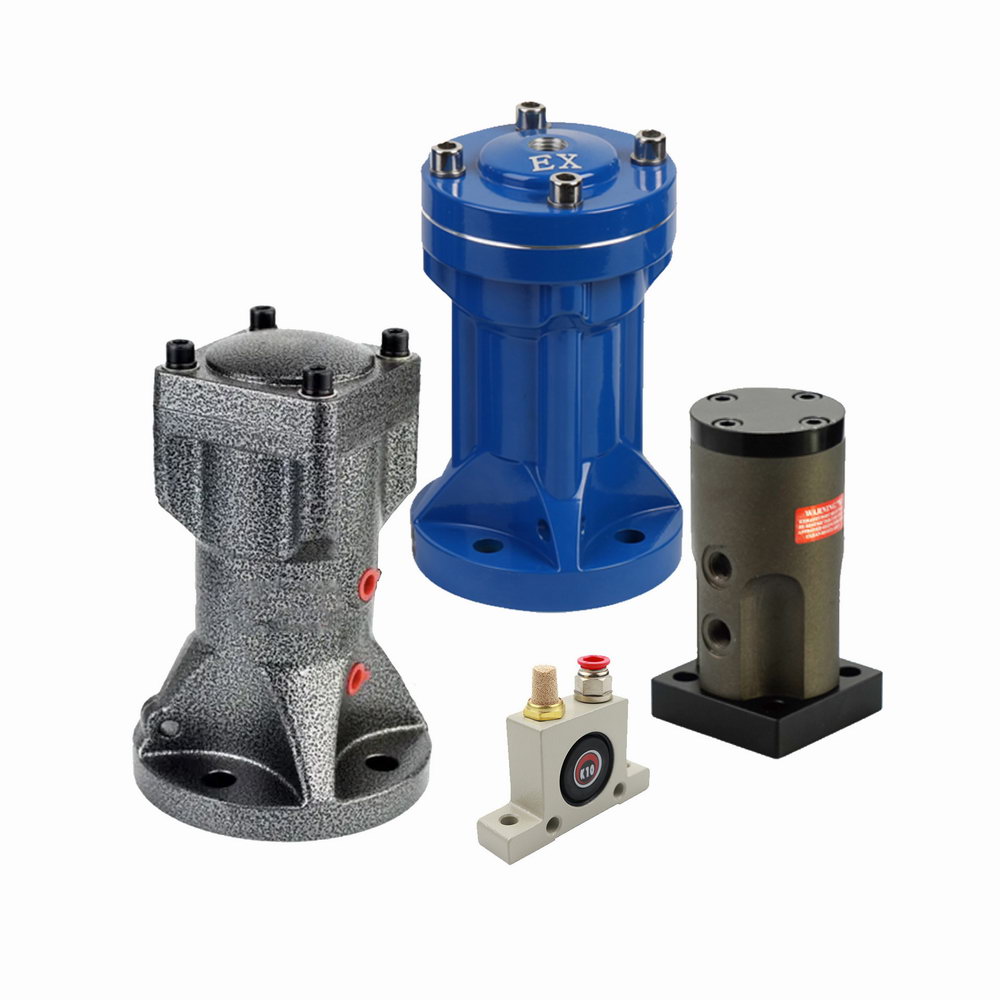
Pneumatic vibrators are mechanical devices that use compressed air to create vibration. These vibrations help improve the flow of bulk materials by preventing sticking, bridging, clogging, or buildup inside containers like silos, hoppers, bins, pipelines, and chutes.
 Main Types of Pneumatic Vibrators
| Type | Operating Principle | Key Features | Applications |
|---|---|---|---|
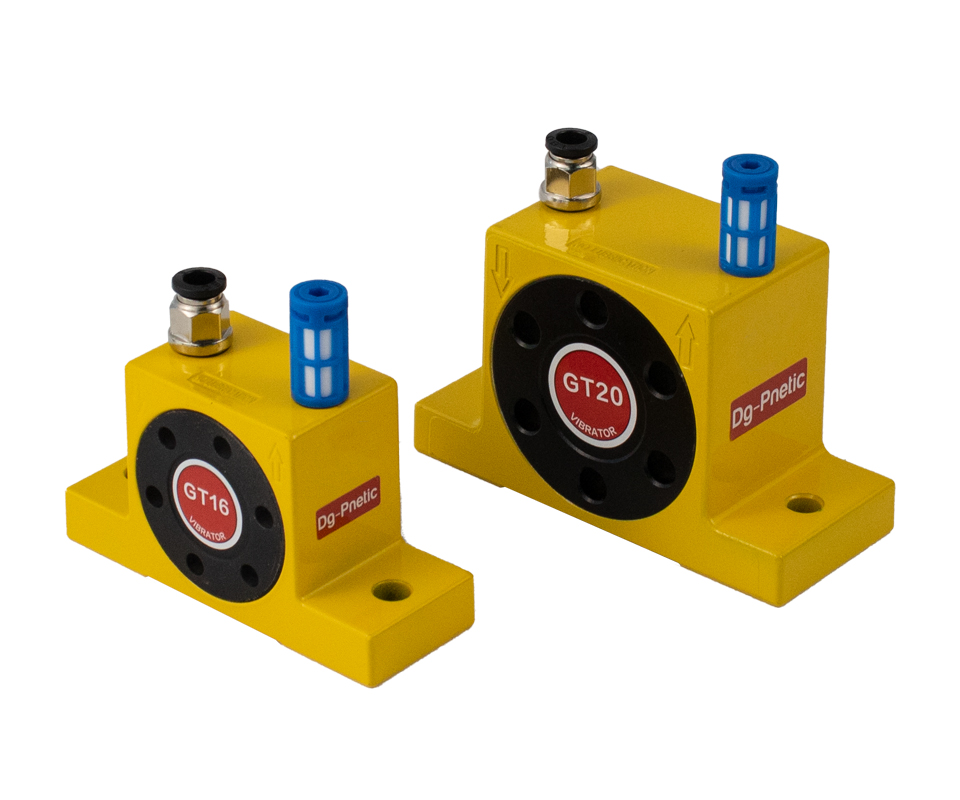
| Ball | Air rotates a steel ball inside a raceway | Simple, low-cost, moderate noise | Silos, hoppers, vibrating tables |
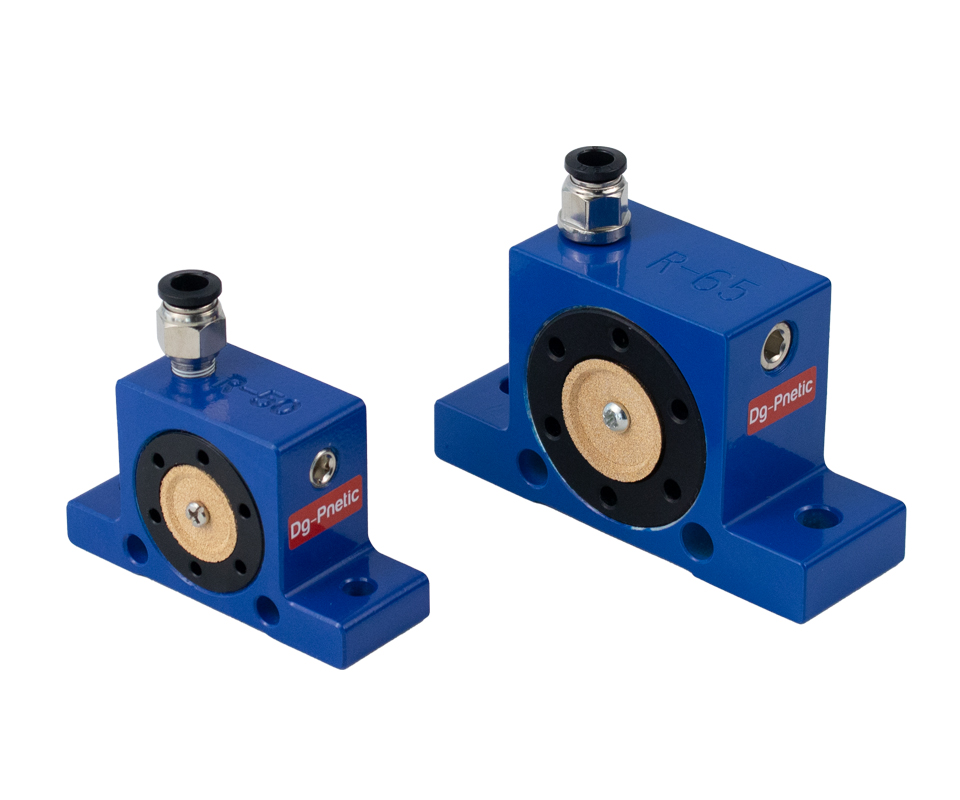
| Roller | Air drives a cylindrical roller in circular motion | Higher force than ball, still low maintenance | Adhesion prevention, material flow |
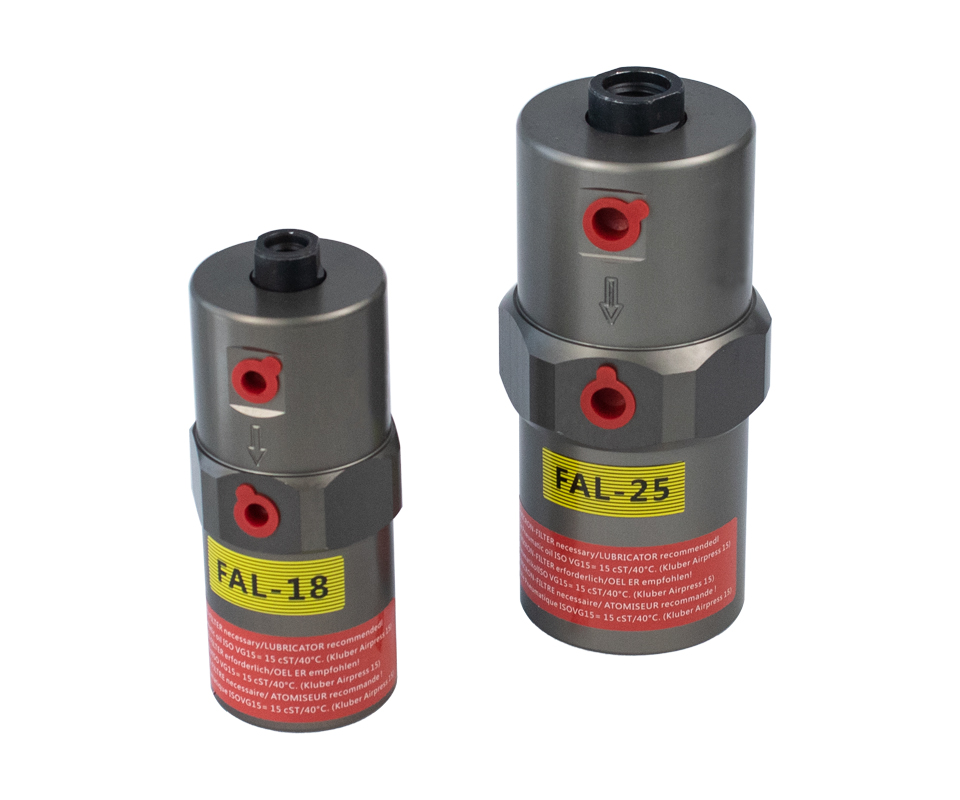
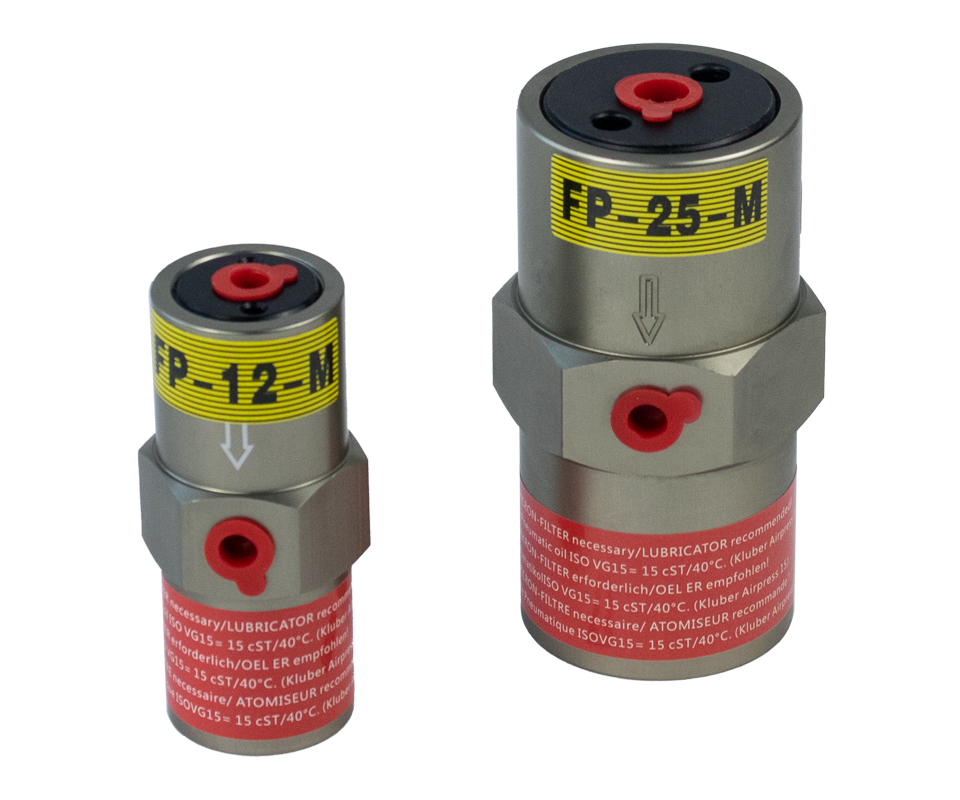
| Piston | Air pushes a piston back and forth | Powerful linear impact, ideal for tough materials | Rat-hole/bridge breaking in silos, bins |
| Turbine | Air spins an unbalanced turbine wheel | High-frequency, quiet, no lubrication needed | Small hoppers, pharma, food industry |
 Ball & Roller Vibrators
Ball and roller vibrators use compressed air to move a steel ball or roller along a hardened raceway. This creates rotary vibration through centrifugal force. The heavier and faster the moving part, the stronger the vibration.
Ball Vibrators: Non-impacting and use a spinning steel ball
Roller Vibrators: Use a similar principle with a cylindrical roller
Benefits:
Cost-effective and reliable
Easy to install and remove
Require airline lubrication
Ideal for vibrating tables, silo discharge, screen filters, and preventing blockages
Noise Level: Higher than turbine vibrators
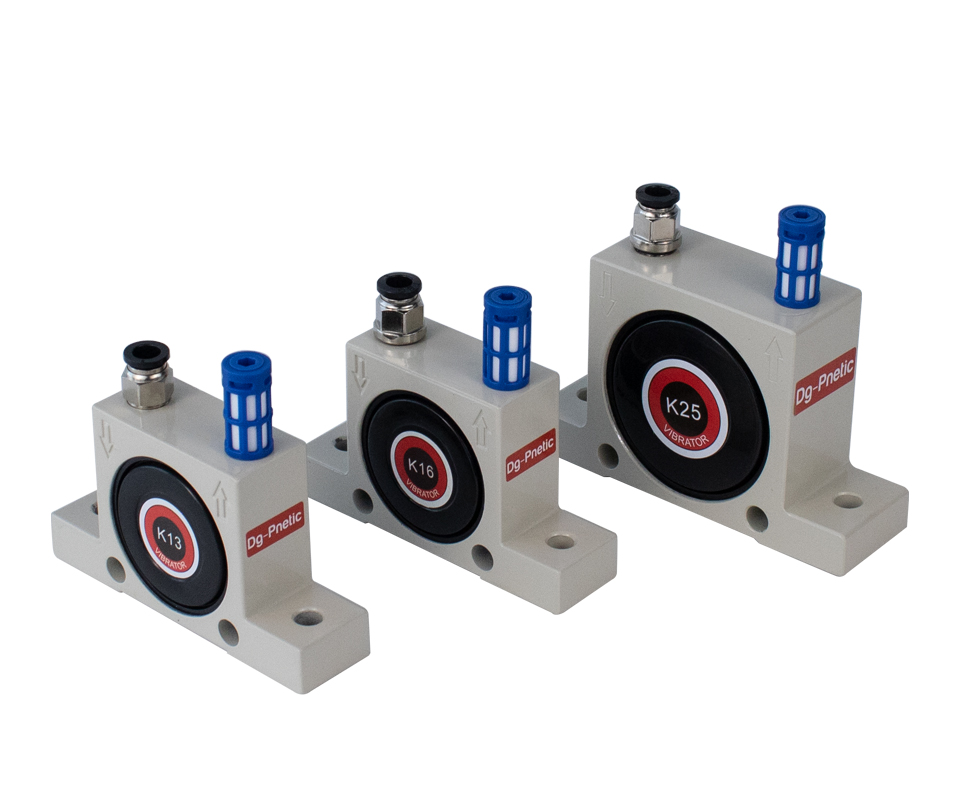
Use Case Example: DG-pnetic’s K-series ball vibrators are used worldwide in bulk material handling.
 Piston Vibrators
Pneumatic piston vibrators move a piston back and forth inside a cylinder using compressed air. This linear motion generates powerful vibrations to help break material bridges or rat holes in hoppers, bins, and silos.
Applications:
Promotes flow of sticky or compacted materials
Solves flow problems in various industries
Advantages:
Available in multiple sizes
Effective on stubborn or stuck materials
Working Principle:
Air enters through ports, pushing the piston
Vibration is transferred to the container walls to loosen materials
 Turbine Vibrators
Turbine vibrators use compressed air to spin an unbalanced turbine wheel, producing quiet and efficient rotary vibrations.
Advantages:
Virtually silent (65–75 dB)
No lubrication needed
Low air consumption
Sealed, maintenance-free bearings
Applications:
Ideal for small hoppers, bins, chutes, tracks, and screens
Common in food, pharma, and molded product industries
Performance:
High-frequency, high-force vibration
Durable and long-lasting, like ball vibrators but quieter
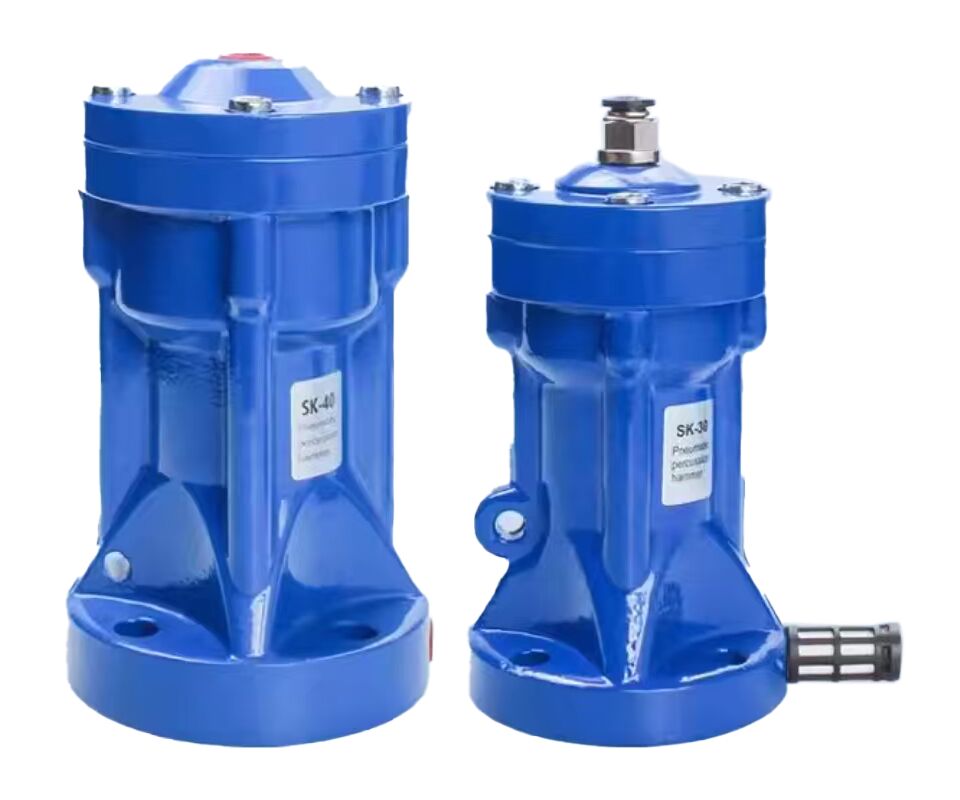
An Impact Air Hammer, also called a pneumatic impact vibrator or air knocker, is a type of pneumatic device that delivers short, powerful impacts to dislodge stubborn material buildup in bins, silos, hoppers, chutes, or pipes.
It’s particularly effective for coarse, sticky, or compacted materials that don’t respond well to standard vibrators.
 How It Works
An impact air hammer uses compressed air to drive an internal piston rapidly against a strike plate or directly onto the mounting surface. This creates a strong, shock-like vibration or impact that breaks up hardened, stuck, or bridged materials.
The impact force can be adjusted by changing:
Air pressure
Firing frequency
Size/type of hammer
 Choose the Right Type of Pneumatic Vibrator
| Type | Best For | Key Advantages |
|---|---|---|
| Ball Vibrator | General purpose, light to medium materials | Low cost, easy to install |
| Roller Vibrator | Medium to heavy materials | Higher force than ball, still economical |
| Turbine Vibrator | Clean environments (food, pharma) | Quiet, oil-free, low maintenance |
| Piston Vibrator | Sticky or compacted materials | High linear impact force, effective for blockages |
| Impact Air Hammer | Tough materials, severe buildup | Delivers hammer-like shocks, ideal for stubborn blockages |
 Match Air Requirements
Check your compressed air supply:
Minimum and maximum operating pressure
Air consumption rate (make sure your air system can support it)
Filtered and lubricated (if required by vibrator type)
 Noise & Maintenance Concerns
Noise-sensitive areas? → Choose turbine vibrators (65–75 dB)
Low maintenance? → Choose sealed, oil-free models (like turbine)
High shock tolerance? → Choose impact vibrators
 Environmental Suitability
Explosive zones → Pneumatic vibrators are intrinsically safe
Outdoor or humid areas → Choose corrosion-resistant models
High temperature? → Use heat-resistant designs