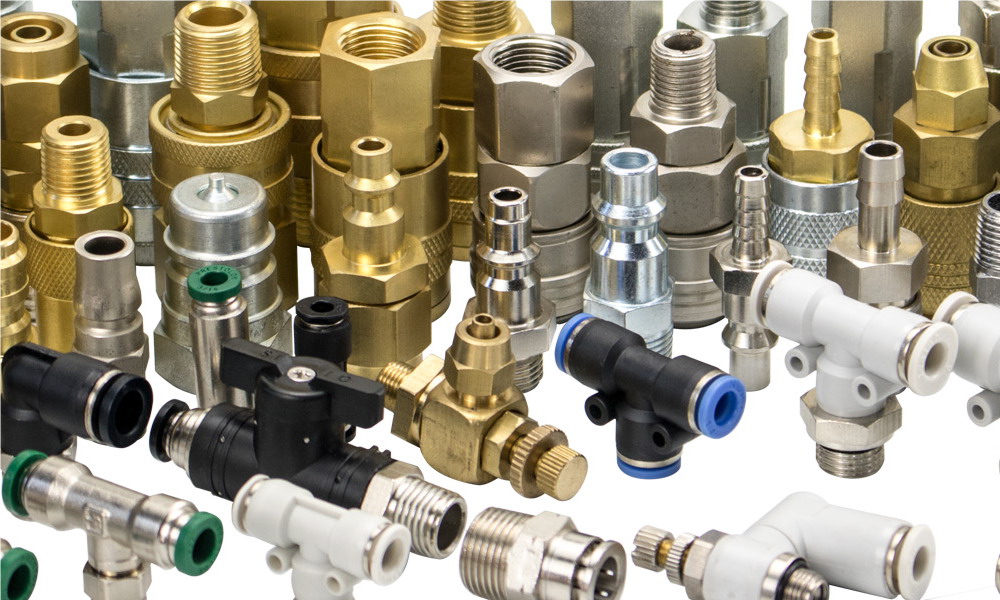
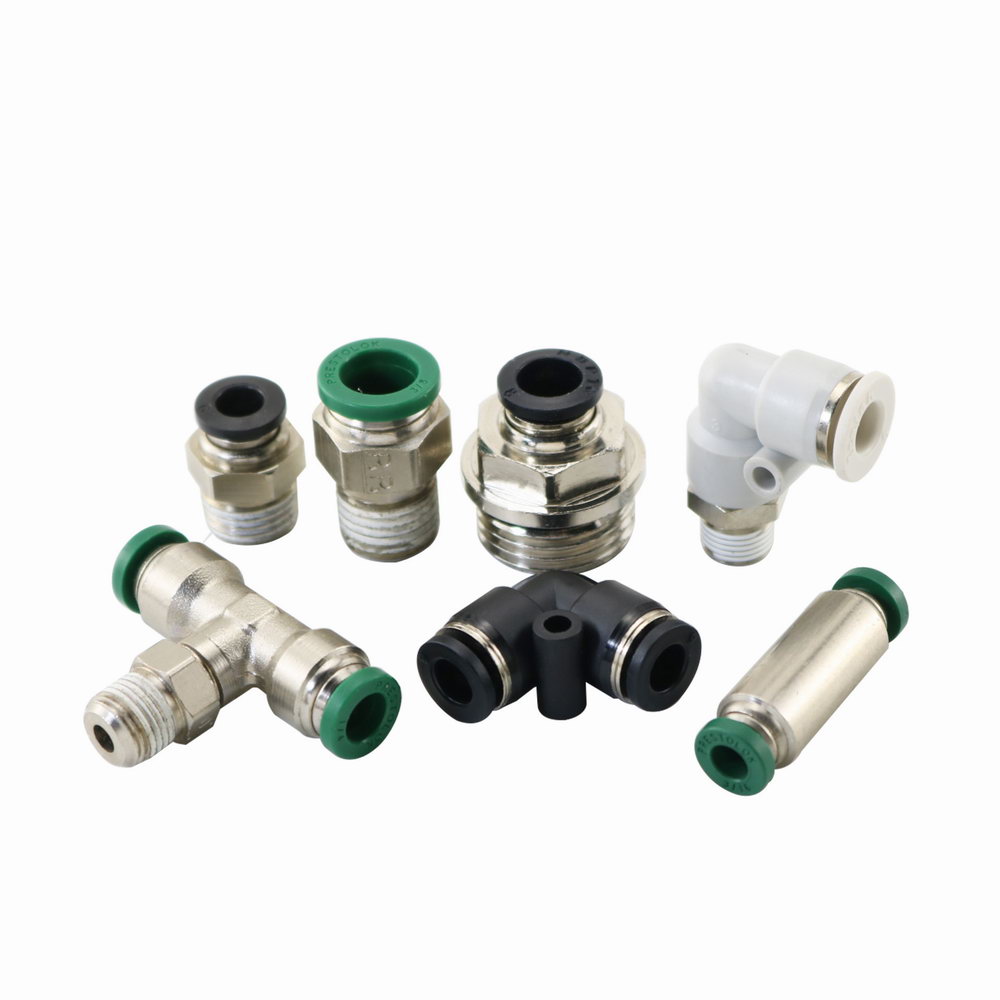
What’s the Push-in Tube Fittings?
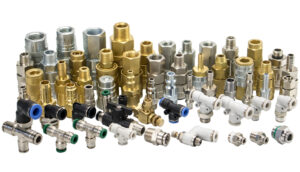
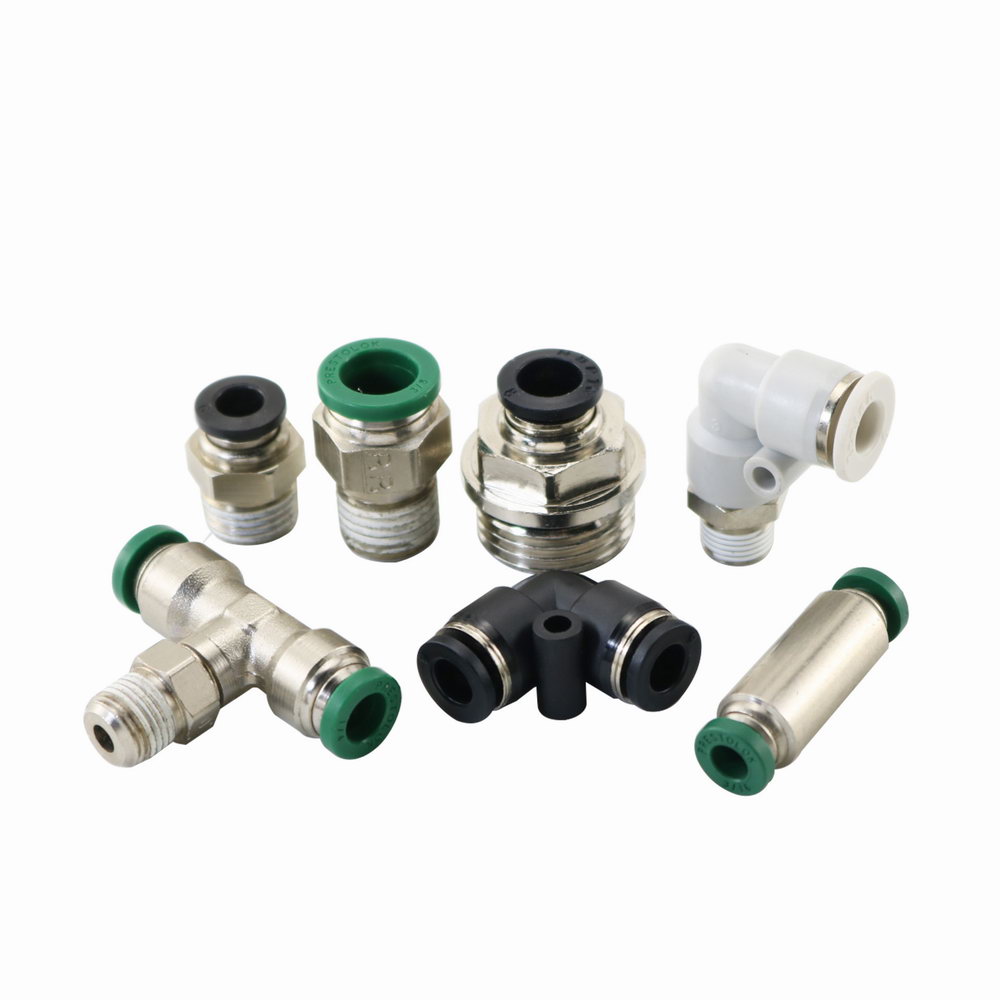
Pneumatic Push-in Tube fittings are used to connect sections of pipe, tube, and hose in pneumatic systems. They are also called as push to connect fittings, tube connector , tube fittings etc. They provide a leak-free means of easily connecting hoses in your compressed air system. Fittings can have between 0-6 inlet/outlet ports, and could be made by plastic, brass and stainless steel.
Compared to hydraulic fittings, pneumatic push-in fittings are typically characterized by tighter seals and lower pressure requirements. Normally, the working pressure should not exceed 120Psi.
The Structure Of The Push-in Tube Fitting.
Plastic Push-in Tube Fitting.
A typical quick-connect push-in fitting is comprised of six main elements: the connecting body, the sleeve button, the collar, the lock claw collet, the bracket ring, and the O-ring.
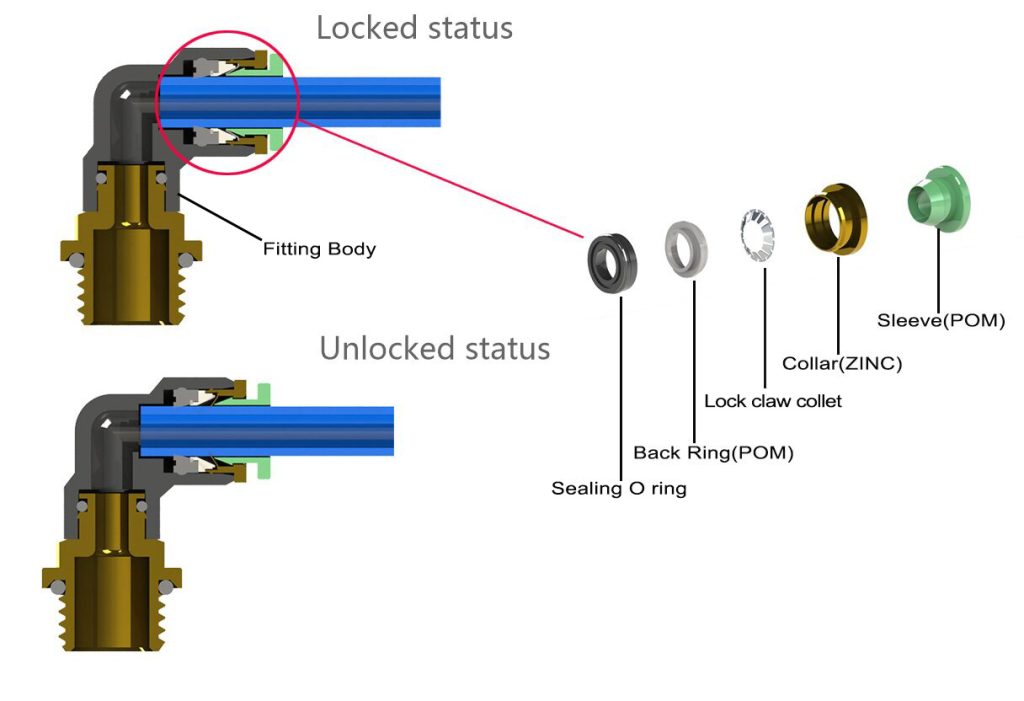
The fitting body: holds the fitting set together and gives air a chamber to pass through. (Or water, as these fittings can also be used in water line)
The sleeve button: allows the tube to be smoothly inserted into the joint. When pulling out the tube, you only need to press the sleeve button and pull out the tube.
The collar: is made by the brass or zinc alloy. It’s in charge of fixing the fitting sets into the connector body.
The lock claw collet: normally made by the spring steel, provides the teeth for the fitting to bite down on the tubing and keep in securely in safe position.
The back ring: which is made by the POM, it works as a bracket to prop up the claw collet.
The O-ring: provides the fittings with a tight seal with the hose.
Almost all of the push-in fittings work on this principle, except for some brass or stainless steel material push-in tube fittings, which use a unique push-to-connect design to establish connections.
Brass Push-in Tube Fitting
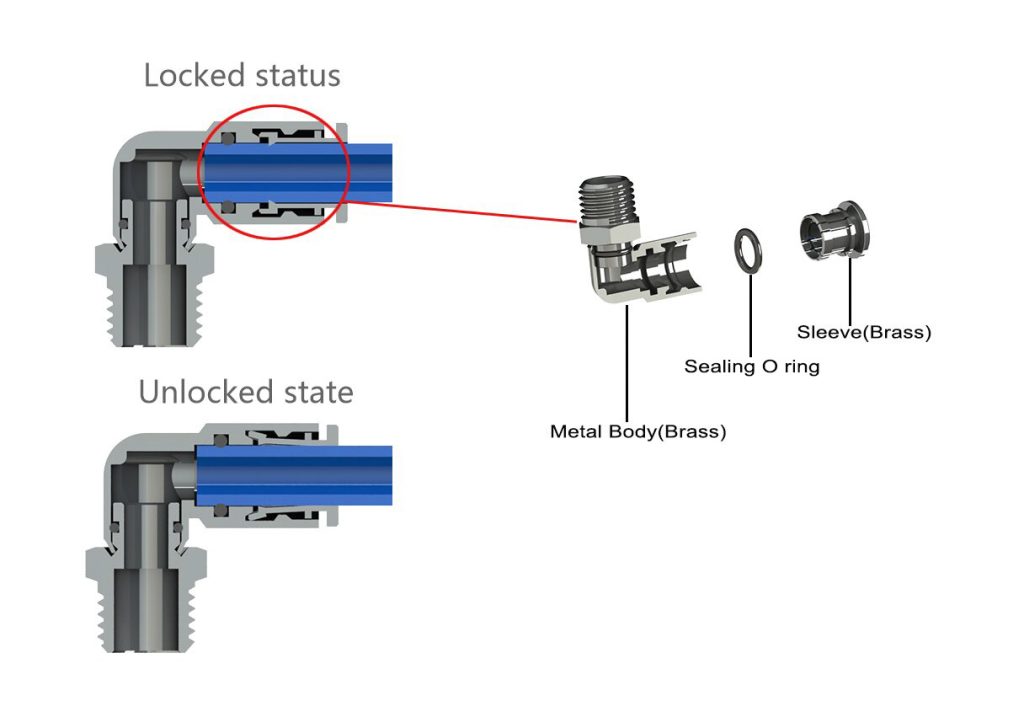
The brass push-in fitting have two type of strucutres! The first strcuture same as the plastic push-in tube fittings, and composed by fitting body, sleeve button, collar etc. But this is only a few choosen option. Well, the second design is widely used. As it could eighter hold the brass tube and even stainless steel tube even it has the simple design. The left figure shows the internal structure.
The Material Of the Tube Fittings
Push-in Fitting material is important for determining various physical properties of the part as well as gas compatibility. Material choices include metals, plastics.
Brass push-in fittings:
strong, durable, with high temperature resistance.
In the high temperature system: We need to replace the normal NBR sealing o ring to FKM sealing! If you has the specail request, please let us know well about that.
In the potable water system: To transport the potable water, we need to change the normal brass material to environment-friendly copper. As the slightly plumbum content of the normal brass material may contaminate the water.
Stainless steel Push-in fittings
Strong with excellent chemical and corrosion resistance. Stainless steel is an alloy of steel that contains over 10.5% chromium.
201 stainless steel: In the normal gas, undrinkable water or non-corrosive enviroment!
304 stainless steel: In the normal gas, drinkable water or corrosive enviroment!
316 stainless steel: In the normal or corrosive gas, drinkable water and meeting the medical equipment request!
In the high temperature system or the corrosion situation: We need to replace the normal NBR sealing o ring to FKM sealing! If you has the specail request, please let us know well about that.
Plastics Push-in Fittings
Polypropylene is a thermoplastic material used widely for pneumatic fittings because of its price, broad material compatibility, and durability. It exhibits excellent cold flow, bi-axial strength, and yield elongation properties. It’s the most widely used fittings due to the lower price and extensive applicability.
But we don’t adopt this fittings in the corrosive and high temperature environment.
What’s Type Push-in Tube Fittings You Need?
1. Plug and cap fitting
Plug and cap fittings are used when the flow of air needs to be temporarily terminated or capped.
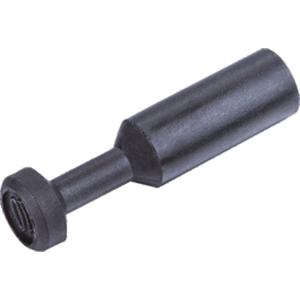
PP plug : Terminate hose fitting
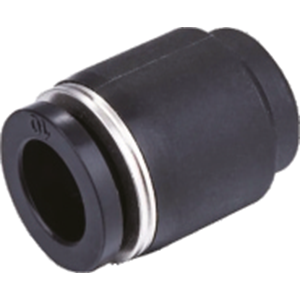
PPF: A cap-seal PU hose end
2. Straight fitting
Straight fittings connect a hose in a straight line with a male or female threaded secondary port.
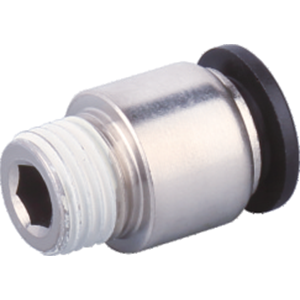
POC Straight Inner hex
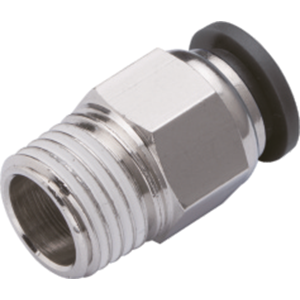
PC Straight
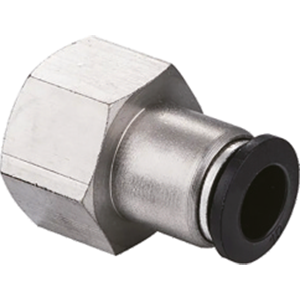
PCF Straight
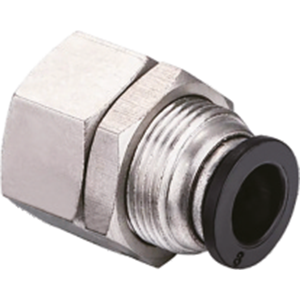
PMF Straight
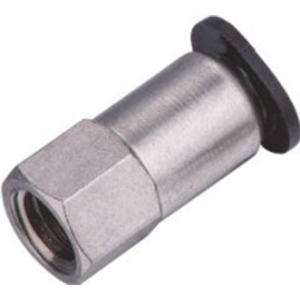
PCF-M Compact Straight
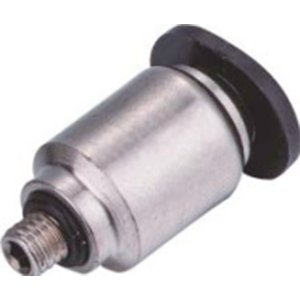
POC-M Compact Straight Inner hex
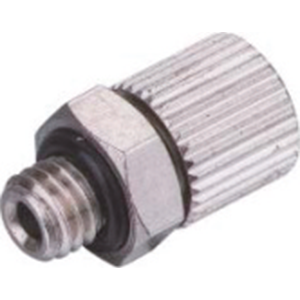
TC-M Compact Straight
Elbow fitting
Elbow fittings connect hoses at 90 or 45-degrees to change the direction of air flow. They have a male or female threaded secondary port. Normal elbows have arms that are the same length, whereas long elbows will have one longer arm.
High Speed Rotary Straight Fitting
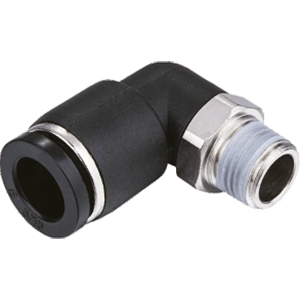
PL Elbow fitting male thread
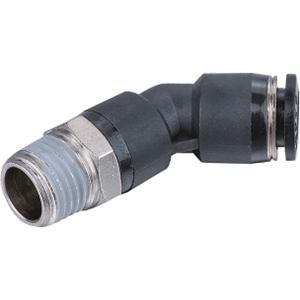
PL135 Elbow fitting male thread
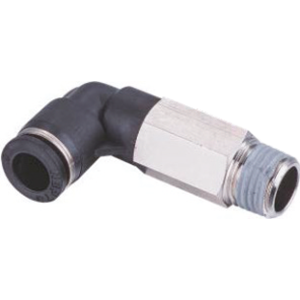
PLL Elbow fitting male thread
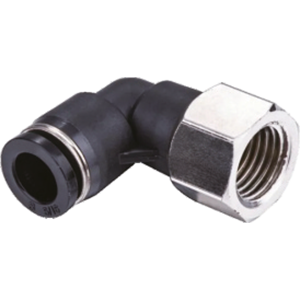
PL Elbow fitting female thread
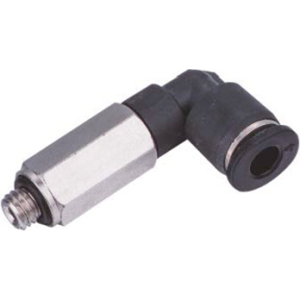
PLL-M Compact Elbow Tube Fitting
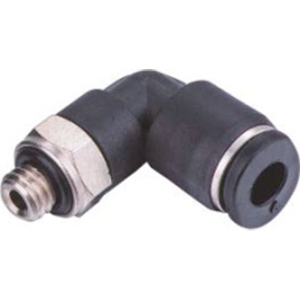
PL-M Compact Elbow Tube Fitting
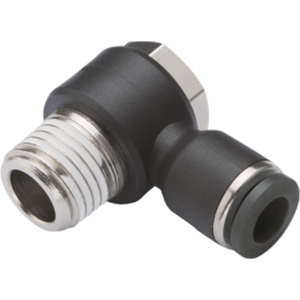
PH Thread-Hose Connection
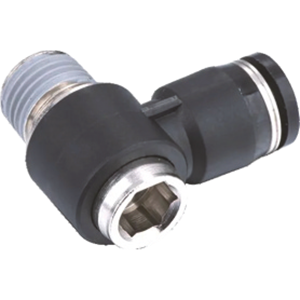
POL Thread-Hose Union
Straight Union Tube Fitting
Union straight fittings have a push-in type connection or a plug at each end to connect two hoses or fittings in a straight line. Unequal union straight fittings have different diameter ports to connect hoses of different sizes.
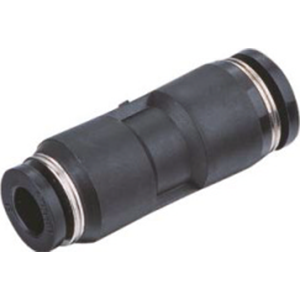
PUG Straight Union Without Fixing Hole
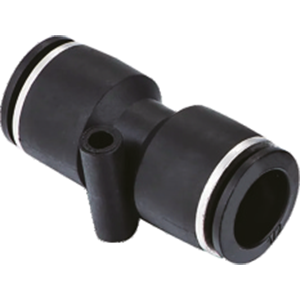
PUC Straight Union With Fixing Hole
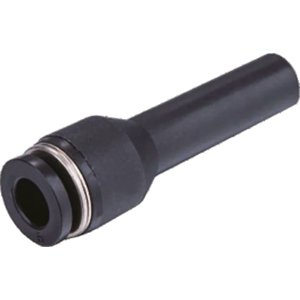
PGJ Straight Union To Fitting
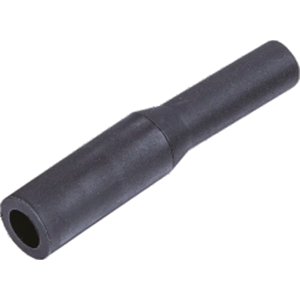
PIG Straight Union Fitting To Fitting
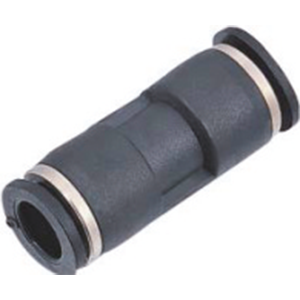
PU-M Compact Straight Union
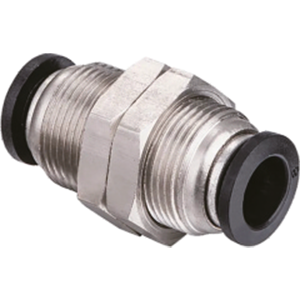
PM Manifold Fixing Fitting
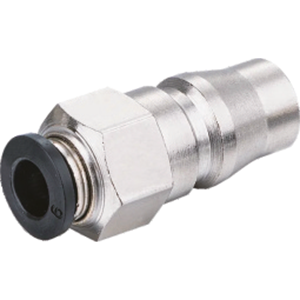
PC-P Coupling-Hose Union
Union Elbow Fitting
Union elbow fittings connect two hoses and has a 90-degree or 135-degree bend to it. Each port has a push-in type connection mechanism or a plug!
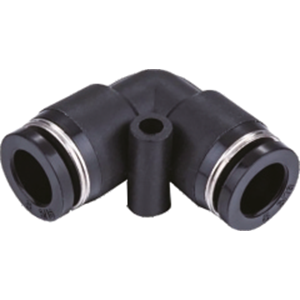
PUL Elbow Union Tube Fitting
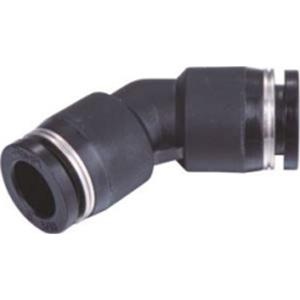
PUL 135 Elbow Union Tube Fitting
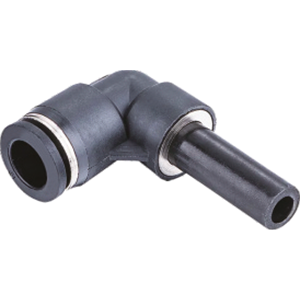
PUJ Elbow Union Tube Fitting
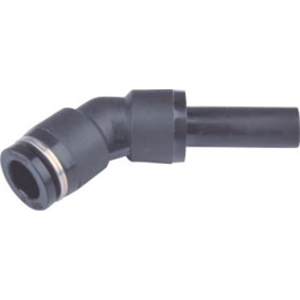
PUJ-135 Elbow Union Tube Fitting
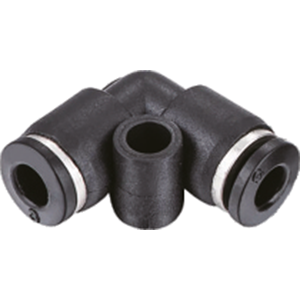
PV-M Compact Elbow Union
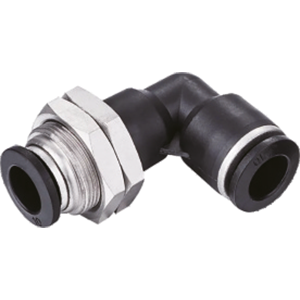
PLM Elbow fitting male thread
Three connections
Three connection fittings have two push-in type ports and one threaded or a push-in type port or a plug. The fitting can have either two inlets and one outlet to increase pressure, or one inlet and two outlets to decrease pressure and make two air flows.
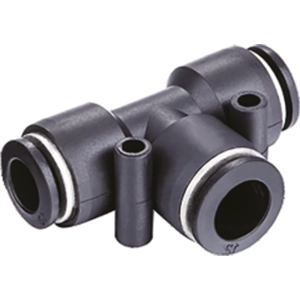
PUT Union
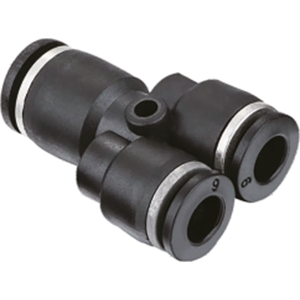
PY Union
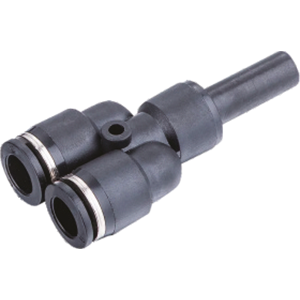
PYJ Union
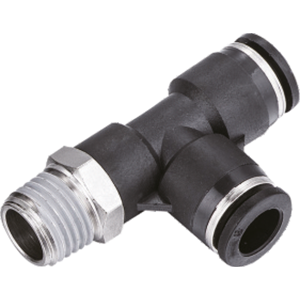
PD Union
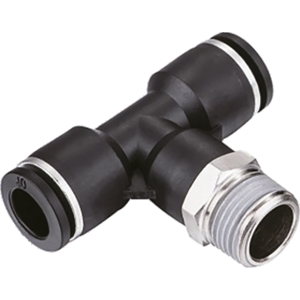
PB Union
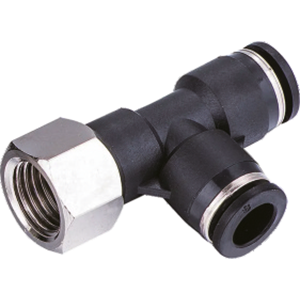
PDF Union
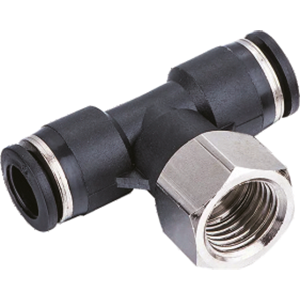
PBF T union
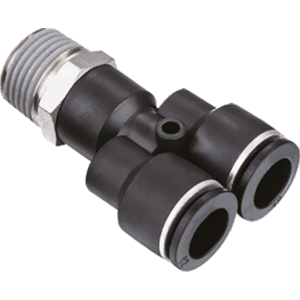
PWT Y Union
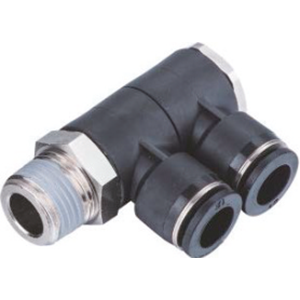
PHW Thread-hose Union
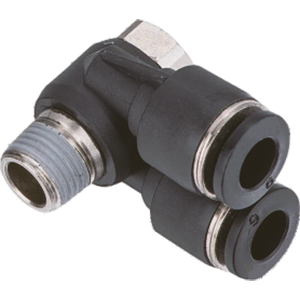
PA Thread-Hose union
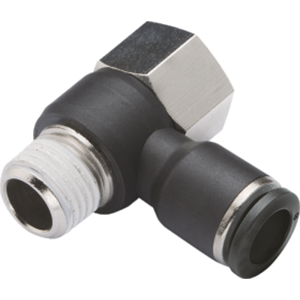
PHF Thread hose union
Four to Seven Connection Points
Push-in fittings are also capable of having more connection points, but typically no more than 7. A few examples of fittings with more connections are double “Y, triple “T, or cross fittings. These fittings are for special applications, but can help reduce overall fittings to feed 1 input line and to multiple outputs.
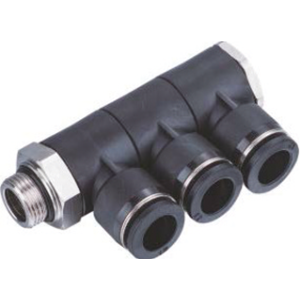
PHT Four port union
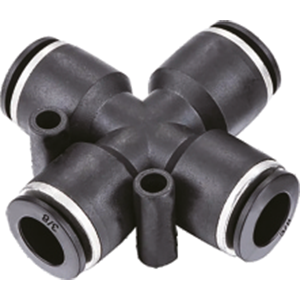
PZA Four port union
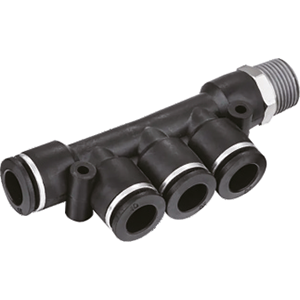
PKD Five port union
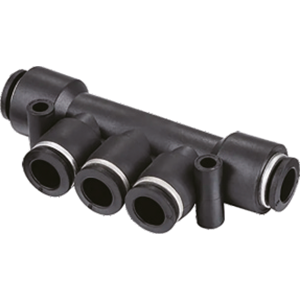
PK Five port union
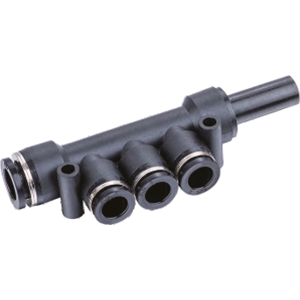
PKJ Five Port Union
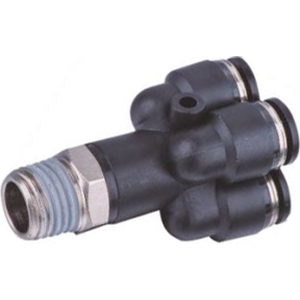
PRX Five port union
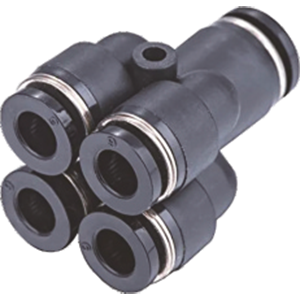
PRG Five port union
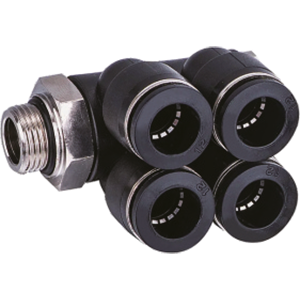
PAW Five Port Union
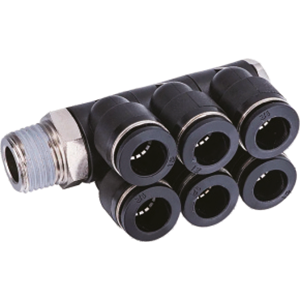
PAT Seven port union
Stop Fittings
The stop one touch fitting has the almost same shape with the normal push-in fittings. The difference is the inner cut off valve. That means the air get into the air line in one direction, but no air get through if there is no PU hose push in. When you push the hose in, the air will get through the fitting into the air line. That will make convenient for the workers to change working place with thier carry-on air tools.
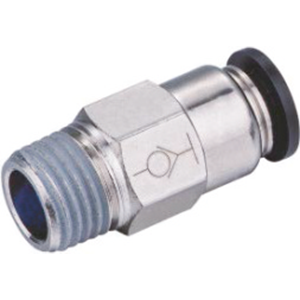
SPC Straight Stop Fitting
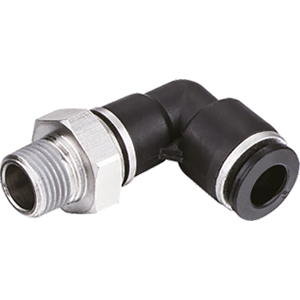
SPL Elbow Stop Fitting
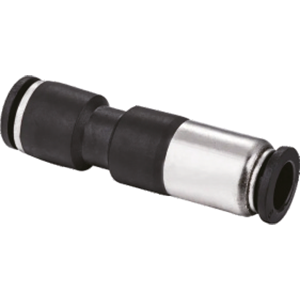
SPU Union Stop Fitting
Check Valve Push-in Fittings
The Check vakve push-in fitting has the almost same shape with the normal push-in fittings. The difference is the inner check valve. That means the air could get into the air line only in one direction. Once there are pressure changes, for exsample, if there is compressed air come in from the output side, the check valve will shut off the lane.
The defference between tha stop push-in fitting and the check valve push-in fitting:
The stop fitting: once they are connected with the hose, the air could circulate in both direction. But will shut off the air when the hose is draw out!
The check vakve fitting: the air could only circulate from one direction! But it will not stop the air flow when you draw out the hose.
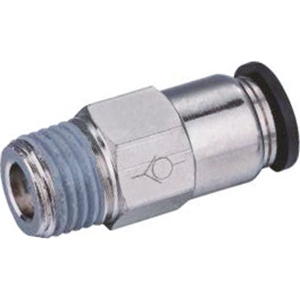
CPVC Check valve push-in tube fitting
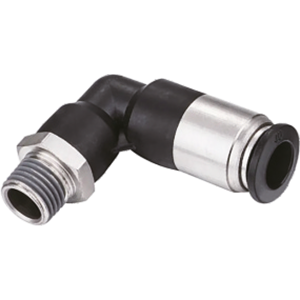
CVPL Check valve push-in tube fitting
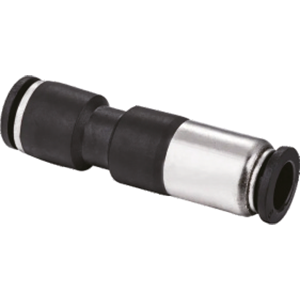
CVPU Check valve push-in tube fitting
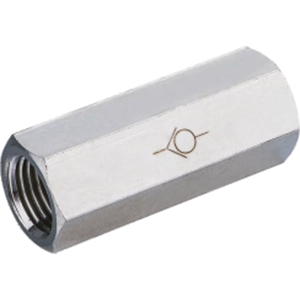
CVPFF Check valve fitting
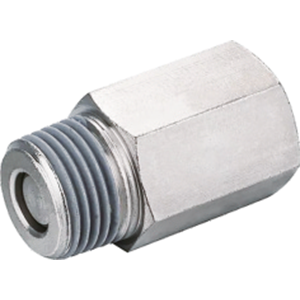
CVPSF Check valve fitting
High Speed Rotary Push-in Fitting
Rotary one-touch fitting comes with double ball race bearing for high speed applications. The max rotary speed is up to 500 r.p.m. And comes in 5 tube sizes ranging from 4 to 12mm. One-touch collet includes anti-tube rotation mechanism. They are suitable for pressure or vacuum applications.
Applicable to use for oscillating and rotating sections in robots.
Low torque rotation, but not intended for use in potable water systems.
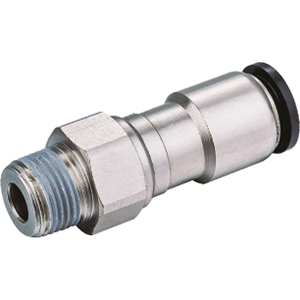
RC High Speed Rotary Push-in Fitting
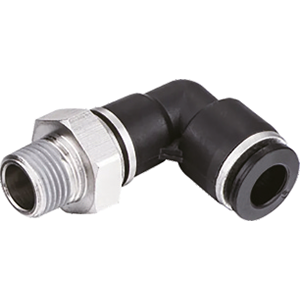
RL High Speed Rotary Push-in Fitting
Air Speed Controller
Speed controllers (also referred to as flow controls) are small valves used to reduce the flow rate from a pneumatic actuator. Speed controllers decrease the operational speed of a pneumatic actuator in one direction – opposed to a needle valve that controls air flow in two directions (in and out of the actuator).
The benefit of a speed controller is that it enables the cylinder to have a controlled movement in one direction, but full flow and speed in the opposite direction.
There are two types of speed controls that are used in pneumatic system:
Outlet Control Valve – This type of valve controls the exhaust air that is released from the actuator. The valves are commonly used for double acting cylinders and are
advantageous to control the speed of the actuator due to the natural compressibility of air
Inlet Control Valve – This type of valve control is used to restrict the flow to the actuator itself. The valves are commonly used to control the speed of a cylinder that has only one pressure supply. For example, if an actuator uses a spring to extend or retract the actuator automatically. These valves are also referred to as reverse flow control valves.
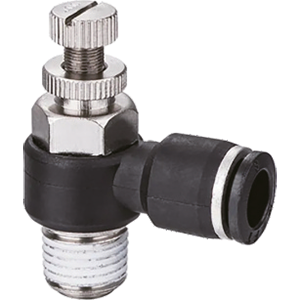
SC Speed Controller Push-in Tube Fitting
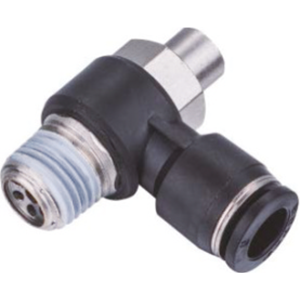
SCDC Speed Controller Push-in Tube Fitting
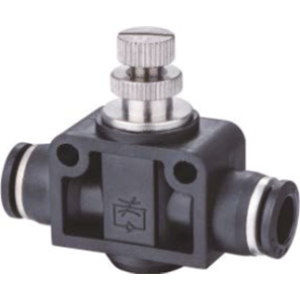
SCF Speed Controller Push-in Tube Fitting
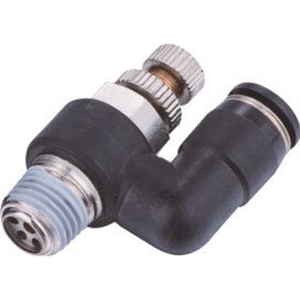
SS-R Speed Controller Push-in Tube Fitting
Rotary Knob Manual Control Valve Fittings
Pneumatic manual control valves have a number of different applications within an air flow system. They can be used for directional control, allowing for air to flow through a tube in one direction and not another, ensuring the smooth operation of the pneumatic system. Also used for pressure relief, manual control valves allow the maintenance of pressure within the system, diverting or releasing air to allow excess issue to dissipate to somewhere outside of the system. They can also be used more broadly for flow control, adjusting the amount of air let through the system.
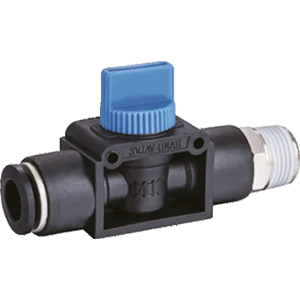
HV Manual Control Valve Fittings
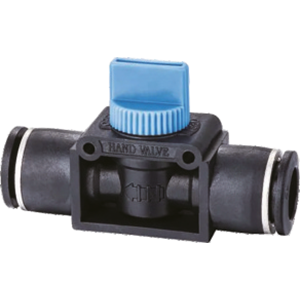
HVFF Manual Control Valve Fittings
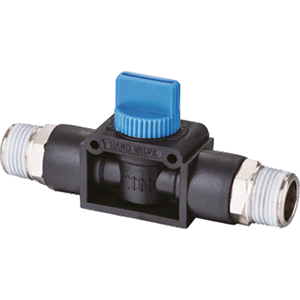
HVSS Manual Control Valve Fittings
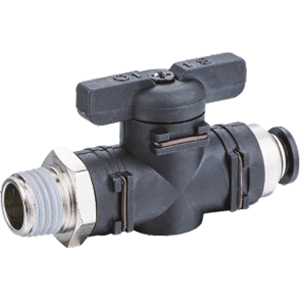
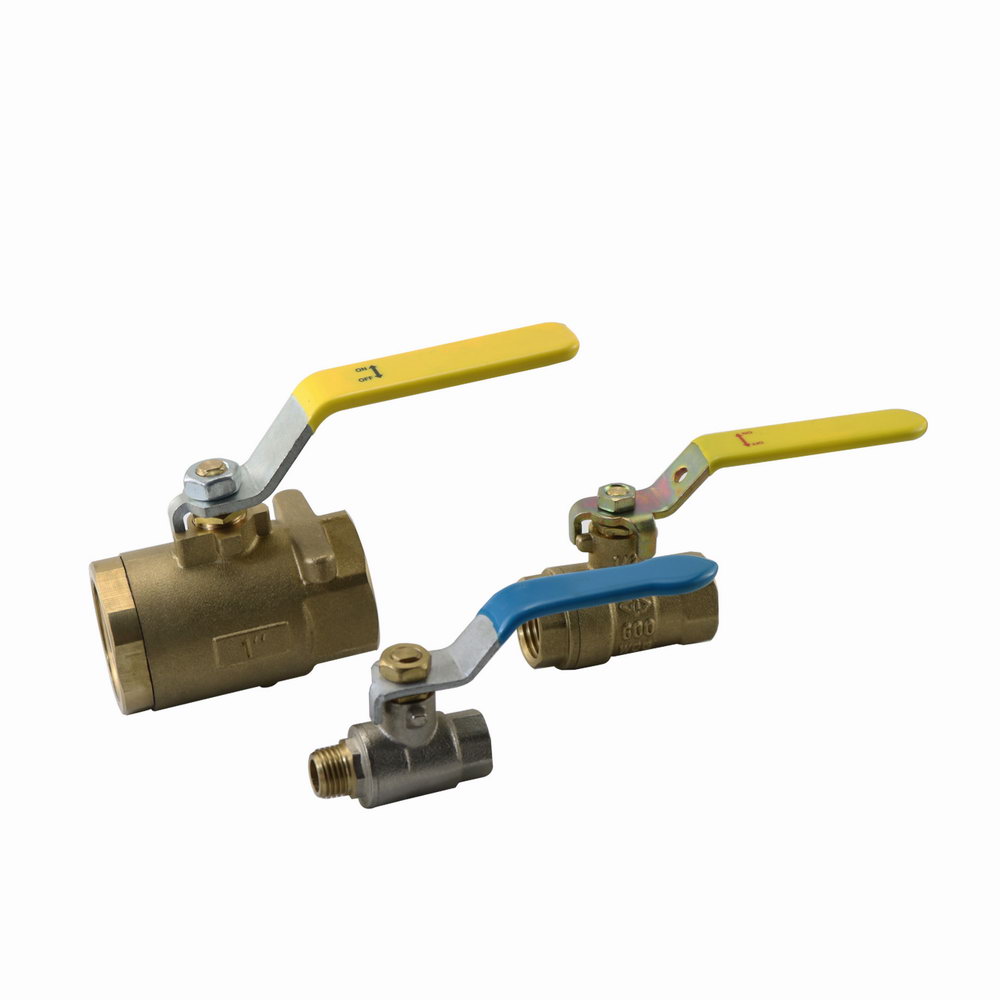
BVC Ball Valve With One Touch Fitting
Ball Valve With One Touch Fitting Mechanism
A one touch fitting ball valve is a type of quarter-turn valve with a hollow ball to control flow through it. A 90-degree turn of the valve will position the ball’s hole in line with the flow direction, and the reverse will completely shut-off the valve in the closed position. A stem is attached at the top of the ball which extends outwards through the stem’s seal to connect to a manual handle or a pneumatic/electric actuator. Ball valves are often used for ON/OFF operation but can also operate as a flow regulating valve.
So the hose could push into the ball valve directly, compared with the normal ball valve, it save the installing time, two pcs one touch straight fittings, so that save money and time.
BVC Ball Valve With One Touch Fitting
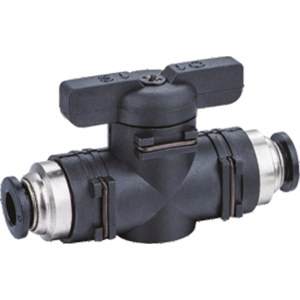
BVU Ball Valve With One Touch Fitting
Pilot Operated Check Valve Push-in Tube Fittings
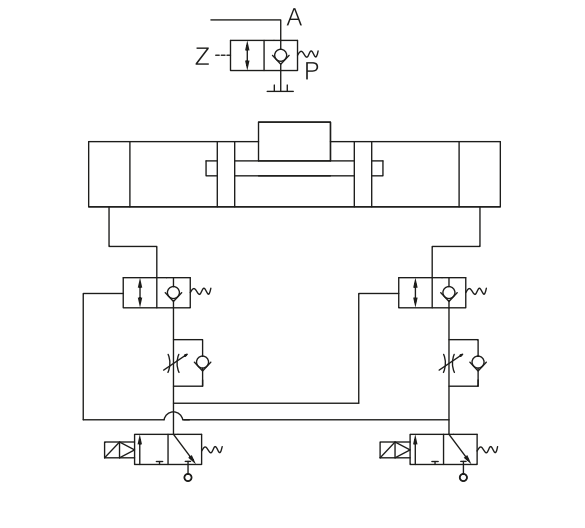
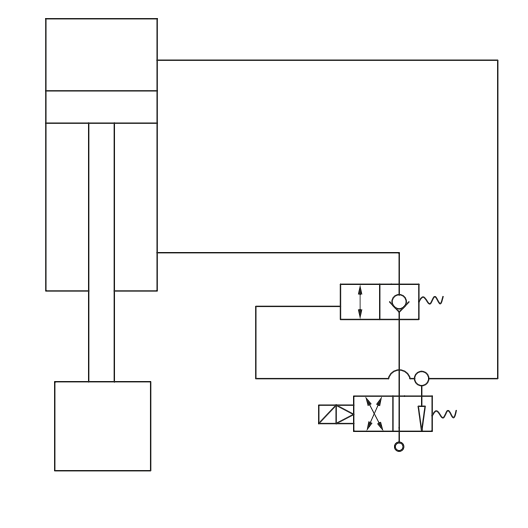
It’s check valve with the pilot operated mechanism. There are three main functiones:
1. prevent the cylinder run by it’s self when the air is cut off.
2. To make the cylinder stop accurately when the valve is shut off.
3. Used in the special system desgin to control the cylinder, and make the cylinder kept in the same positon for long time.
Precise Postioning
Pressure Retention
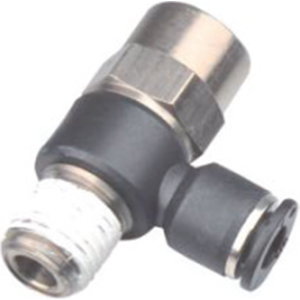
QKF Pilot Operated Check Valve
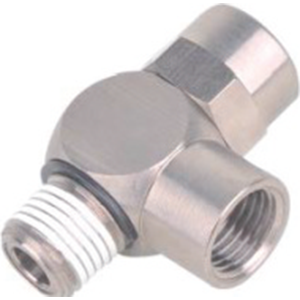
QKFT Pilot Operated Check Valve
How Do You Select a Push-In fitting?
As with all system designs, piping and fittings should be selected to allow the necessary flow without undue pressure drop; all necessary fitting shapes should be available from the range for a particular application. Other important considerations are:
working pressure
Most fittings have a maximum operating pressure of 1.0MPa, but the pressure should be kept below this level to ensure safe operation.
working temperature – increasing temperature will reduce the operating pressure of nylon and polyurethane tubing. So the brass one touch fittings and tube should be considered.
working environment – both possible contaminants and ease of access for construction and maintenance.For example, used in the corrosive situation, the stainless steel tube fittings with FKM o-rings should be adopted.
construction and maintenance – any approvals required for the application, for example, use in the Food Industry.