
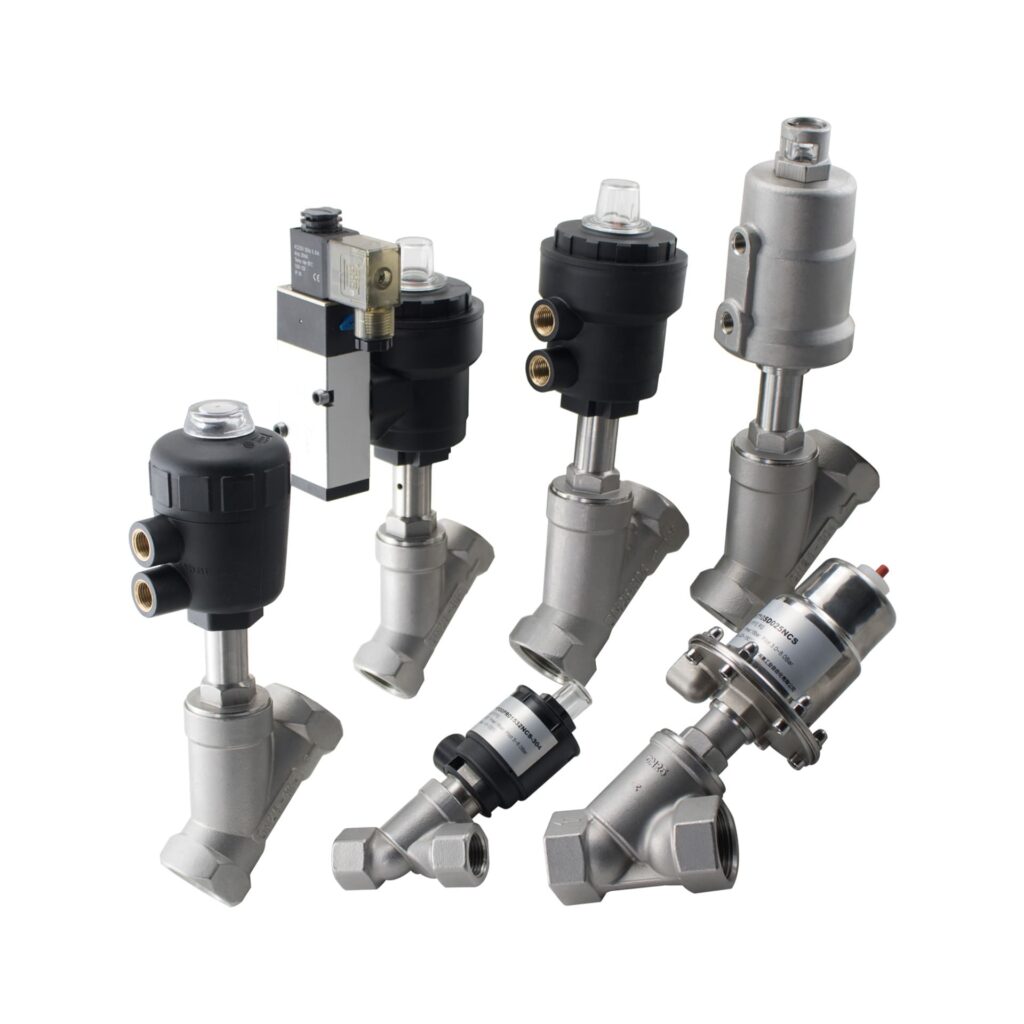
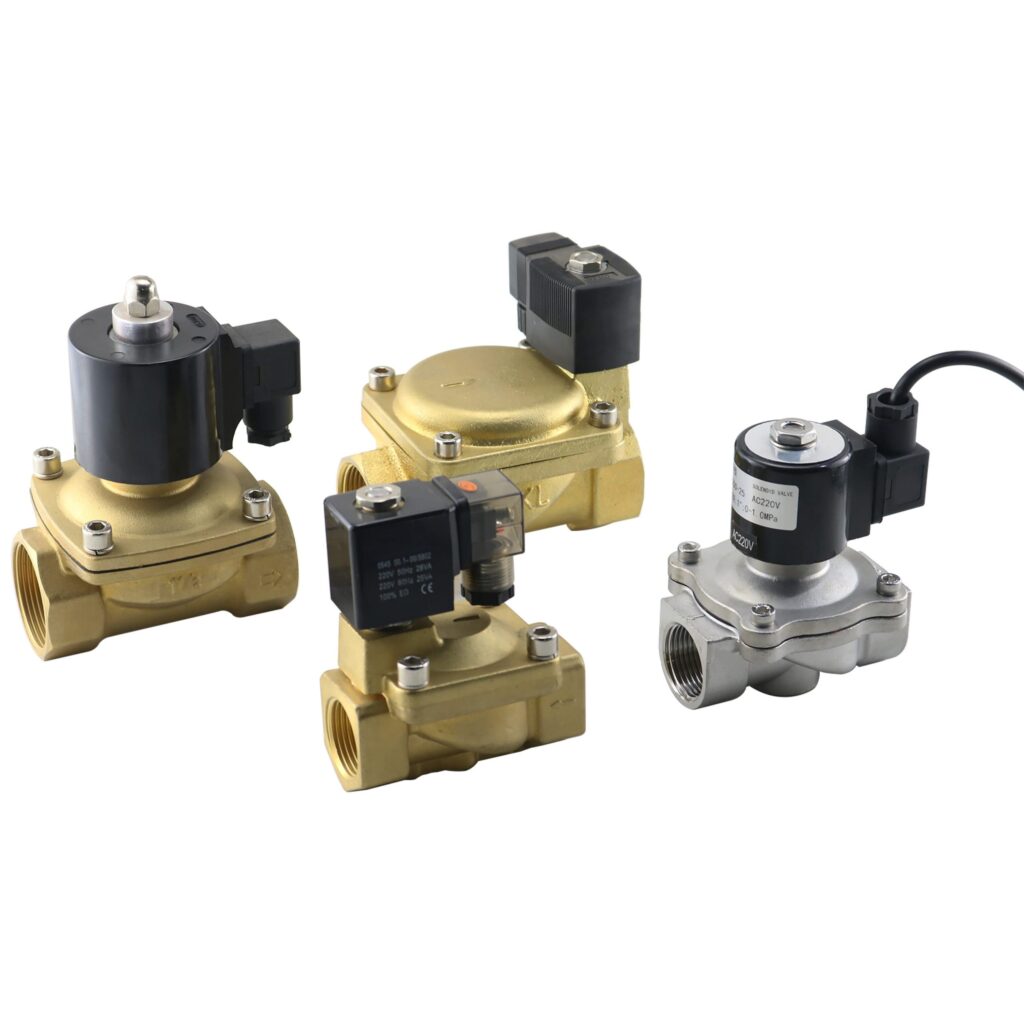
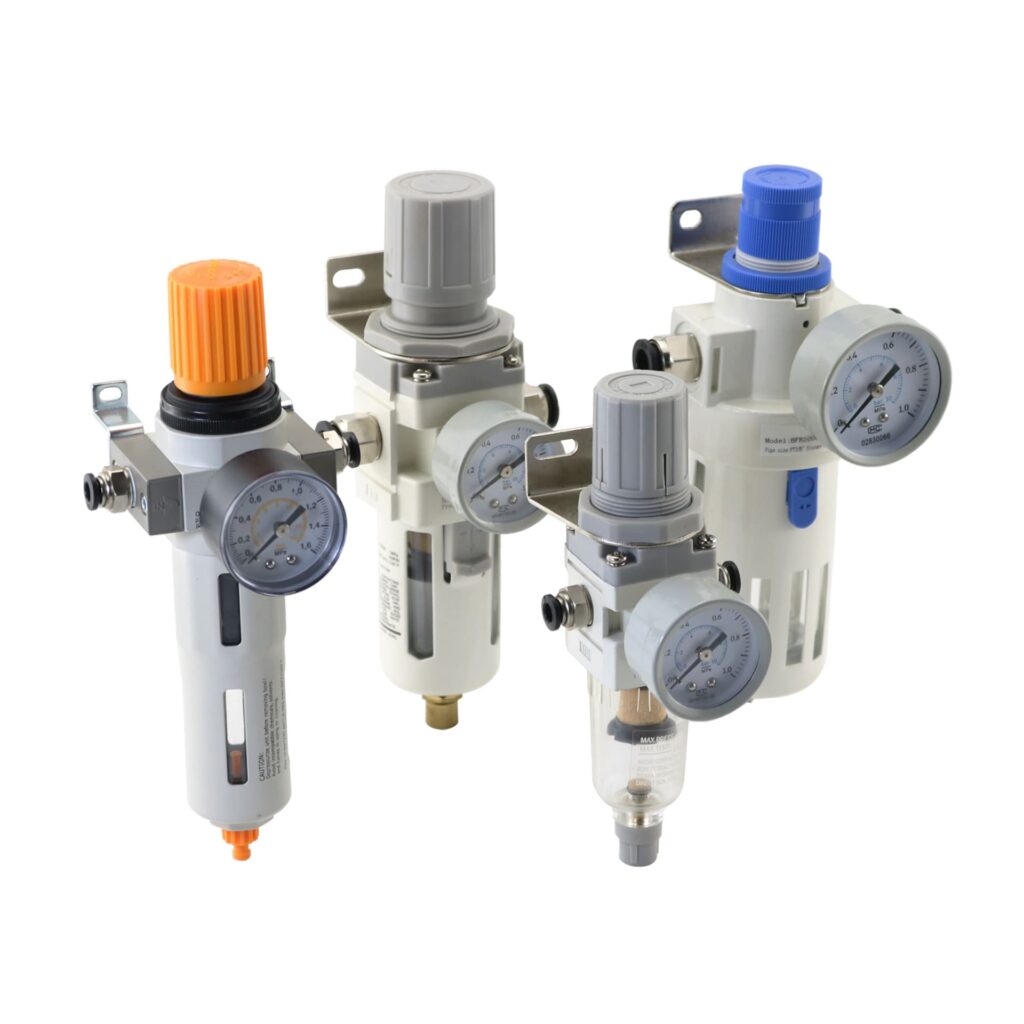
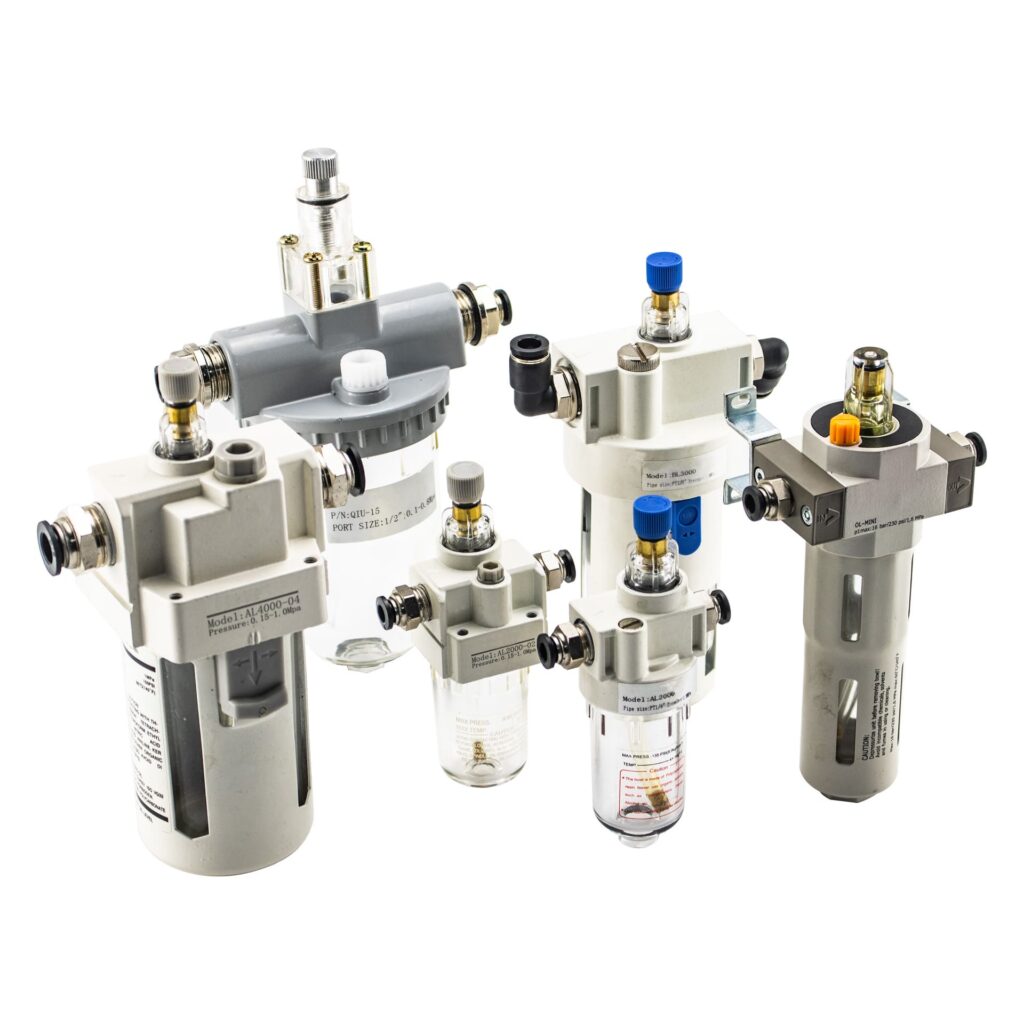
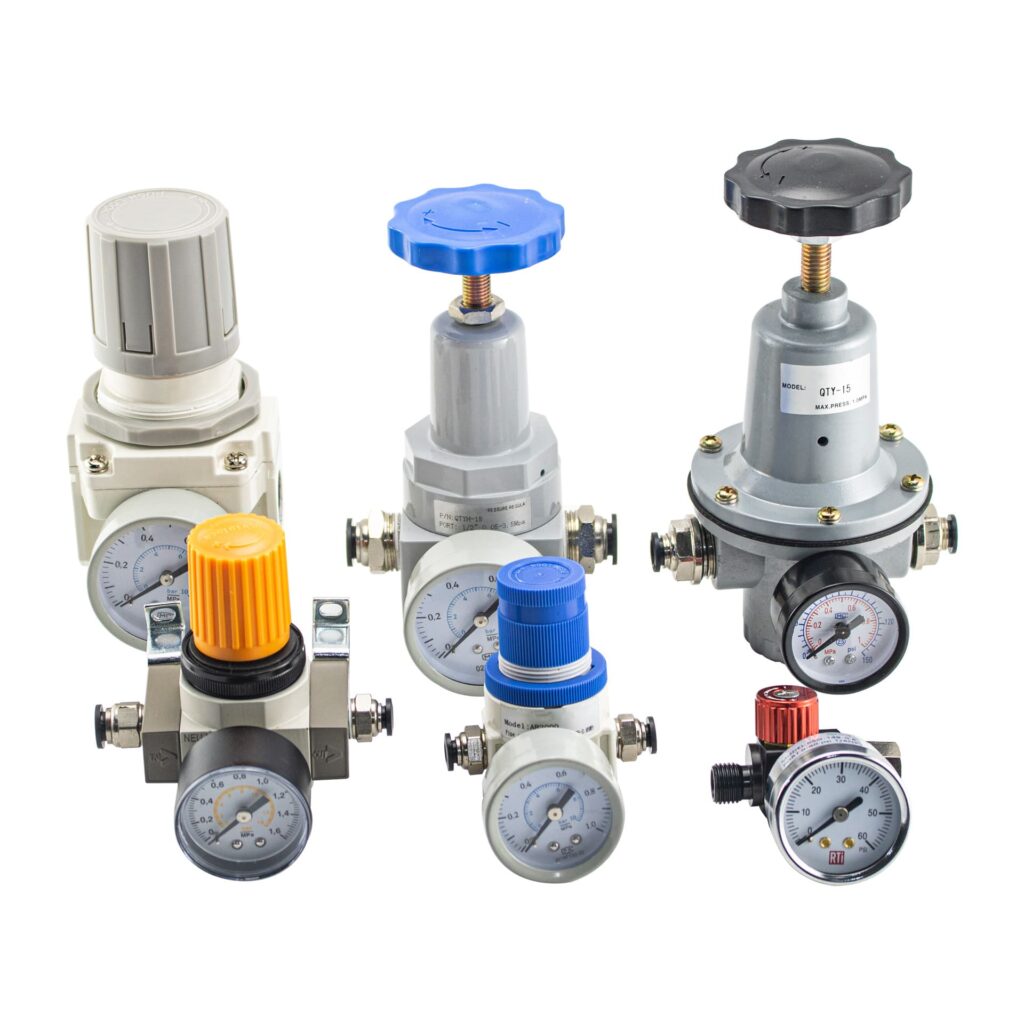
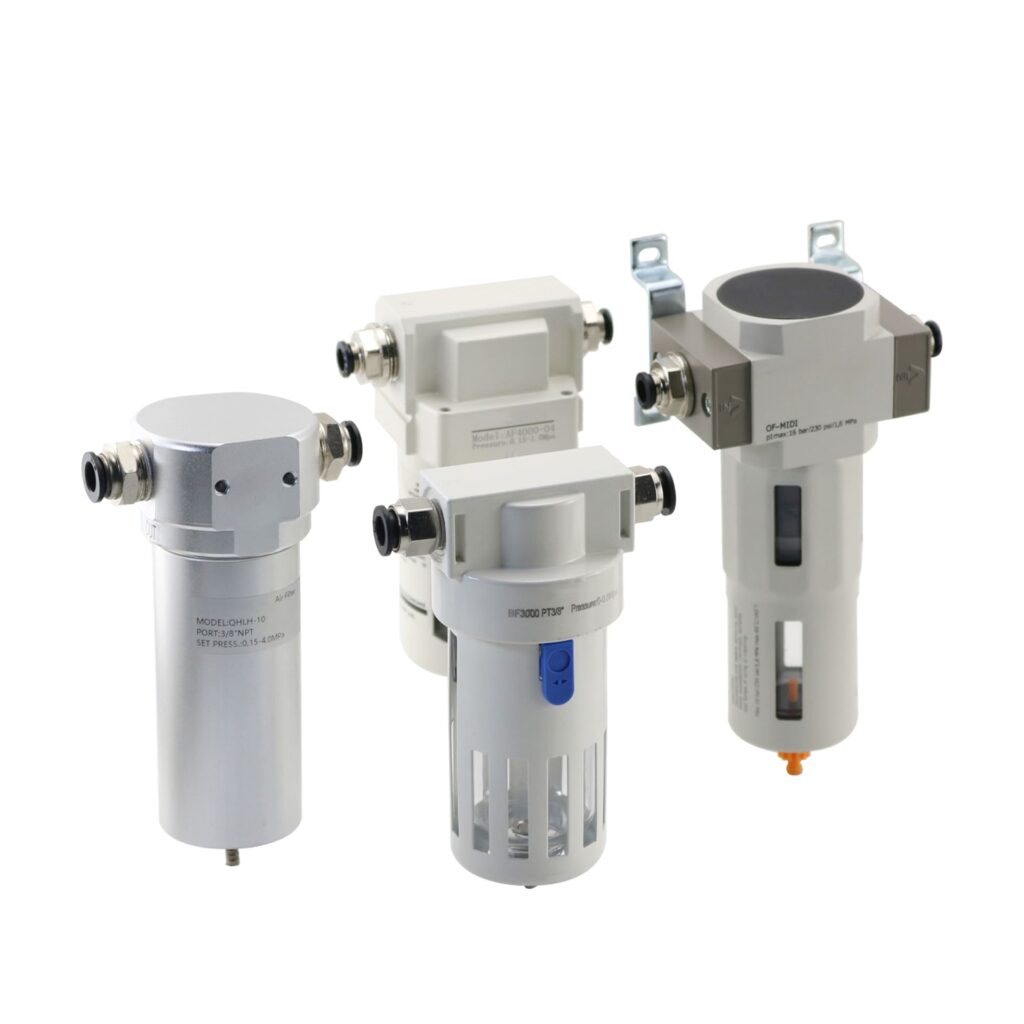
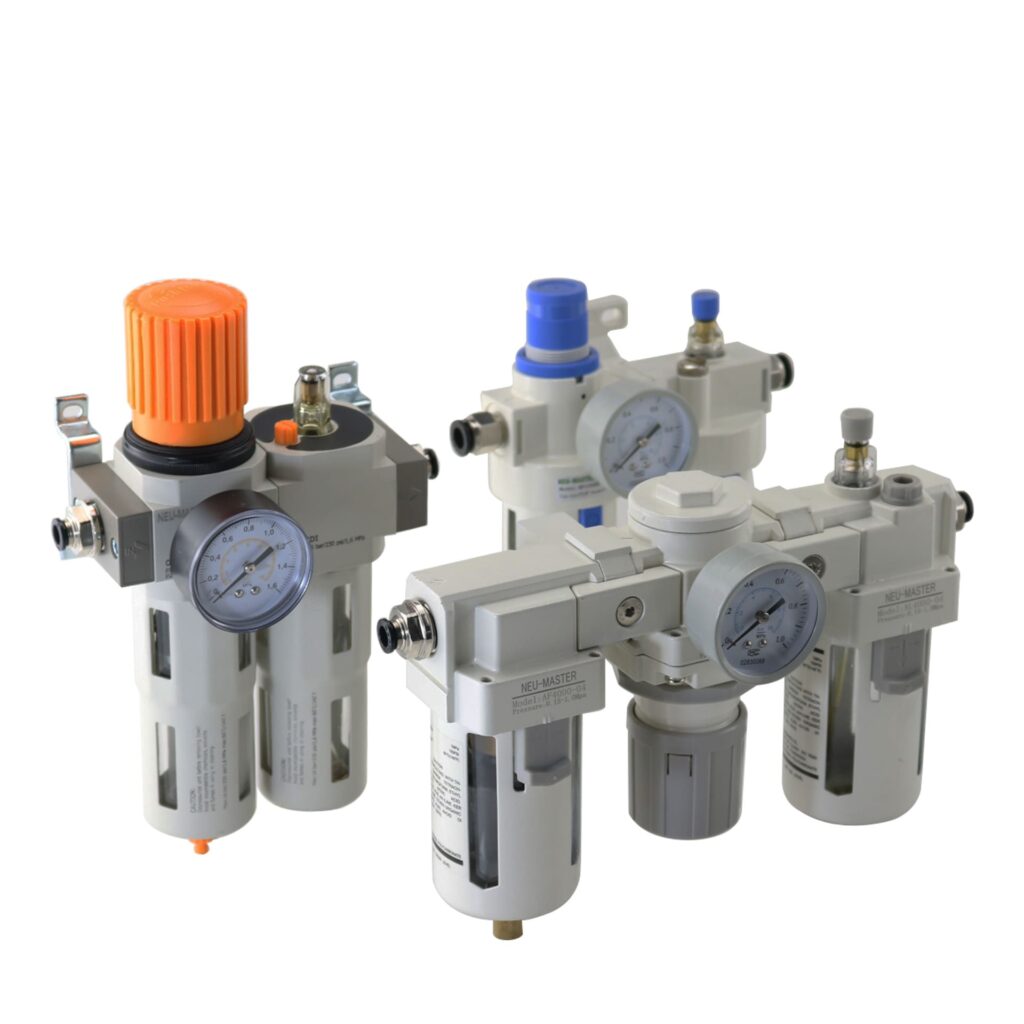
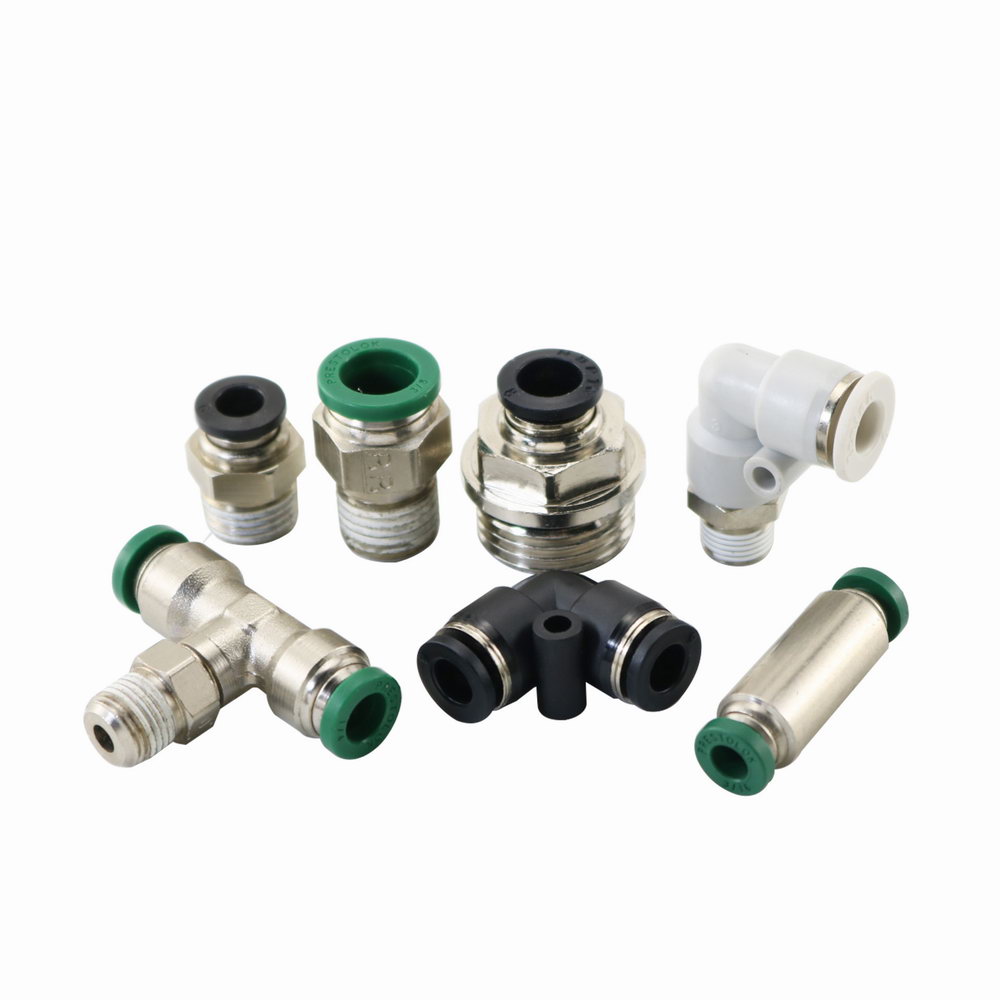
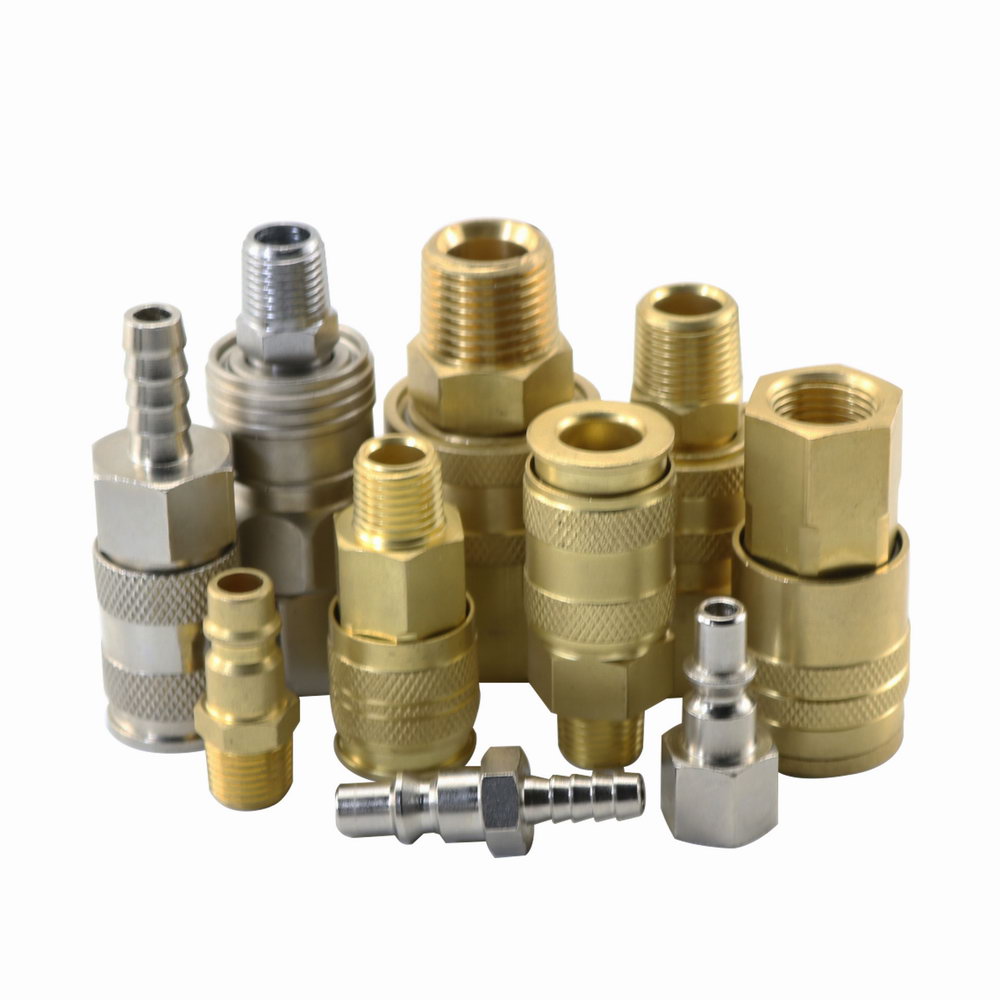
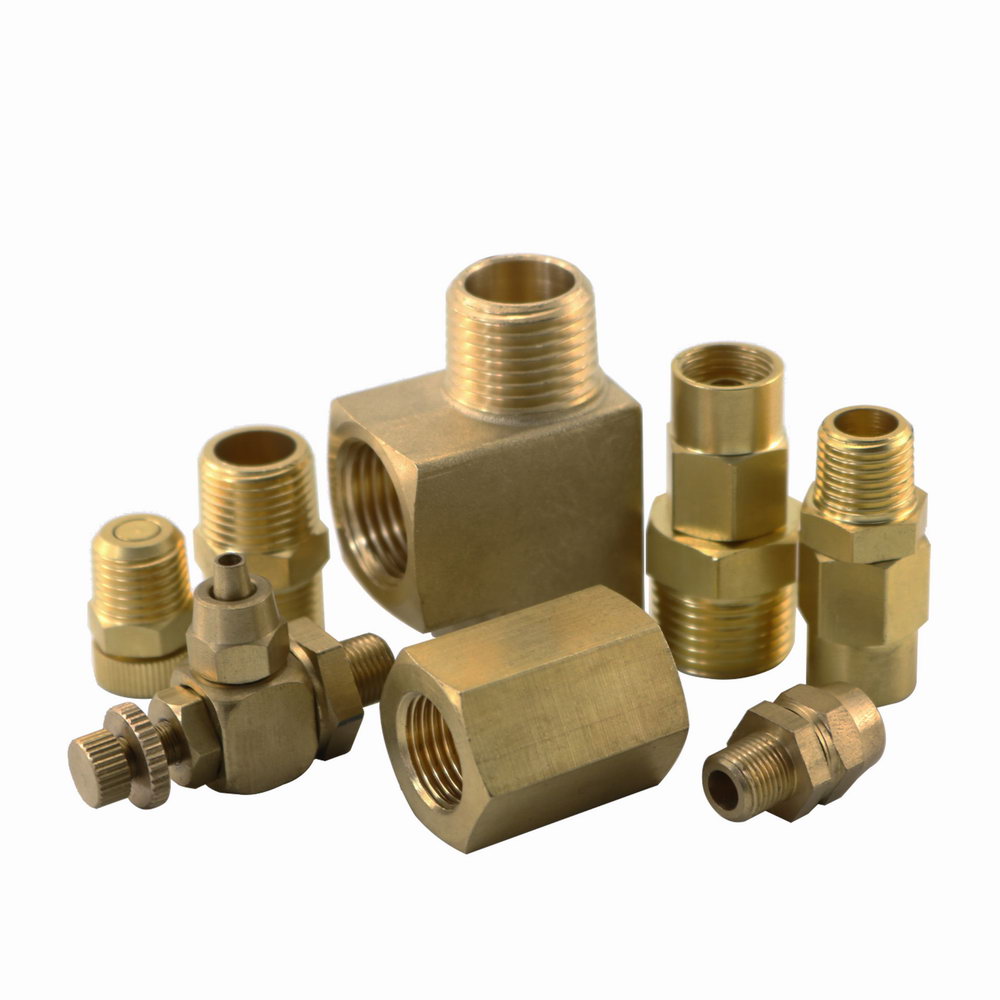
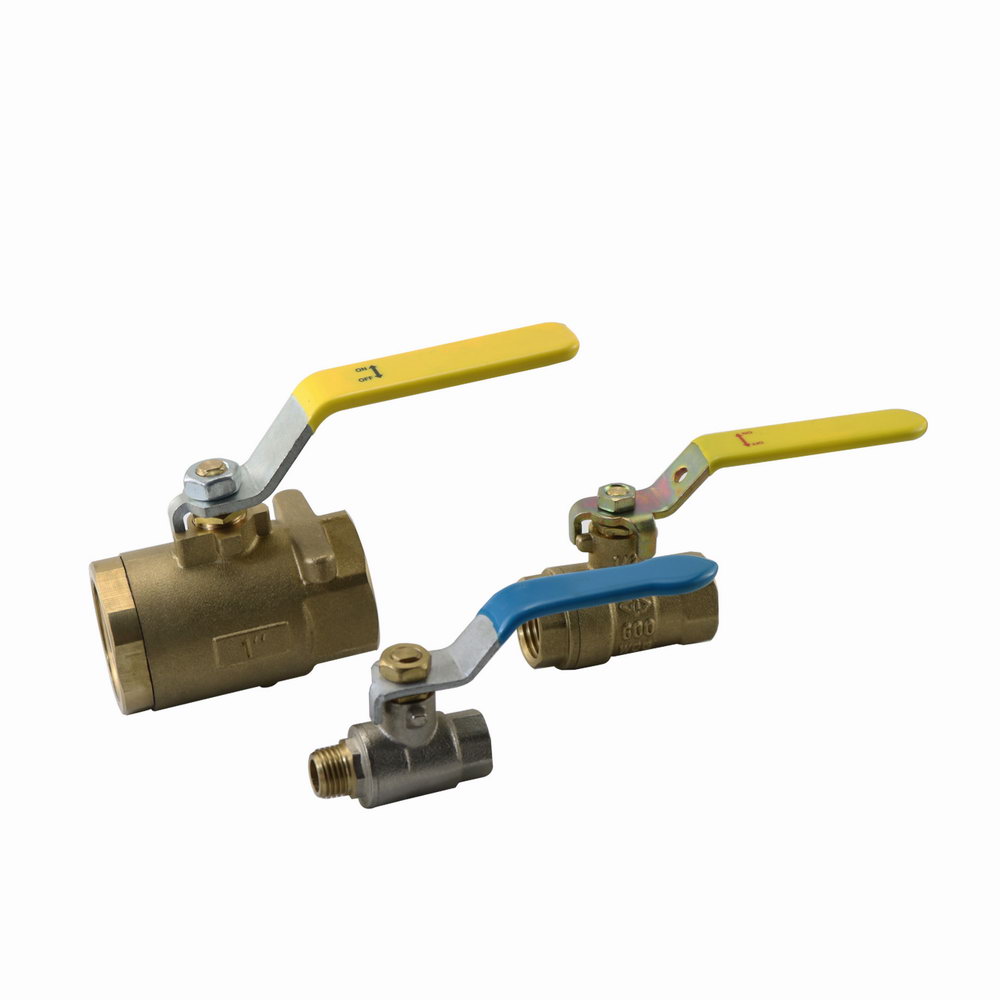
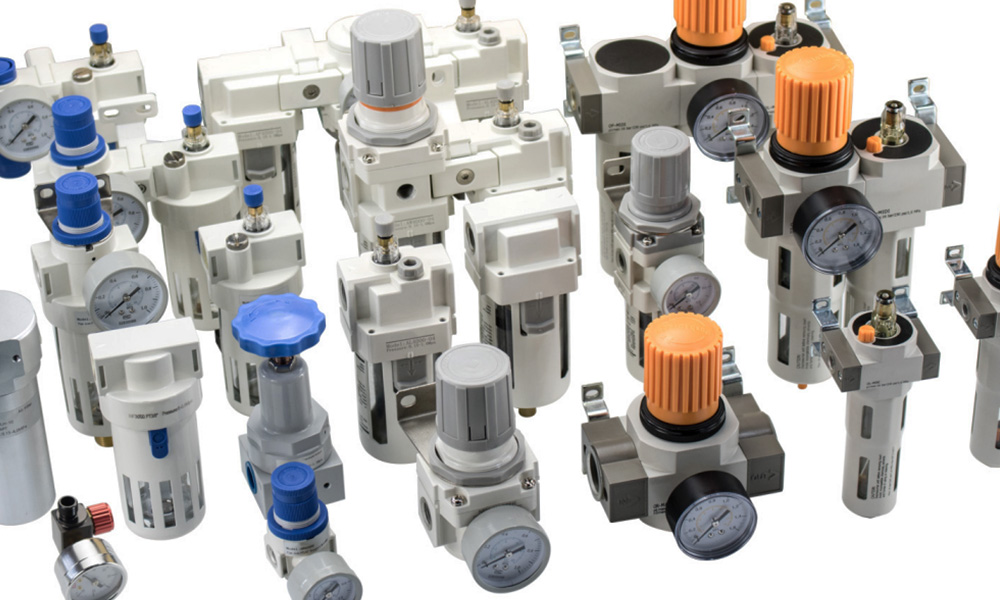
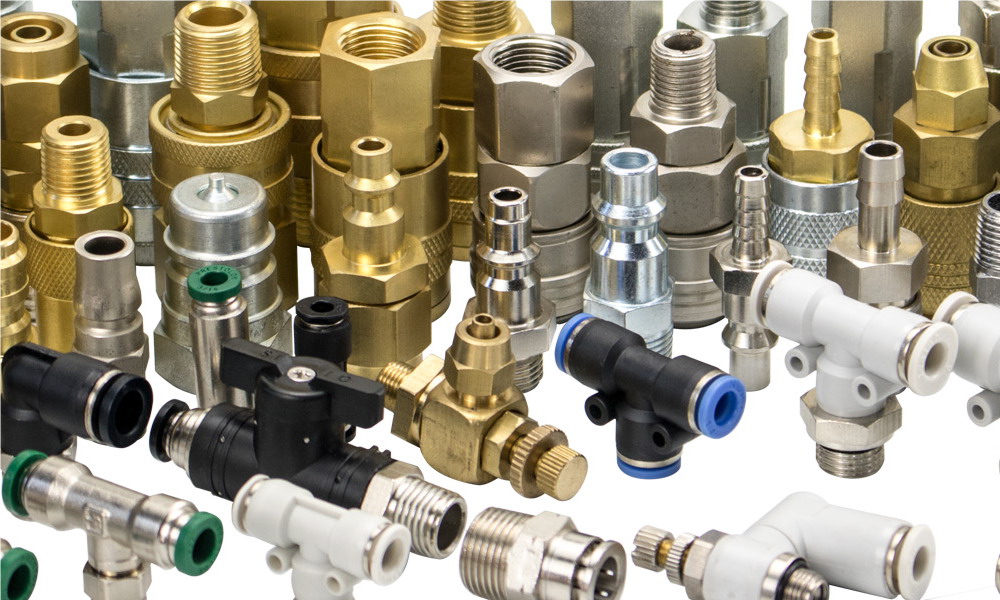
Quick Connect couplings are also known as quick connect couplers, quick coupler, quick connector, quick disconnect coupling, referred to by numerous names.
We will use all of these names interchangeably in the article. These are general purpose couplings that can connect at either end of the pipe line.
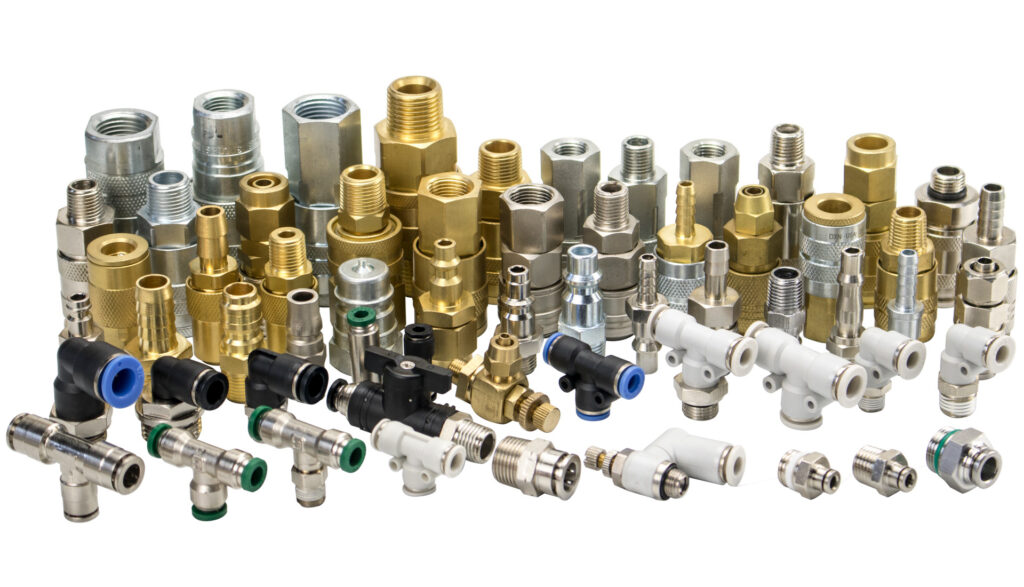
Quick Connect Coupling are couplings and plugs used to mate fluid lines with equipment that requires repeated connections and disconnections.
Their design is simple: a male or female end plug—which we inserte into a female or male threaded coupling—to make a secure, leak-tight seal. Sometimes we call it as push-to-connect because connecting them requires only a quick push.
They are highly reliable as they provide unswerving service for the transfer of fluid for pneumatic, hydraulic and vacuum systems.
There are lots kind of quick connect couplings made by different company in the market. And we made it according to different standard, for different medium, and with different material. So it is a litte difficult to do the classification accord to one reference.
But normally, we could unserstand what’s the medium in the pipe, so we classify the quick connect coupling to it. Therefore, there are four types quick connect coupling, they are:
Hydraulic quick couplings: a type of connector designed to easily and quickly join and disconnect hydraulic systems, allowing for the transfer of fluids under pressure.
These couplings allow fluid to flow when the male and female sides are locked together. Conversely, when disconnected, the quick couplings prevent fluid leakage using check valves to block exiting fluid.
There are no shut off mechanism on both of the socket and the plug.
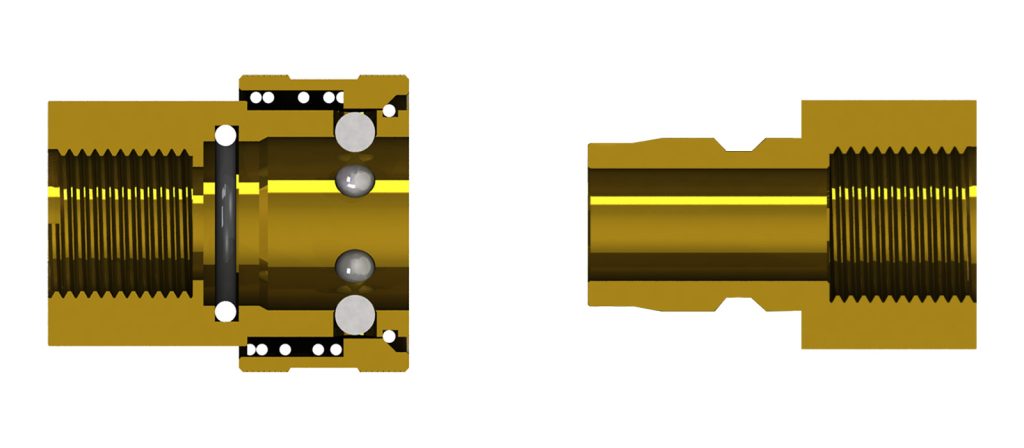
No floating vlave
There is no a floating valve to close automatically when the couplings are disconnected and hence the medium spill from the system. But this kind of couplings are widely used in the irrigation system, fire fight system etc.
Minimize the flow rate Loss:
Open-type couplings can minimize flow rate loss, but they do not provide the same level of leak-tightness when disconnected as closed systems.
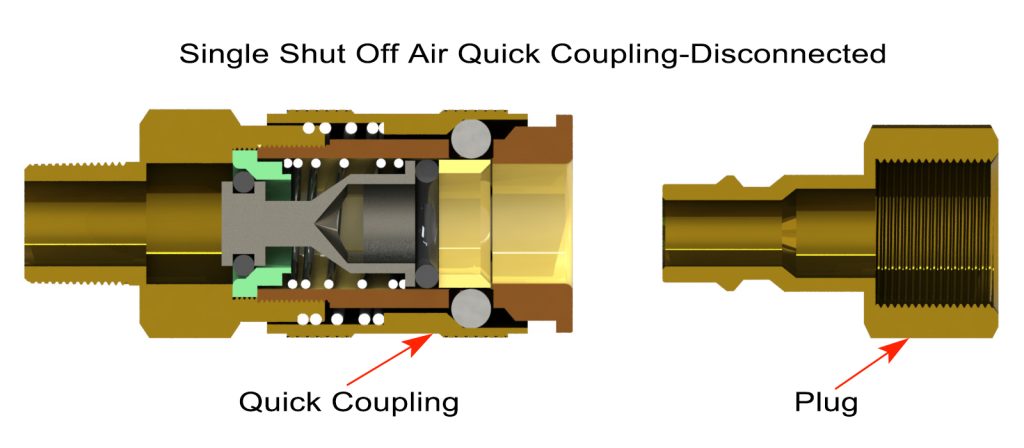
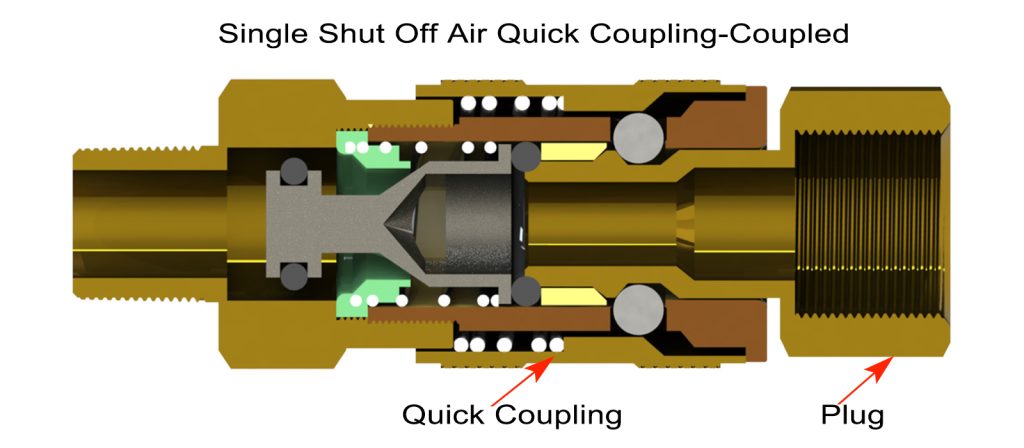
As the name suggests, these couplings shut off only one side of the coupling set, mainly the socket side and hence prevent the leakage of the fluid.
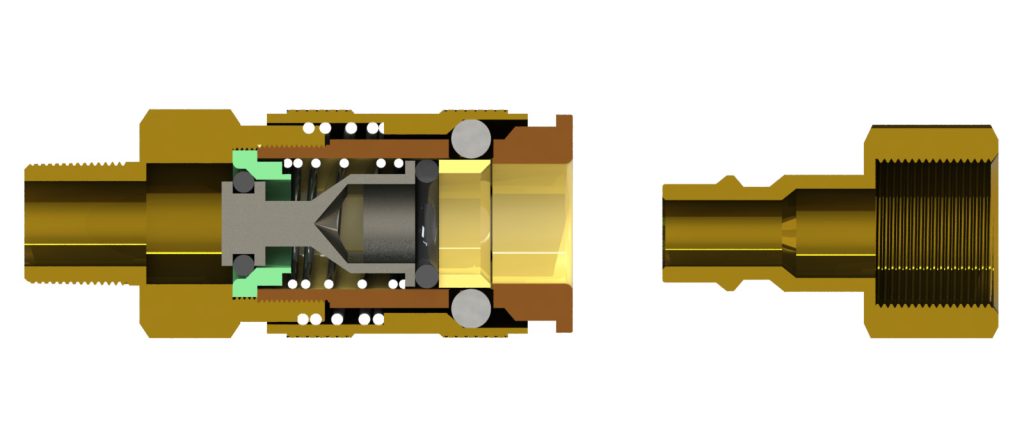
These are low-pressure couplings used mainly for fuel oil, water or gas with a maximum pressure of 20 bars. This is an advantage when filling or releasing pressure from a chamber or portable device and then disconnecting the fill line.
Because of possible injury from energized fluid or exposure to the fluid, users are cautioned to wear eye protection during these procedures with single shut-off connectors.
This type of couplings shut off both (instantaneously)the socket and the plug upon disconnection.
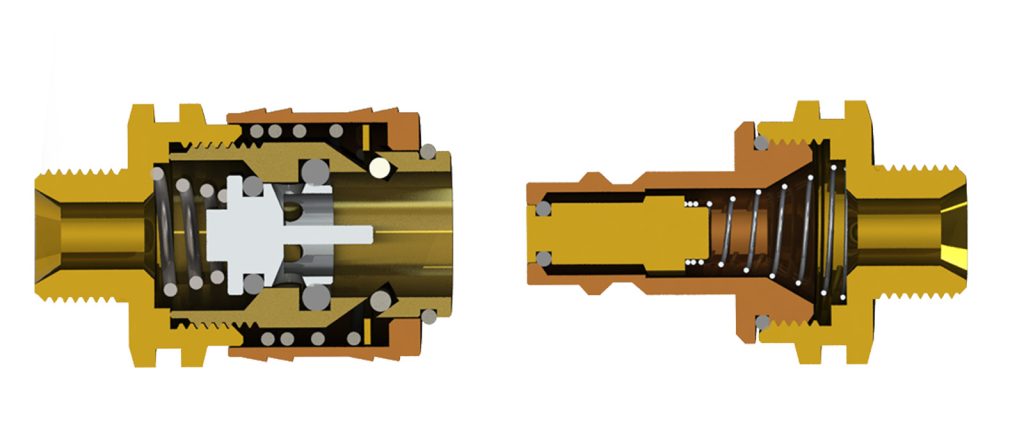
They can be of brass, stainless steel or steel with different pressure ranges, sizes and applications of fluid. Due to the shut-off valves in their both ends, so they retain pressure in both fluid lines when an assembly is connected or disconnected. They are ideal for minimizing leaks when handling expensive or hazardous fluids.
Double-end shut off couplers are used in standard pressure applications according to the coupling design.
Lower Pressure type 0 – 20 bar: Pneumatic couplings and Garden hose couplings.
Medium working pressure type -250 bar
They are widely used in the hydraulic and water systems. The carbon steel used to make these couplings for higher strength and reliability. Similarly, both the sockets and plugs are closed by an inner valve when they are disconnected.
Highest working pressure type -700bar:They have a ring lock device that provides extra safety against shock and vibration. They have very high reliability against leakage as well.
The pneumatic coupling is used to connect compressed air tools to a compressed air line. A pneumatic coupler allows a tool to be easily connected or disconnected to a hose or pipe while it is under pressure. The system consists of two parts: the quick coupling (the female part) and the plug-in or nipple (the male part). The coupling closes the line automatically as soon as it is disconnected from a component ensuring the system stays pressurized.

A type of pneumatic couplin designe specifically for Industrial Life Sciences, Medical technology. As lots of the on the oxygen system for the patient adopt this kind of couplings.
Flow capacity: 165L/Min
Nominal flow dia: 2.7mm
Material: Socket: Nickel-plated brass, Plug: Nickel-plated brass
Temperature range (NBR): -20℃ to +100℃
Max. working pressure: 35 Bar.
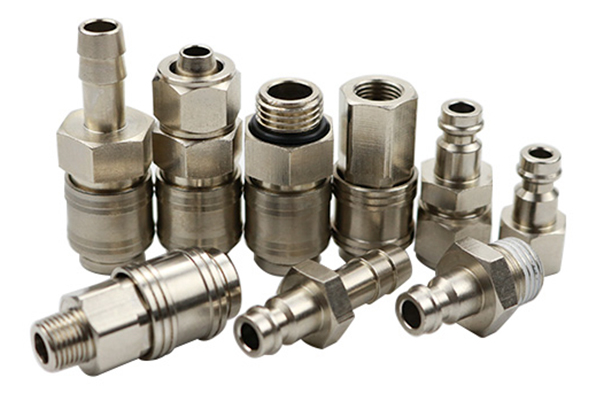
It is a type of pneumatic coupling we designe specifically for breathing machine. We may met it a lot in the hosipital.
Flow capacity: 530L/Min
Nominal flow dia: 5mm
Material: Socket: Nickel-plated brass Plug: Nickel-plated brass
Temperature range(NBR): -20℃ to+100℃
Max.working pressure: 15 Bar
Double shut-off structure are optional
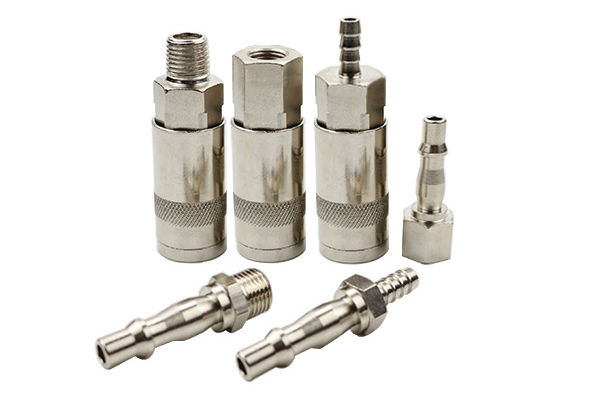
Features a double action mechanism, this means the user will need to pull the sleeve back to insert the adaptor then push the sleeve to lock the adaptor in place and vice versa. Most of the British clients choose this kind of couplings.
Flow capacity: 430L/Min
Nominal flow dia: 4.8mm
Material: Chrome-plated steel
Temperature range (NBR): -20℃ to +80℃
Max. working pressure: 35 Bar
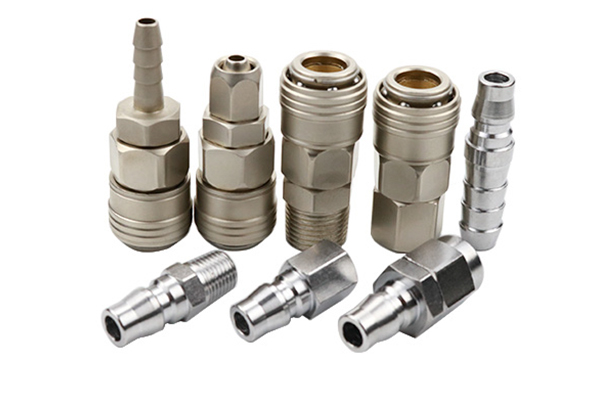
It is Nitto type pneumatic coupling we produce specifically for airline systems. In lots of industries such as construction, manufacturing, automotive.
Flow capacity: 1950L/Min
Nominal flow dia: 7.5mm
Material: Chrome-plated steel, Chrome-plated brass, Stainless steel
Temperature range (NBR): -20℃ to +100℃
Max. working pressure: 35 Bar
Quick coupling system with nominal diameter 5.5 for pneumatic and fluid handling applications up to 35 bar. Coupling system with ARO profile which is most common in Benelux countries, Switzerland as well as in South Africa.
Nominal flow dia: 5.5mm
Material: Socket: Hardened zinc-plated steel; Plug: Hardened zinc-plated steel
Temperature range (NBR): -20℃ to +100℃
Max. working pressure: 35 Bar
Features: One-hand operation, Durable in use, Optional pin-locking
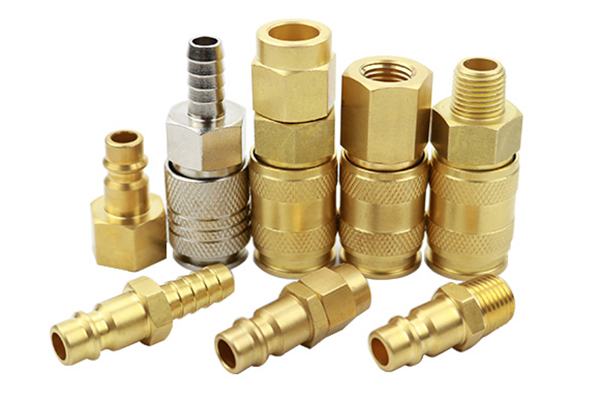
320 coupling is an easy-to-handle high performing coupling with a long service life. Male threads on the couplings and nipples could be pre-applied thread sealant. Features: Valid diameter 7.6mm, European standard
Interchangeability: CEJN 320 Series, Rectus 25KA and 26KA Series
Flow capacity: 2100L/Min
Nominal flow dia: 7.6mm
Material: Socket: Nickel-plated brass/steel, Plug: Hardened zinc-plated steel
Temperature range (NBR): -20℃ to +100℃
Max. working pressure: 35 Bar
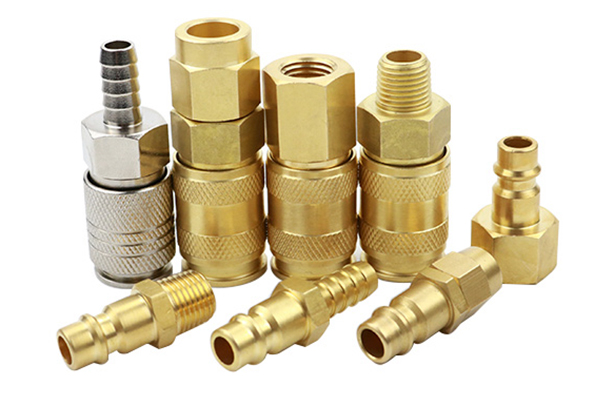
Similar with 320 EURO 7.6 Quick Coupling. But be with large orifice size. These couplings are widely used in industries such as construction, manufacturing, automotive.
Flow capacity: 3900L/Min
Nominal flow dia: 10.5mm
Material: Socket: Nickel-plated brass/steel, Plug: Hardened zinc-plated steel
Temperature range (NBR): -20℃ to +100℃
Max. working pressure: 35 Bar
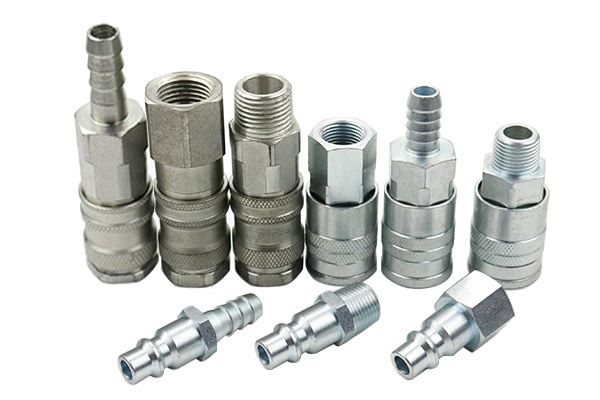
Series 310 offers a wide range of easy-to-grip couplings, including Stream-Line. It is a one hand operated safety coupling that vents before disconnection eliminating the risk of hose whip.
Flow capacity: 925L/Min
Nominal flow dia: 5.5mm
Material: Socket: Nickel-plated brass/steel Plug: Hardened zinc-plated steel
Temperature range(NBR): -20℃to+100℃
Max.working pressure: 15 Bar
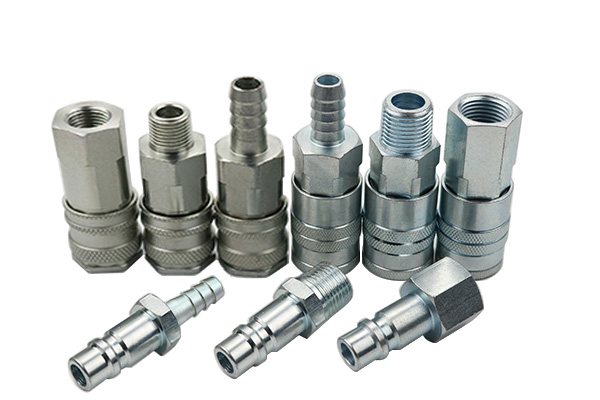
Series 430 offers a wide range of easy-to-grip couplings, including Stream-Line. It is a one hand operated safety coupling that vents before disconnection eliminating the risk of hose whip.
Flow capacity: 2350L/Min
Nominal flow dia: 8.5mm
Material: Socket: Nickel-plated brass/steel, Plug: Hardened zinc-plated steel
Temperature range (NBR): -20℃ to +100℃
Max. working pressure: 35 Bar
Feature:One-hand operated, High-flow capacity, Low connection forced
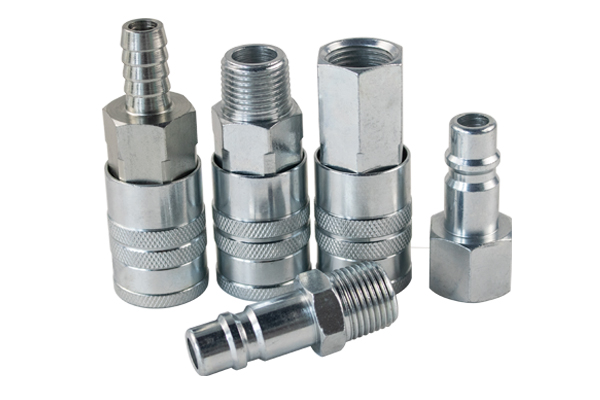
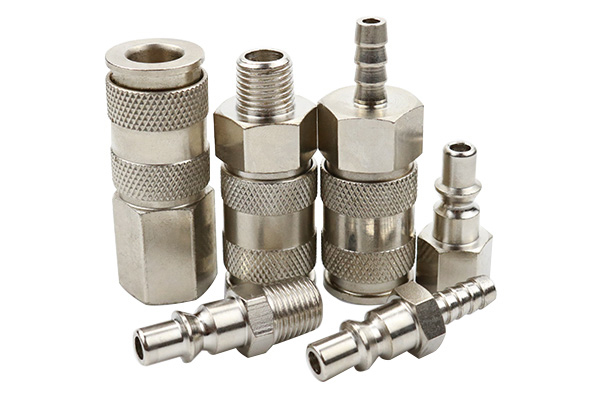
ISO B12 couplings are with single shut off designed for use with compressed air. Available with female and male BSP theads. Also available with hose tail connectors.
Flow capacity: 3750L/Min
Nominal flow dia: 11.5mm
Material: Socket: Nickel-plated brass/steel, Plug: Hardened zinc-plated steel
Temperature range (NBR): -20℃ to +100℃
Max. working pressure: 35 Bar
Feature: One-hand operated, high flow capacity, low connection force
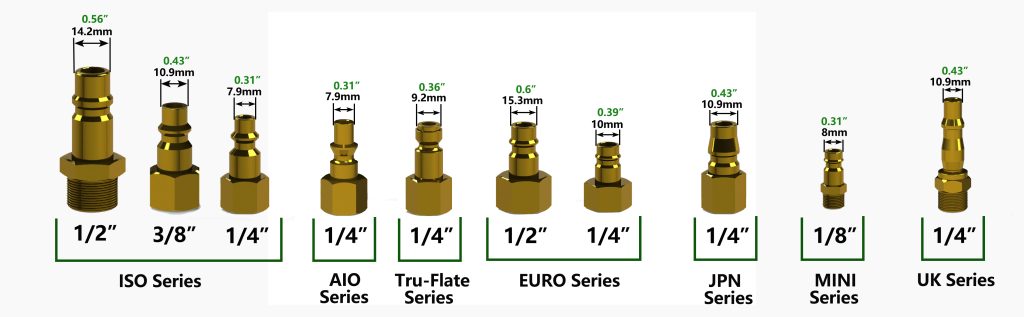
To view our the following pneumatic quick connect plug identification chart. You can print out this identification chart to match up the the outlines of the pneumatic couplers.
Dg-Pnetic supply all of widely used hydraulic coupling. And support the customized models, such as the coupling assembled on the ship, used in the corrosive environment and the super high pressure situation.
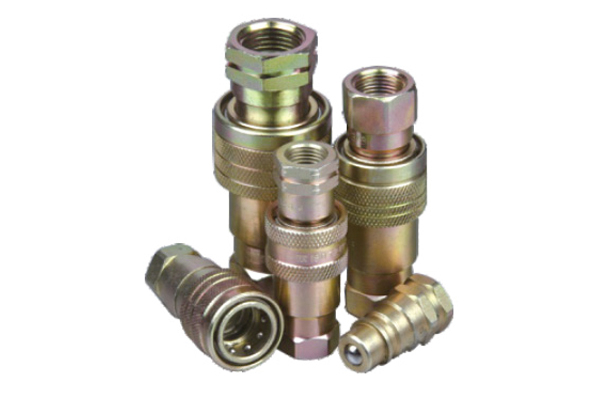
The ISO 5675 standard provides a set of dimensions for the couplings, ensuring compatibility across different manufacturers and systems. Poppet valves and ball valves structures are available.
Poppet valves are optional.
The ball valve structure is suitable for heavy-duty hydraulic applications within the rated working pressure.
The valve provides a metal-to-metal seal between the ball and socket seat.
Material: Steel, brass, stainless steel.
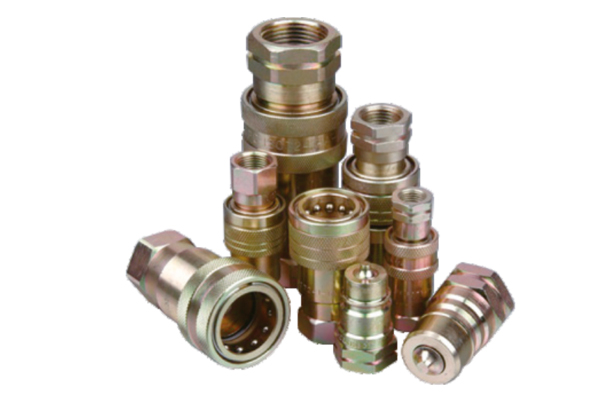
It is a widely recognized standard for hydraulic quick-connect couplings designed to allow for the fast and safe connection and disconnection of hydraulic systems.
Pipe Size: The max pipe size 2″.
Materials: Coupling: Steel (zinc chromate plating) Nipple: Hardened steel (zinc chromate plating). Other materials Brass, Stainless steel are available upon request.
PTFE: Provide an additional O-ring PTFE support ring,
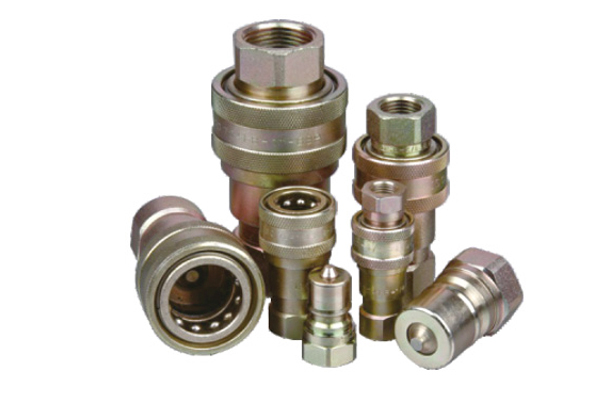
It is another standard in the ISO 7241. The “1B” designation refers to a specific subset of the ISO 7241 standard, and it typically has certain differences in design compared to the 1A variant, especially in terms of locking mechanisms and sealing arrangements.
Pipe Size: The max pipe size 2″.
Materials Coupling: Steel (zinc chromate plating) Nipple: Hardened steel (zinc chromate plating) Other materials Brass
Stainless steel are available upon request.
PTFE back-up ring for the seal which prevents seal washout at high flow rates.
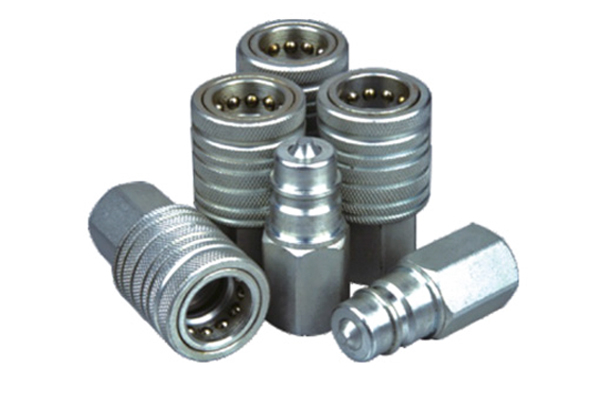
ISO 7241-1A standard. It’s typically a type of connector used in hydraulic systems that allows for fast and easy connection and disconnection of hydraulic lines without the need for tools.
Materials Coupling: Steel (zinc chromate plating) Nipple: Hardened steel (zinc chromate plating)Product feature.
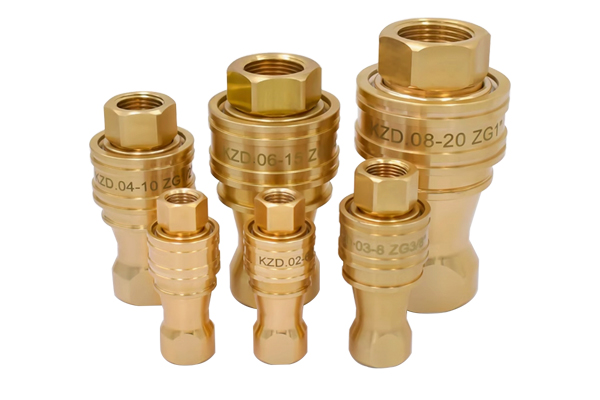
ISO7241-1B standard. A type of hydraulic coupling made from brass, designed to meet ISO (International Organization for Standardization) standards. Brass is a popular material for hydraulic couplings because of its excellent corrosion resistance.
Materials: Nipple: Brass, Coupling: BrassProduct feature
Ball locking mechanism optional.
Couplers have a double oring seal for usage in low pressure and vacuum situation.
The durable-ball-locking mechanism ensures reliable connection every time.
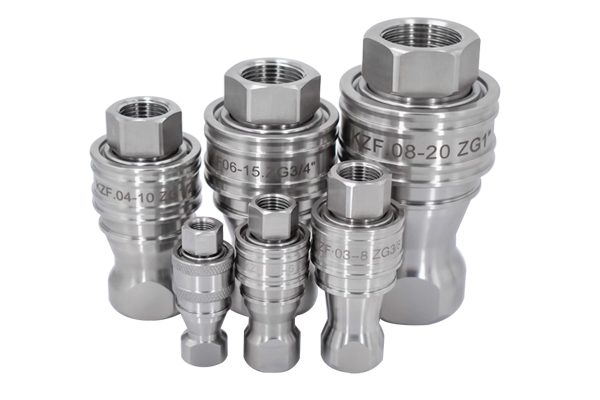
A high-performance, quick-connect hydraulic coupling that meets the ISO 7241-1B standard. It’s a key component for hydraulic systems requiring a reliable, easy-to-use connection and disconnection of fluid lines.
Materials: Coupling: Stainless steel (SUS304 OR SUS316) Nipple: Stainless steel (SUS304 OR SUS316)
Ball locking mechanism optional.
Couplers have a double o ring seal for usage in low pressure and vacuum situation.
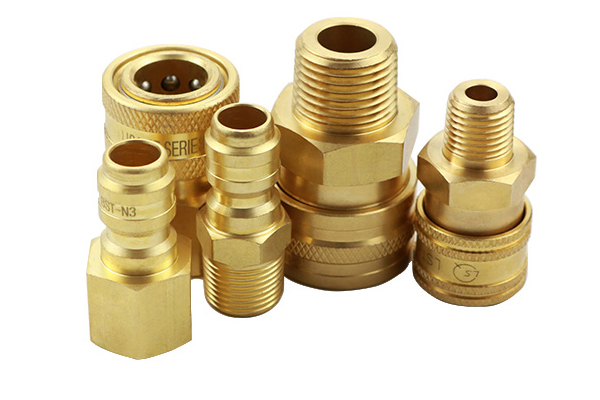
A type of hydraulic quick coupling designed for applications where quick and easy connection and disconnection of hydraulic lines are required. Open-type couplings generally have a simpler design, which may be used in applications where the system does not require pressure sealing during the disconnection process.
Material: Brass
1. Non-valved couplers have minimum flow hindrance and maximum flow rate.
2. Steel, Brass, Stainless steel are available upon request.
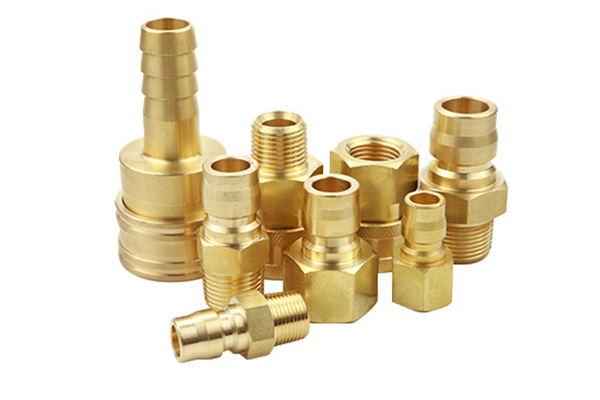
A type of hydraulic quick coupling that is designed by Nitto Kohki, the Nitto version allows for easy and fast connection and disconnection of hydraulic lines. Like other open-type couplings, Nitto’s design doesn’t include an internal valve to shut off fluid during disconnection.
Material: Brass.
Working Pressure: 15 Mpa
Non-valved couplers have minimum flow resisrance and maximum flow rate.
2. Steel, Brass, Stainless steel are available upon request.
The size of the orifice (opening) affects how much fluid can flow through. Bigger flow needs a bigger orifice. As the orifice gets larger, the fitting also gets larger. Quick couplings come in different orifice sizes to match flow needs.
Make sure the quick coupling can handle your system’s pressure. Using a coupling with too low a pressure rating can be dangerous. Always match the pressure rating to your system.
If you connect and disconnect the coupling many times a day, choose an automatic coupler – it’s faster and easier to use.
Automatic Coupler: Just push the plug in. You only slide the sleeve to disconnect.
Manual Coupler: You need to slide the sleeve every time you connect or disconnect.
Think about where the coupling will be used. Tough or dirty environments may need stronger or rust-proof materials. Some industries also have rules for compressed air fittings – check those too.
What flows through the coupling matters. If the fluid is corrosive, choose the right materials for both the body and the seal.
For example, some refrigerants can damage regular rubber (like NBR) seals, which may cause leaks. Pick materials that can handle the fluid safely.