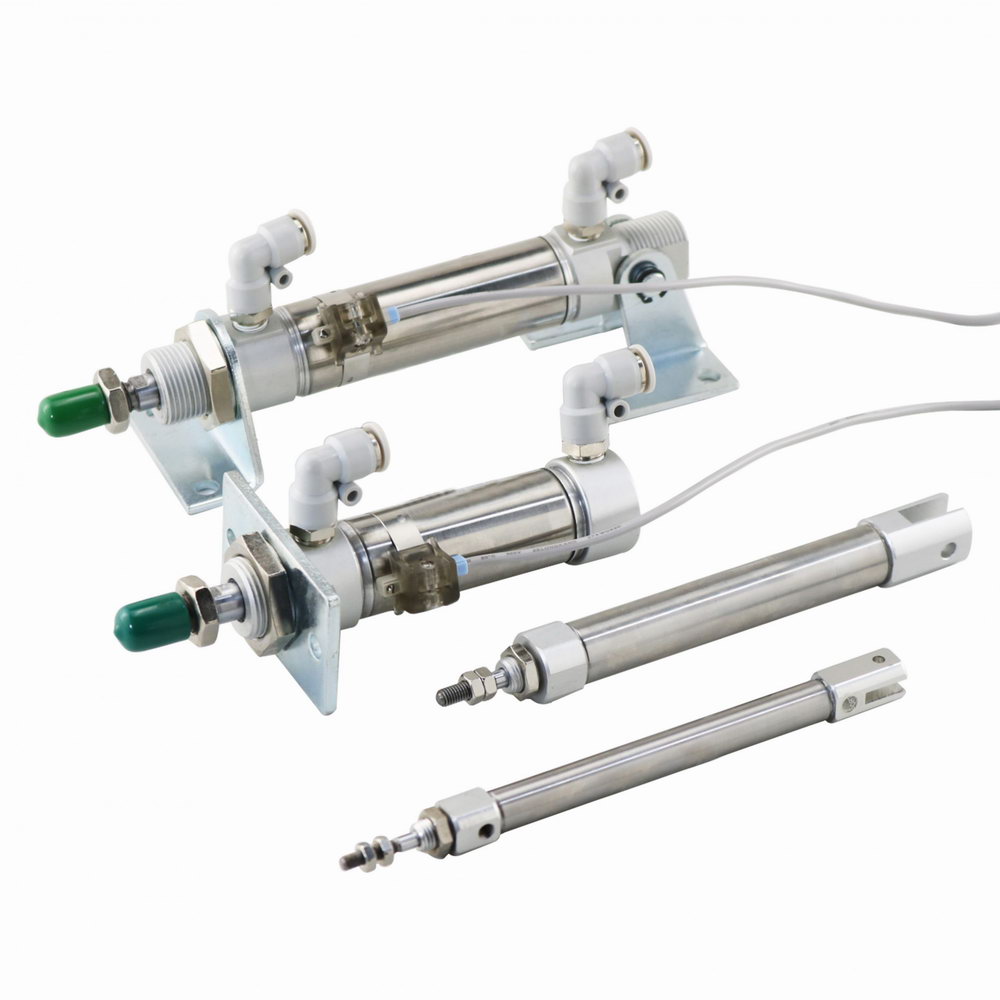
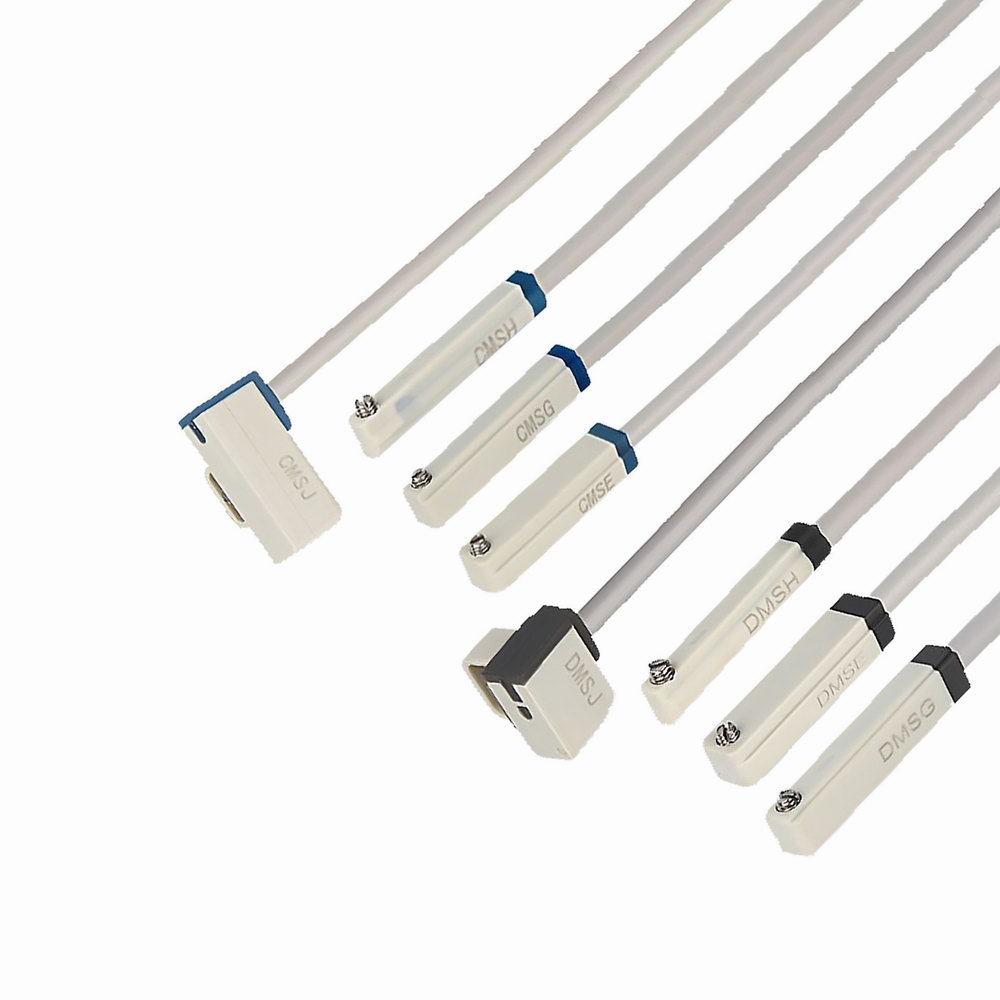
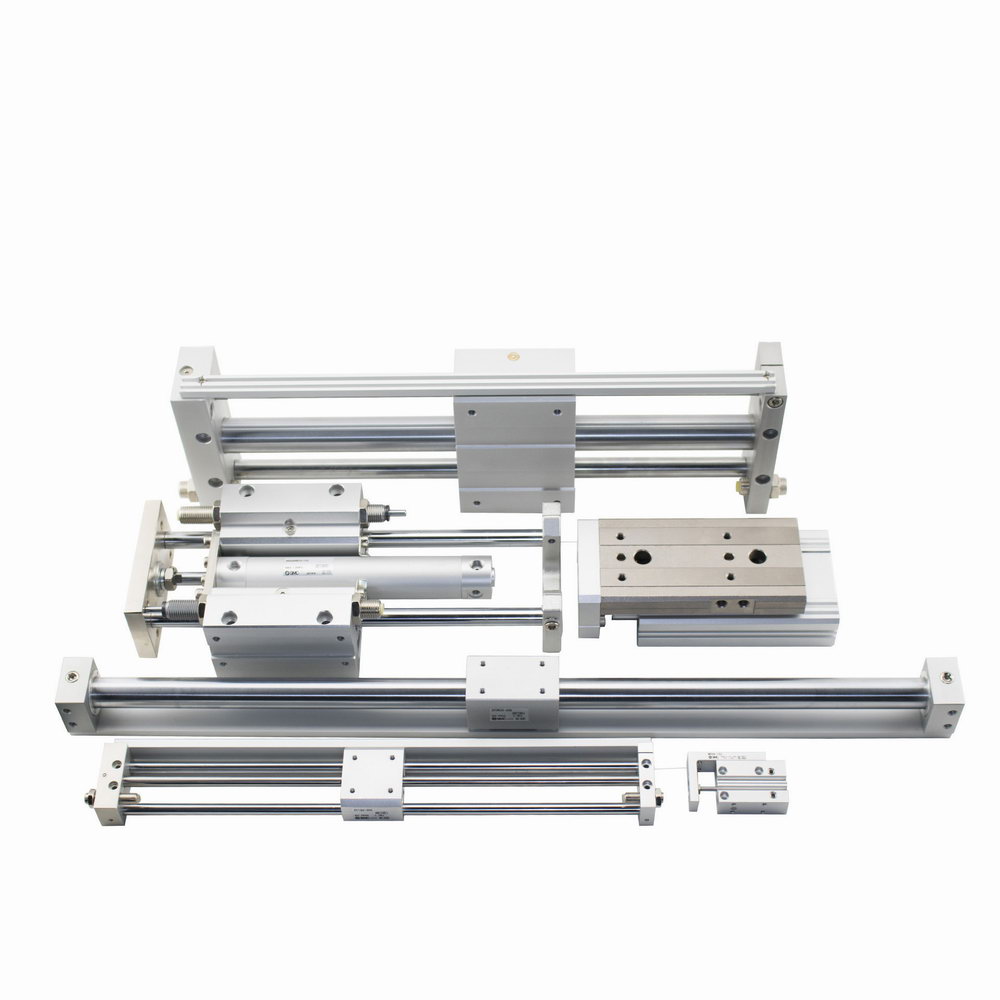
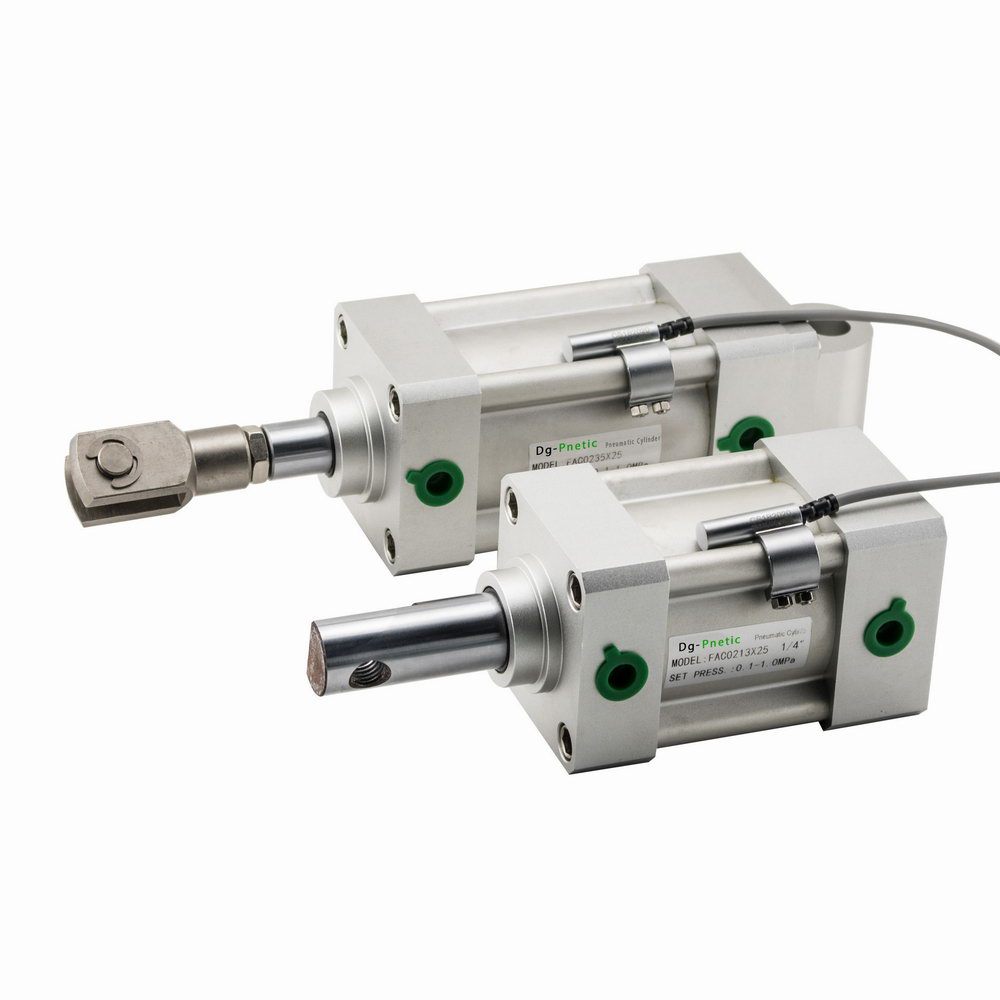
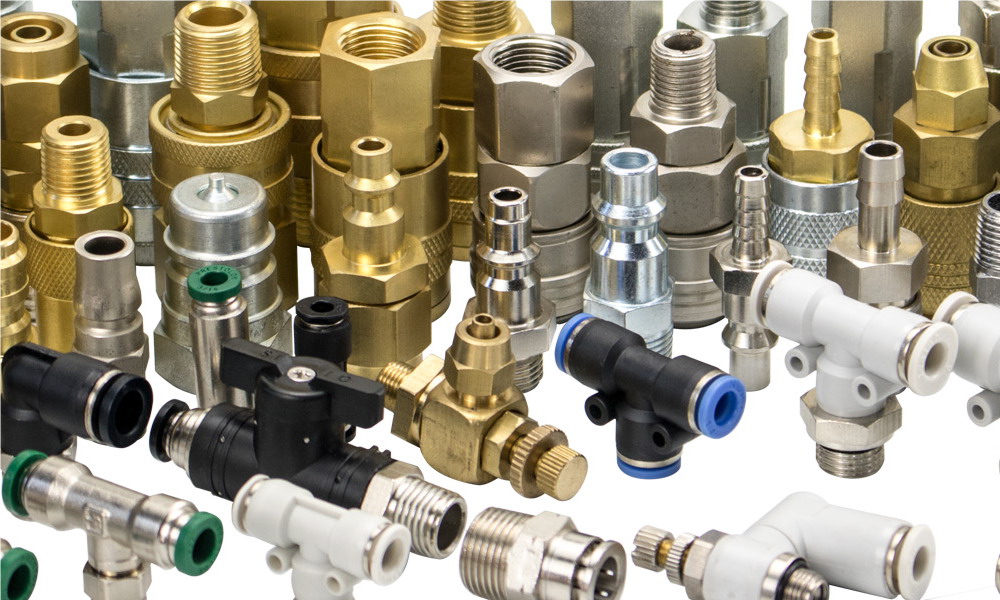
Rodless Cylinder Guide Cylinder Pneumatic Slid

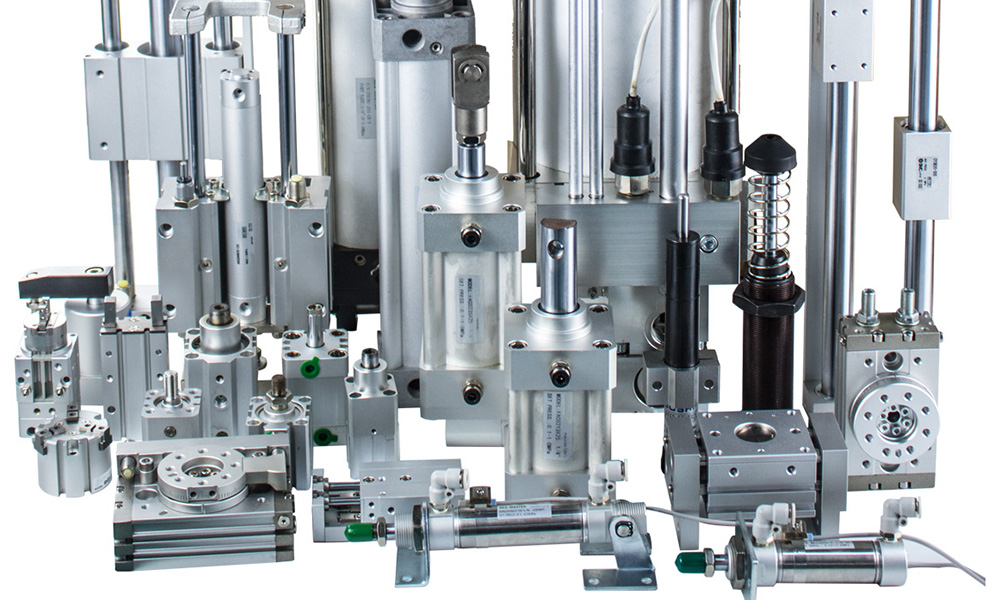
Tie-Rod Cylinder And Profile Cylinder

Pneumatic Gripper Cylinder, Pneumatic Clamp

Air Compressor Water Trap

💧 What Is an Air Compressor Water Trap?

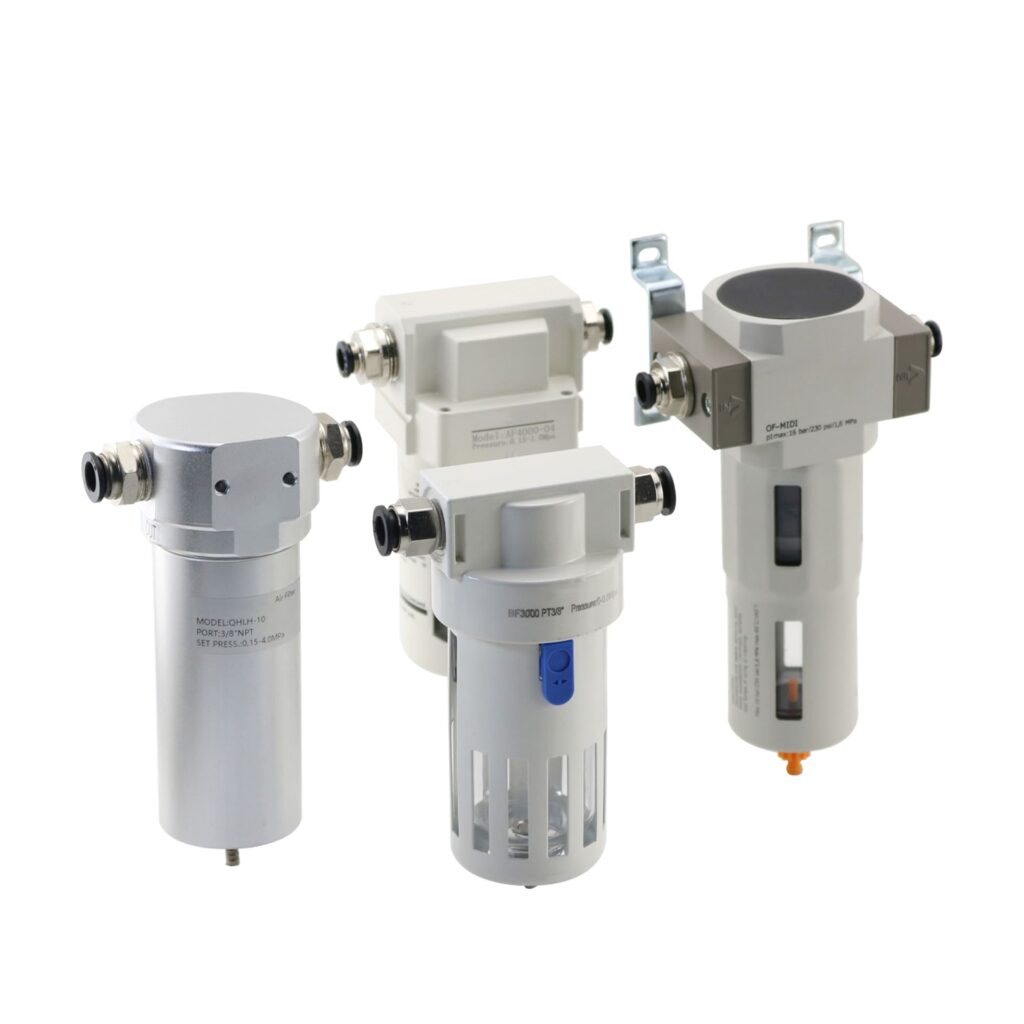
An air compressor water trap (also called an air line filter) is used to remove water, oil, and dust from compressed air. These contaminants are common in piston and screw compressors, especially those that use oil for lubrication.

The water trap is usually installed:

  • After the compressor,

  • Along the air pipeline, or

  • On the machine or pneumatic system.

It helps ensure the air is clean and dry, protecting equipment and improving performance.

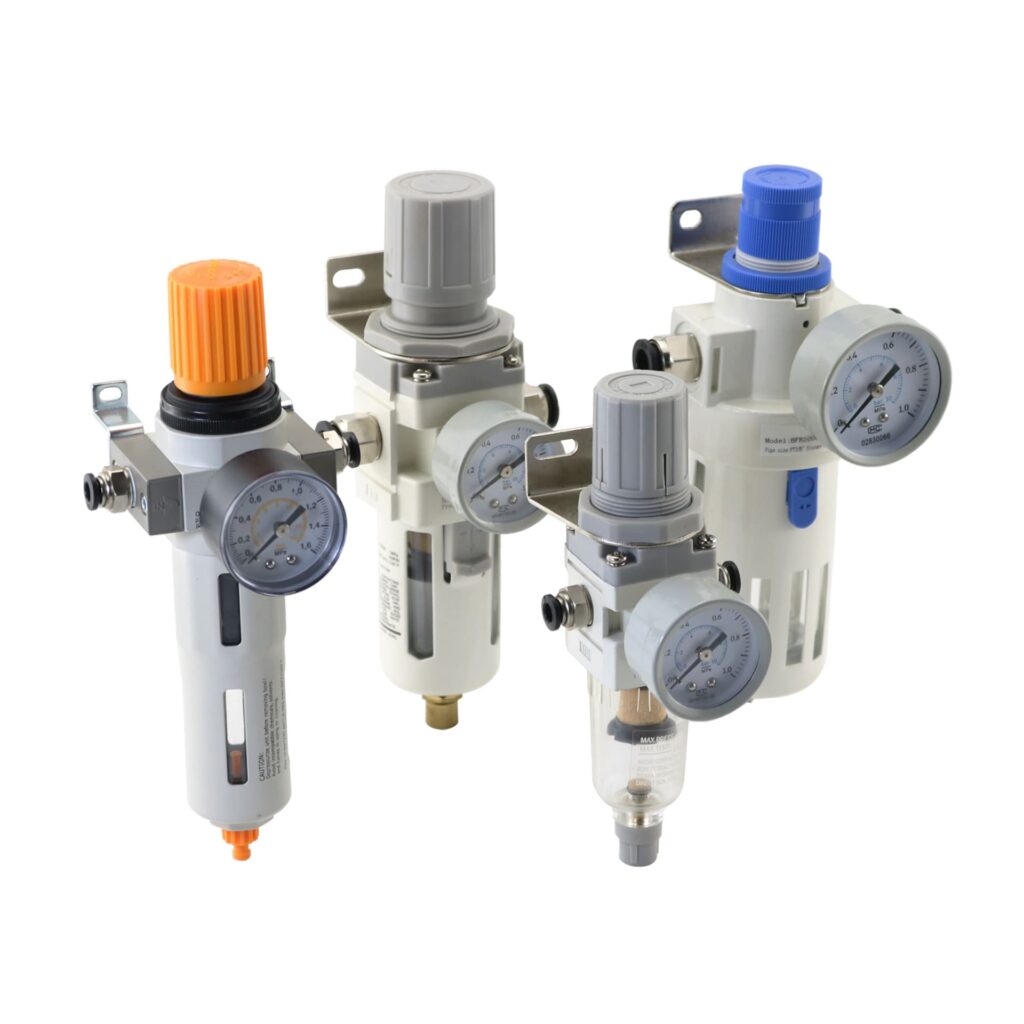
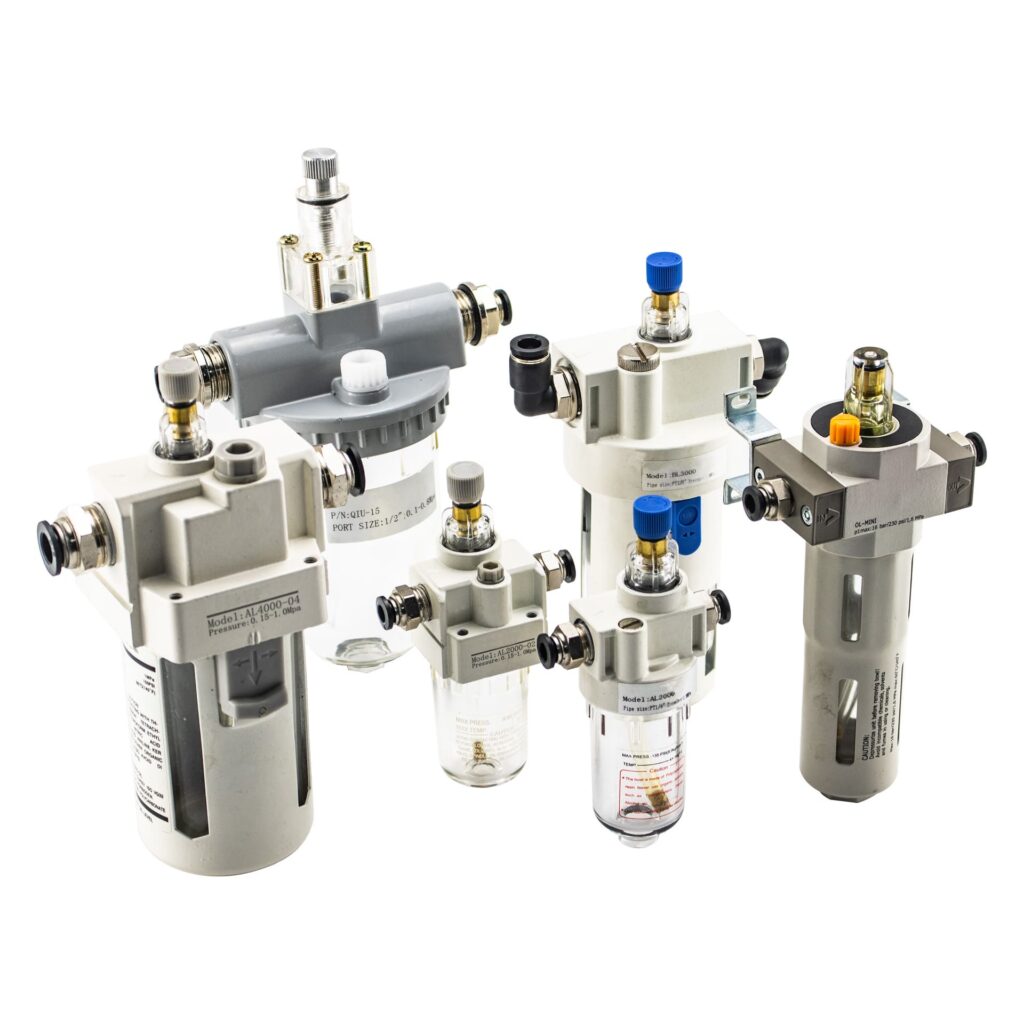
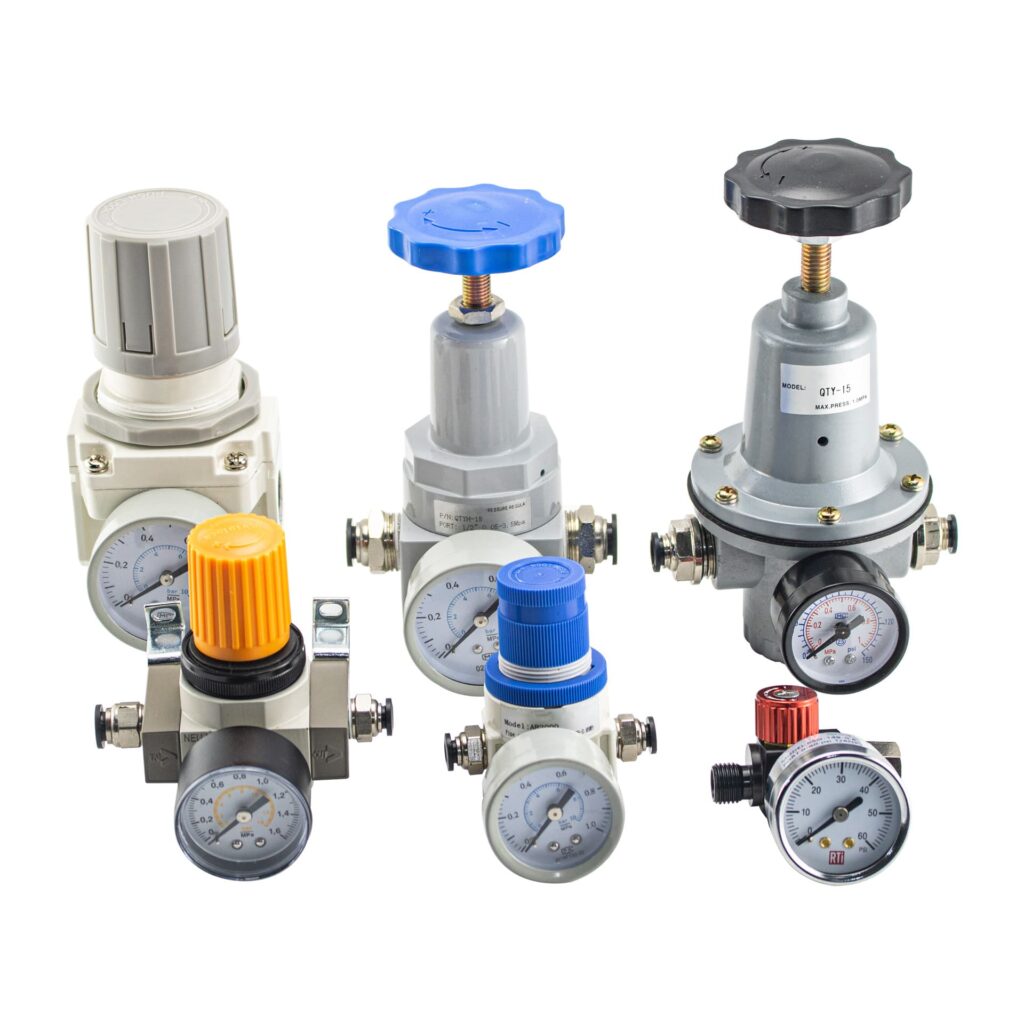
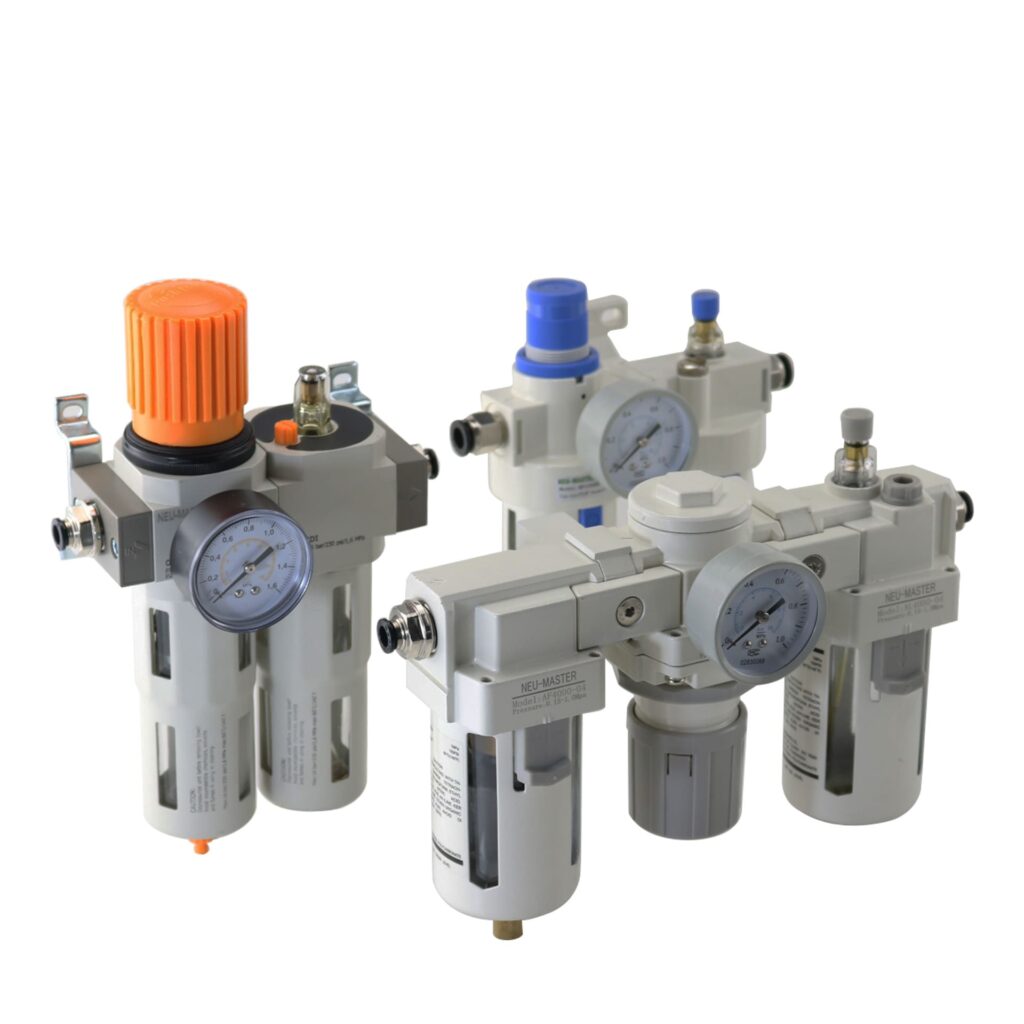
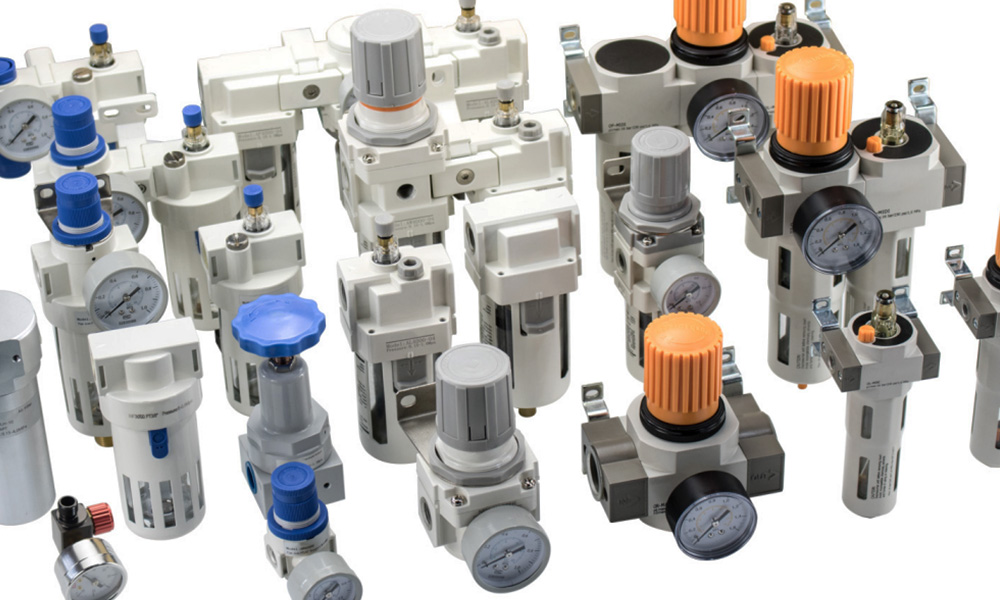
When combined with a regulator and lubricator, it forms an air source treatment unit (also called FRL).


✅ Why Do You Need One?

1. Protect Your Equipment

Dirty air can damage valves, cylinders, and seals. Water and oil can cause rust, swelling, and wear, leading to breakdowns and costly downtime.


2. Improve Efficiency

Clean air helps machines run smoother and faster, with lower energy use and fewer maintenance issues.


3. Match Your Application

Different systems need different levels of air purity. Choose the right filter type and size based on how clean your air needs to be.
Our Air Water Trap Product Line

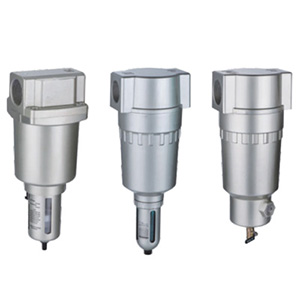
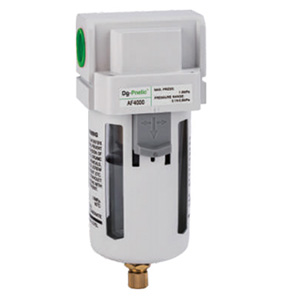
AF Air Compressor Water Trap

AF Air Water Trap

FluidCompressed air

Operating Pressure Range0.05 to 1.0 MPa

Proof Pressure1.5 MPa

Ambient and Fluid Temperature−5 to 60°C (No freezing)

Filtration RatingStandard 5 µm

Bowl MaterialPolycarbonate (standard); metal options available

Drain CapacityVaries by model (e.g., AF20: 25 cm³; AF60: 45 cm³)

Port SizesAF2000: 1/8, 1/4​; AF3000: 1/4, 3/8​; AF4000: 1/4, 3/8, 1/2​; AF5000: 3/4, 1″​​​

 
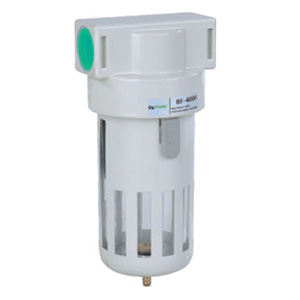
AF BF Air Water Trap

AF BF Air Water Trap

Applicable MediumCompressed Air

Filtration PrecisionStandard 40 µm; optional 5 µm

Operating Pressure Range0 to 1.0 MPa

Proof Pressure1.5 MPa

Operating Temperature Range5°C to 60°C

Bowl MaterialPolycarbonate with optional protective cover

Drain TypeManual or Semi-Automatic

Port SizesAF1500: 1/8​; AF2000: 1/4BF2000: 1/4; BF3000: 3/8; BF4000: 1/2

 
AF-Main-Line-Water-Trap.jpg

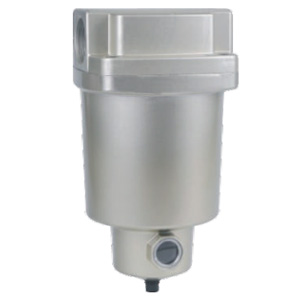
AF Main Air Line Water Trap

SeriesAF800/900​​

Port Size: 1½, 2″ (NPT, BSPT)

Filtration Rating5 µm (standard); optional stainless steel elements available

Operating Pressure Range0 to 1.0 MPa (0 to 145 psi)

Proof Pressure1.5 MPa (215 psi)

Operating Temperature Range−5°C to 60°C (23°F to 140°F)

Bowl MaterialAluminum with optional polycarbonate sight glass

Drain TypeManual drain cock standard; auto-drain options available

Flow CapacityApproximately 14.5 m³/min (ANR)

WeightApproximately 5.2 kg

 
AFF-Main-Line-Water-Separator.jpg

AFF Main Line Water Separator

Filtration EfficiencyRemoves particles as small as 1.0 µm with 99% efficiency.

Operating Pressure RangeUp to 1.0 MPa (10 bar).

Proof Pressure1.5 MPa (15 bar).

Operating Temperature Range−5°C to 60°C (No freezing)

Port Sizes: Available in 1/2″, 1″, and 1½” options.​

Flow CapacityHandles flow rates up to 14.5 m³/min (ANR), depending on the model.

Bowl MaterialConstructed with a lightweight stainless steel bowl, contributing to a weight reduction of up to 52% compared to previous models.

 
F-Water-Separator.jpg

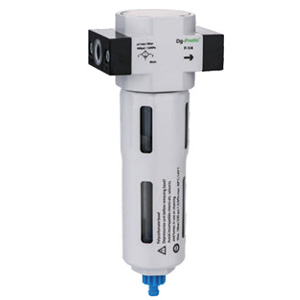
F Air Water Separator

Filtration GradesAvailable in 5 µm and 40 µm options.

Flow RatesDepending on size and filtration grade, flow rates range from approximately 800 l/min to 5,300 l/min.

Operating PressureUp to 16 bar.

Operating Temperature Range−10°C to +60°C.

Port SizesG1/8″ to G1″, accommodating various system requirements.

Condensate Drain OptionsManual, semi-automatic, and fully automatic drains are available.

MaterialsHousingDie-cast zinc.​ Filter BowlPolycarbonate or aluminum with optional metal bowl guard.​ SealsNBR (nitrile rubber).

 
F804-Air-Tools-Water-Trap.jpg

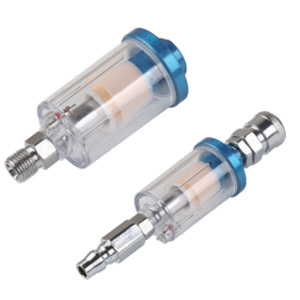
F804 Air Tools Water Trap

Connection Size: Inlet/Outlet: 1/4″ BSP or NPT (depending on model)

Filtration Rating: Approximately 40 µm

Maximum Pressure: Around 90–150 PSI (6.2–10.3 bar)

MaterialHousing: Transparent polycarbonate Ends: Aluminum alloy or nickel-plated brass

Filter element: Fiber or sintered plastic

Drain Type: Manual push-button or automatic when disconnected

Use Case: Suitable for pneumatic toolspaint spray gunsairbrushes, etc.

Length: ~65–75 mm (2.5–3 inch)

 
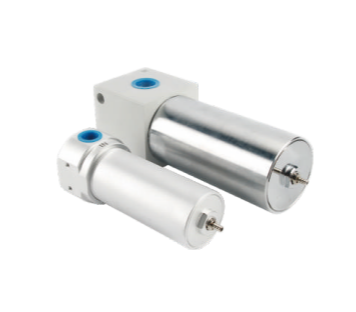
QSLH High Pressure Water Separator

QSLH High Pressure Water Separator

Operating MediumCompressed Air

Port SizesG1/4″, G3/8″, G1/2″, G3/4″, G1″

Filtration Precision20 µm or 40 µm

Maximum Operating Pressure4.0 MPa (40 bar)

Operating Temperature Range−5°C to +80°C

Drain OptionsManual, semi-automatic, or fully automatic

Body MaterialAluminum Alloy

 
USF Stainless Steel Air Compressor Water Trap

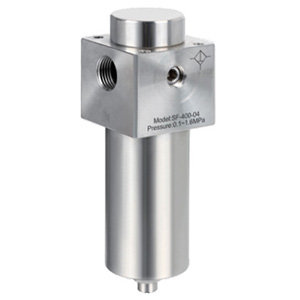
SF High Pressure Stainless Steel Water Separator

Model NumbersSF-02, SF-03, SF-04, SF-06, SF-08

Port Sizes1/4″, 3/8″, 1/2″, 3/4″, 1″​. Thread TypesBSP, NPT, Rc

Pressure Range0.5 to 60 bar (tested up to 80 bar)

Temperature Range-10°C to +70°C

Filter Elements5 or 40 micron SUS316 stainless steel

Drain OptionsSemi-automatic (standard), manual, or fully automatic​​

MaterialsAll 316 stainless steel construction.​ SealsViton (FKM)

ApplicationsSuitable for semiconductor industry, chemical processing, and outdoor facilities​.


How to Select a Compressor Water Trap or Water Separator?

Selecting the best compressor water trap will go a long way to guarantee system efficiency while avoiding undesirable component wear and tear.
You can consider the following factors when selecting a compressor air filter:

1.Type of Application

Different applications require different types of compressor air filters.
Each filter has a different set of filtration requirements and fittings.
You should refer to the requirements of your filtration or consult a reputable company before settling for a given type of filter.

2.Filter Micron Rating

Similarly, the cleanliness required for the compressed air will determine the micron rating of the filter you select.
You should select a filter that will achieve the desired level of cleanliness and still maintaining good service intervals.

3.Flow Rate

The size and of the filter you select will depend on the application level of airflow.
Understanding the maximum allowable pressure drop will assist you to decide on the best size of a filter to select.
The manufacturers will provide a chart showing the pressure drop versus the supply flow.
These charts indicate the performance of a filter at a given intake pressure.
Look through the chart and select the models whose port size and other features meet your system requirement.

4.Efficiency and Quality

You should choose a filter that will effectively remove the contaminants at the desired level of efficiency at a minimum pressure drop.
Note that filters might have similar micron and flow rate rating but significantly differ in their effectiveness in removing contaminants.
High-performance filters might cost you more initially but will give you better results compared to ordinary filters.

5.Temperature

A suitable filter that will effectively remove the contaminants at the desired level of efficiency at a minimum pressure drop.
Note that filters might have similar micron and flow rate rating but significantly differ in their effectiveness in removing contaminants.
High-performance filters might cost you more initially but will give you better results compared to ordinary filters.

6.Environmental standards

Compressed air filters are subject to the ISO 8573 standard, which specifies the purity classes of compressed air for the presence of solid particles, water and oil, regardless of their location in the compressed air system.
This standard also provides general information on pollutants in compressed air systems and refers to other parts of ISO 8573 with regard to the measurement of compressed air purity or the specification of compressed air purity requirements.
Lastly, the ISO 8573-1:2010 standard also identifies gaseous and microbiological pollutants.