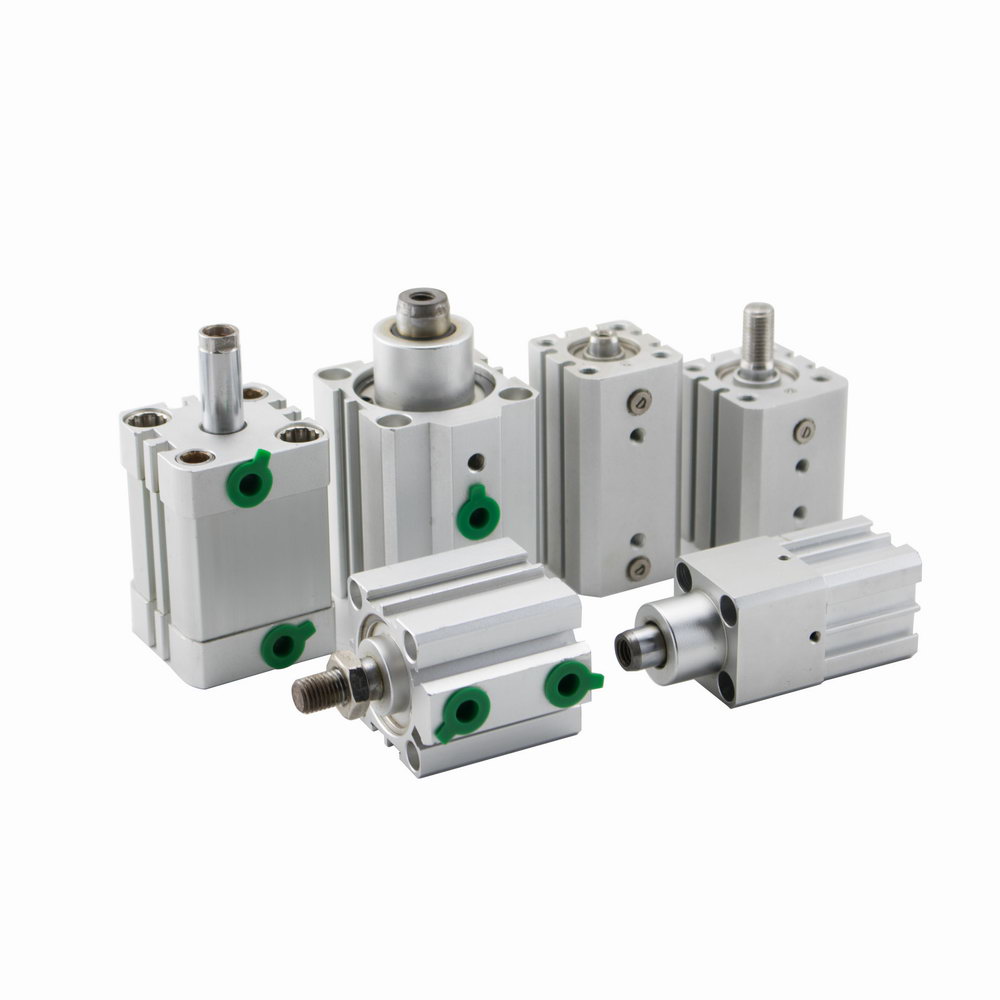
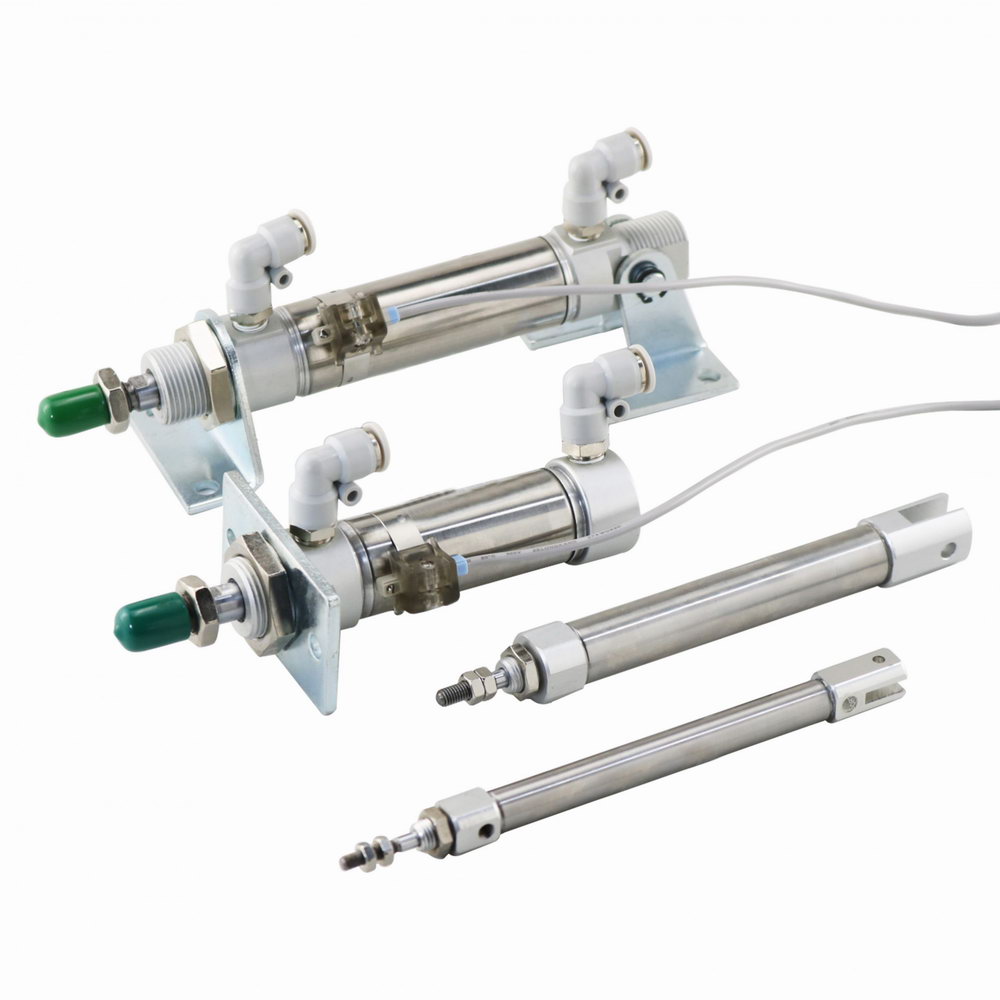
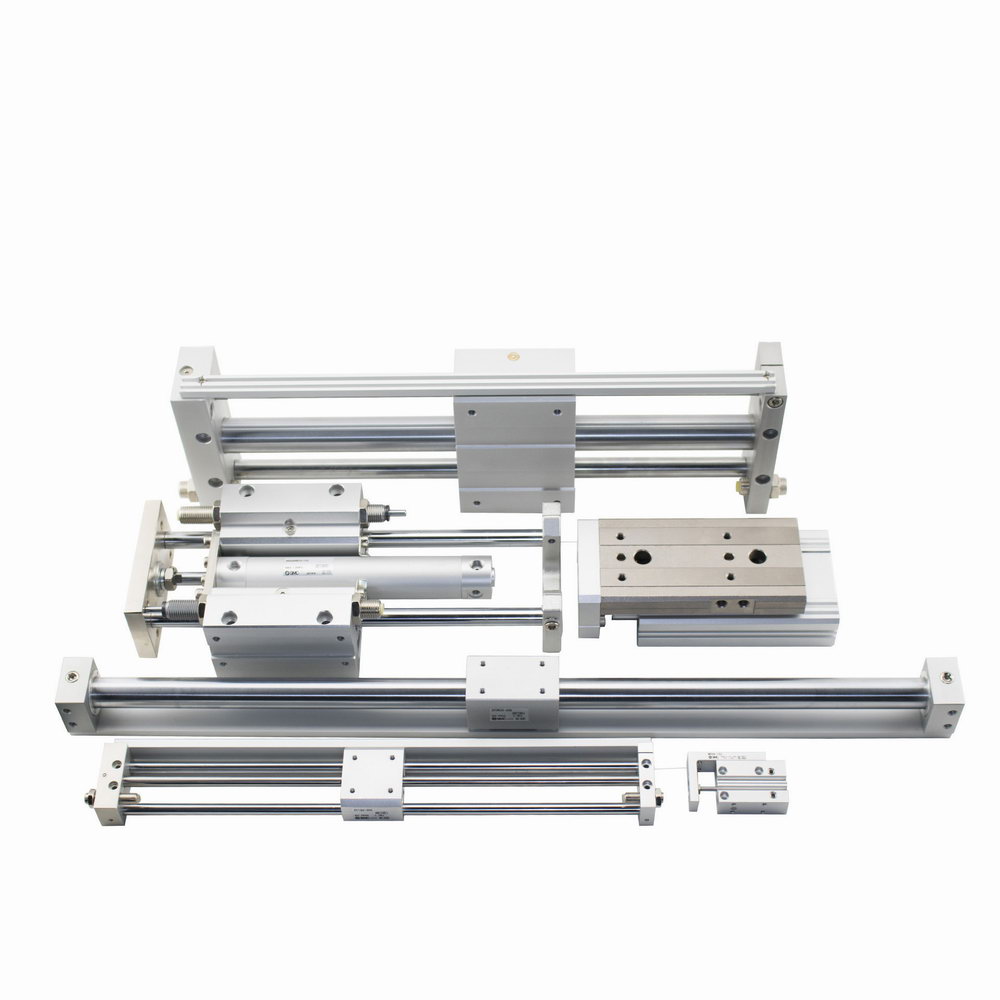
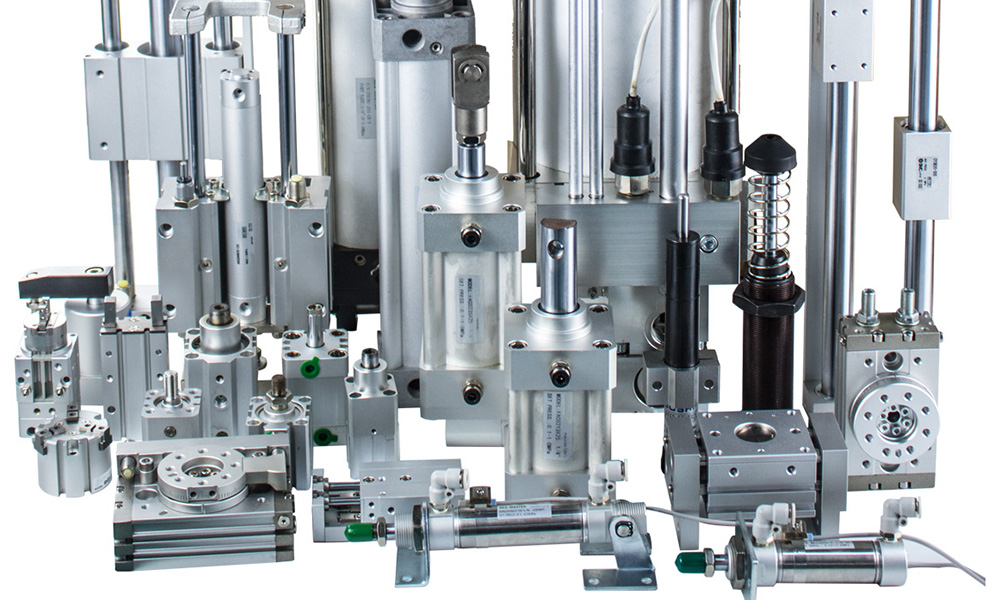
Rodless Cylinder Guide Cylinder Pneumatic Slid

Tie-Rod Cylinder And Profile Cylinder

Pneumatic Gripper Cylinder, Pneumatic Clamp

Pneumatic Cylinder Application

What’s the application of the pneumatic cylinder

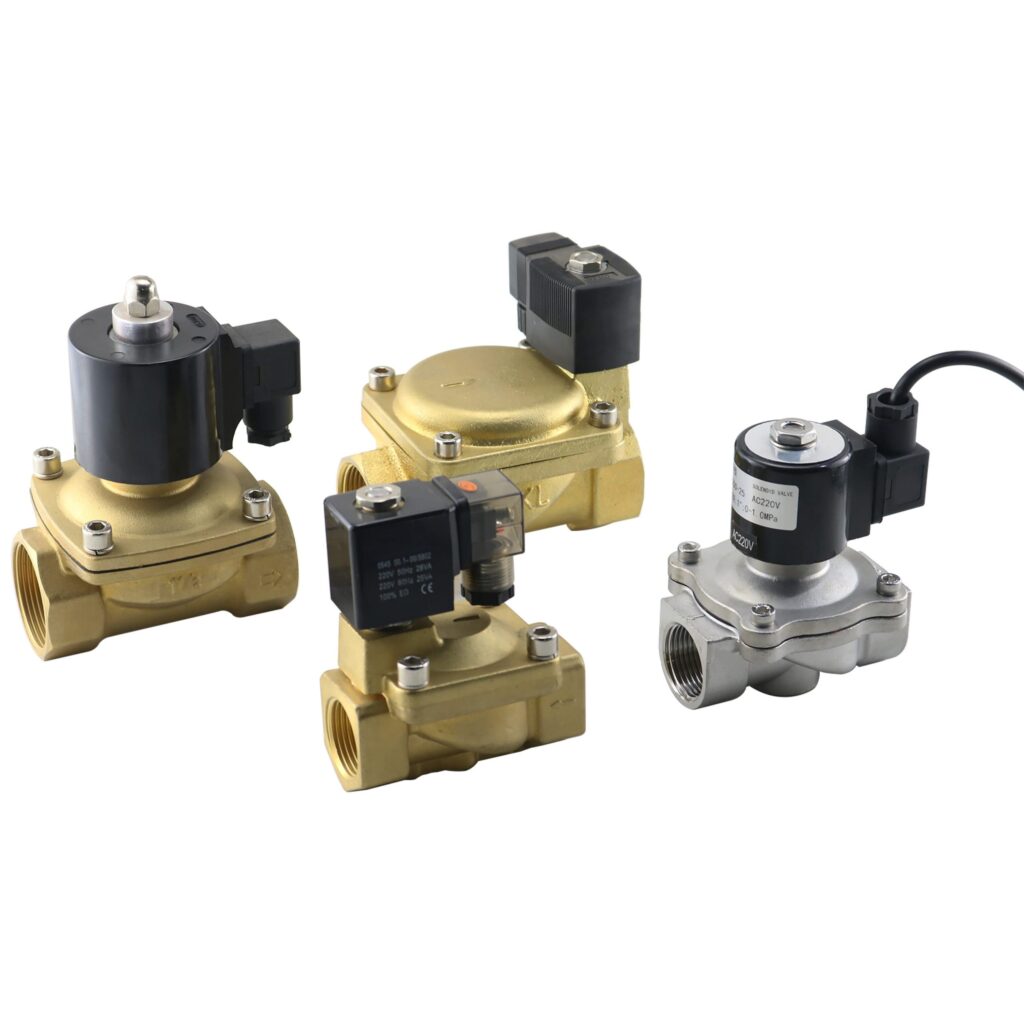
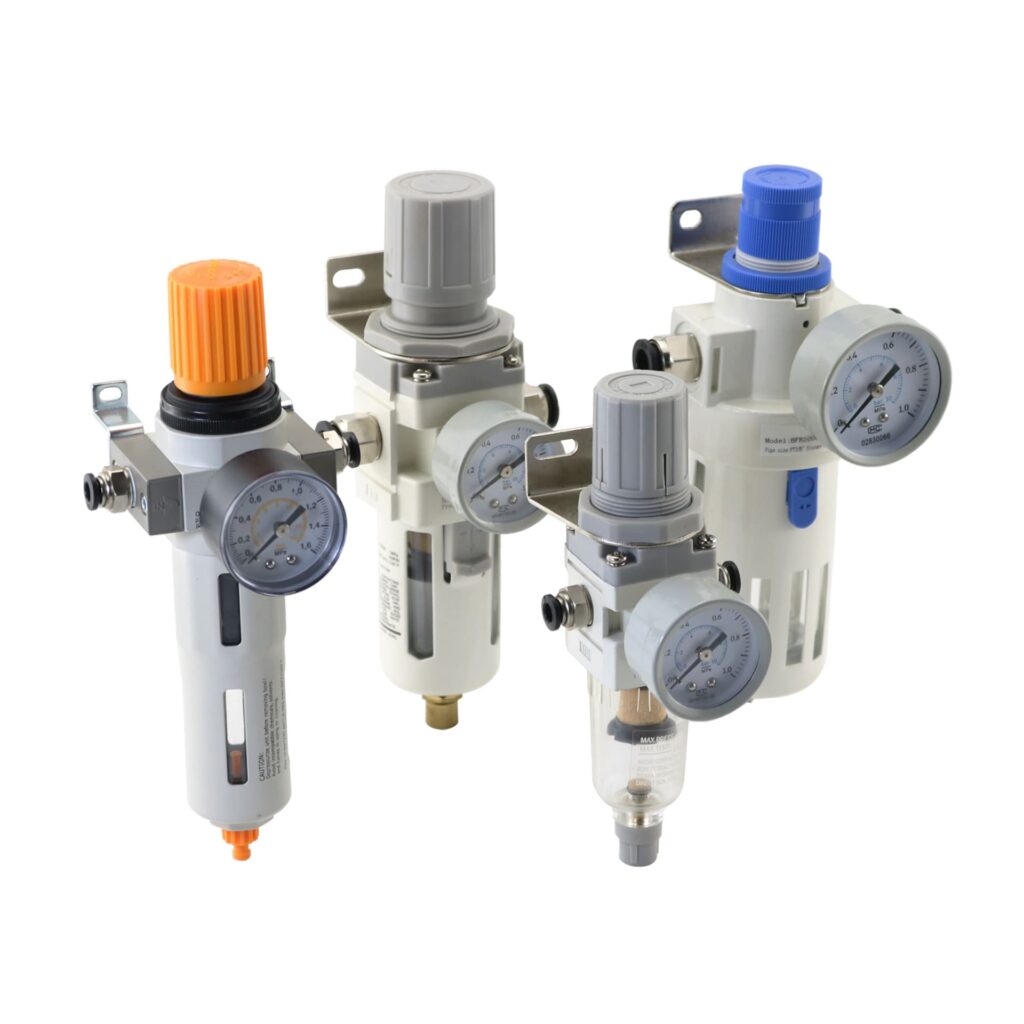
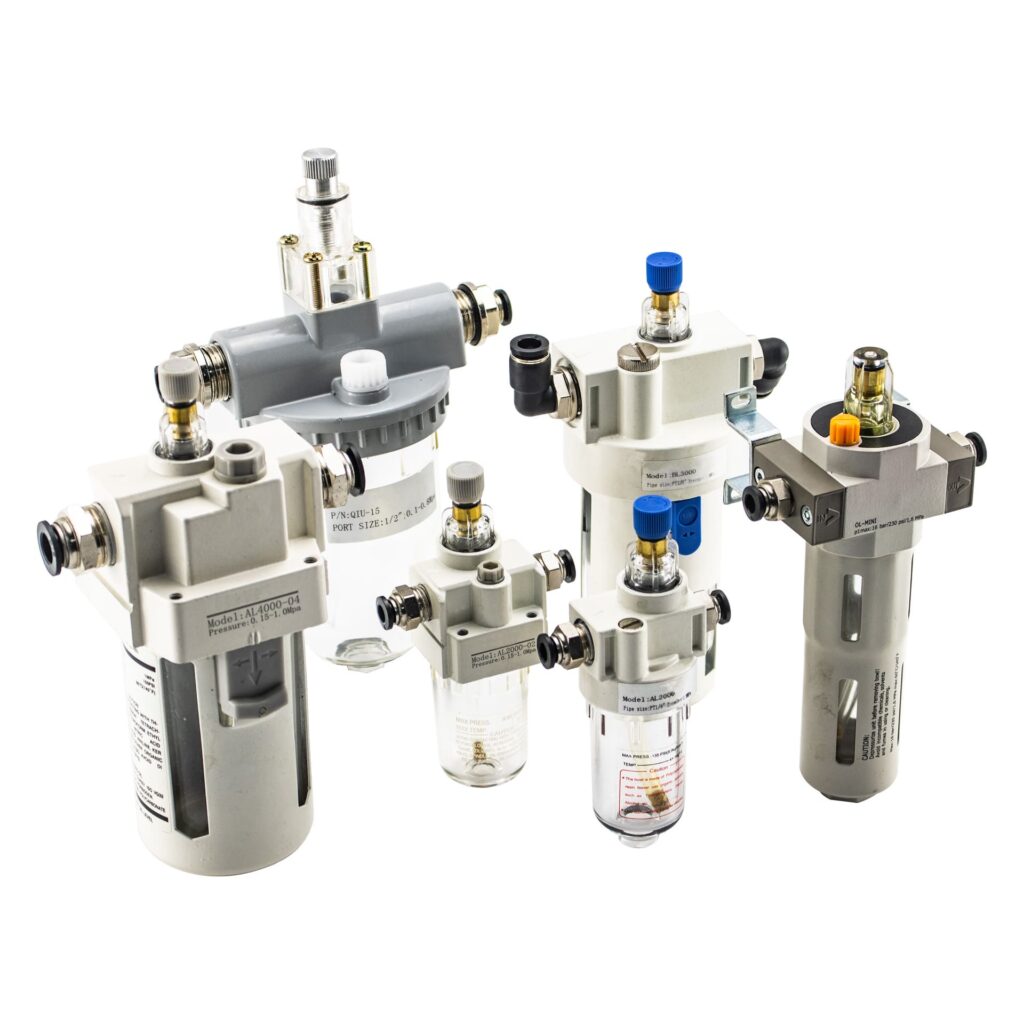
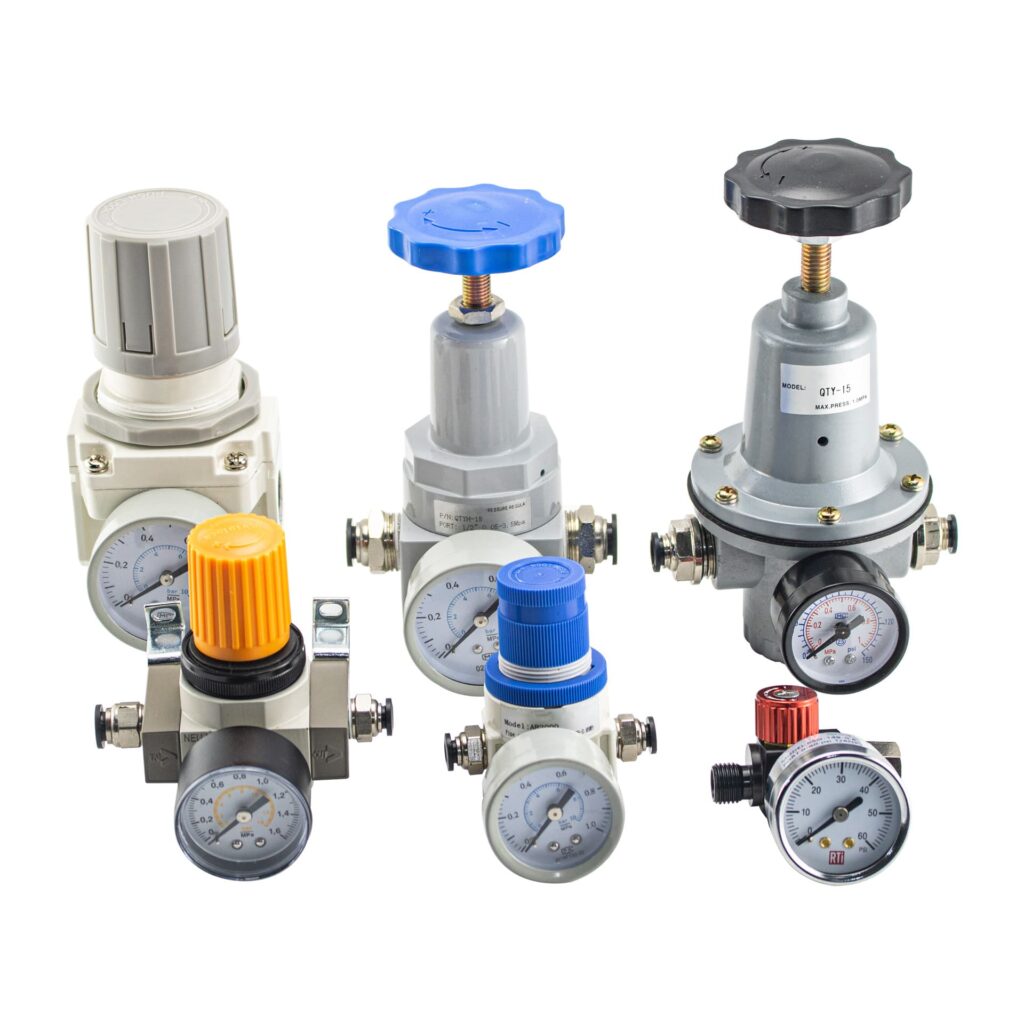
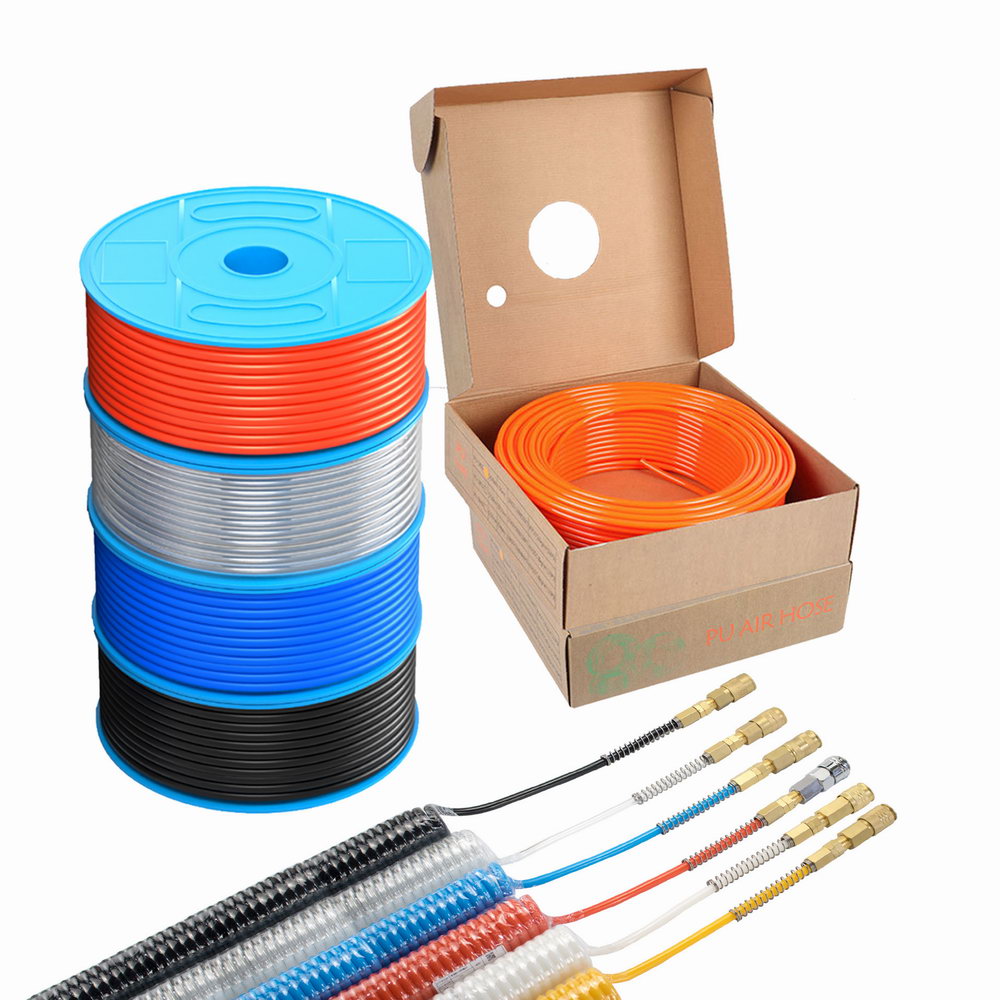
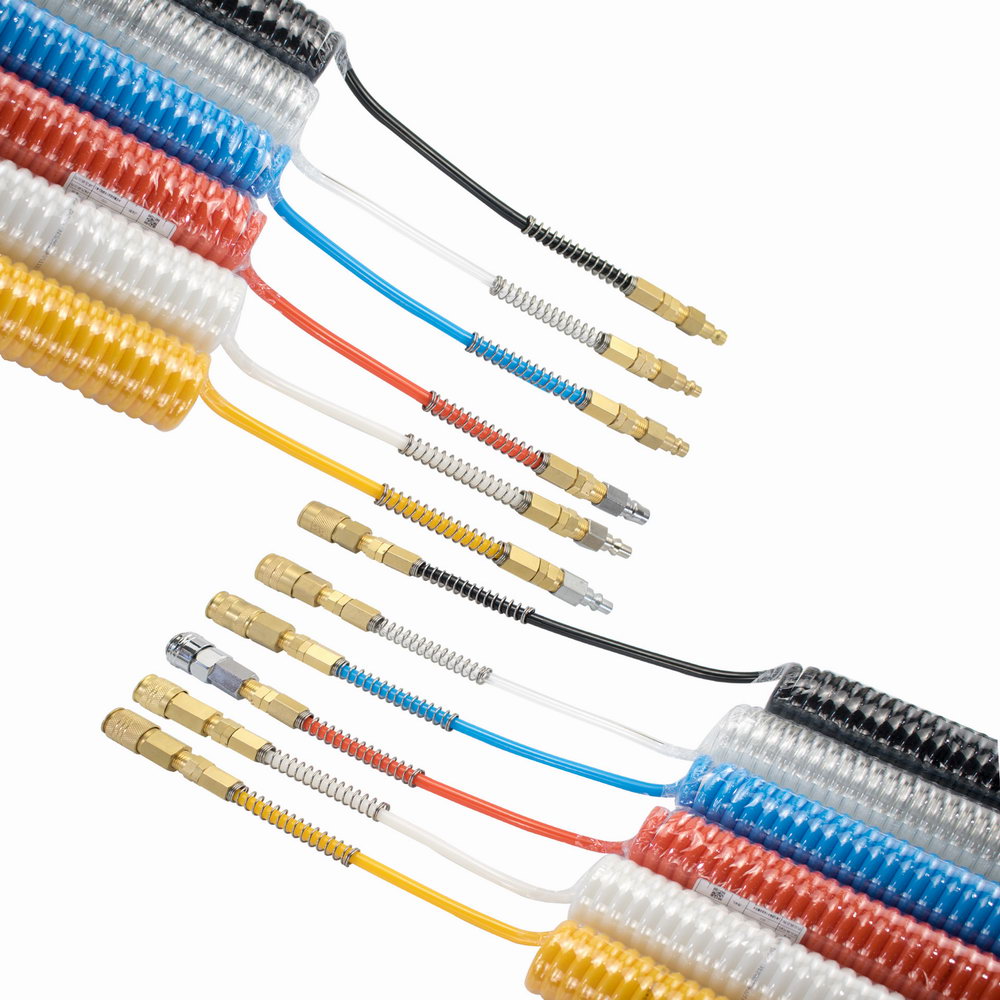
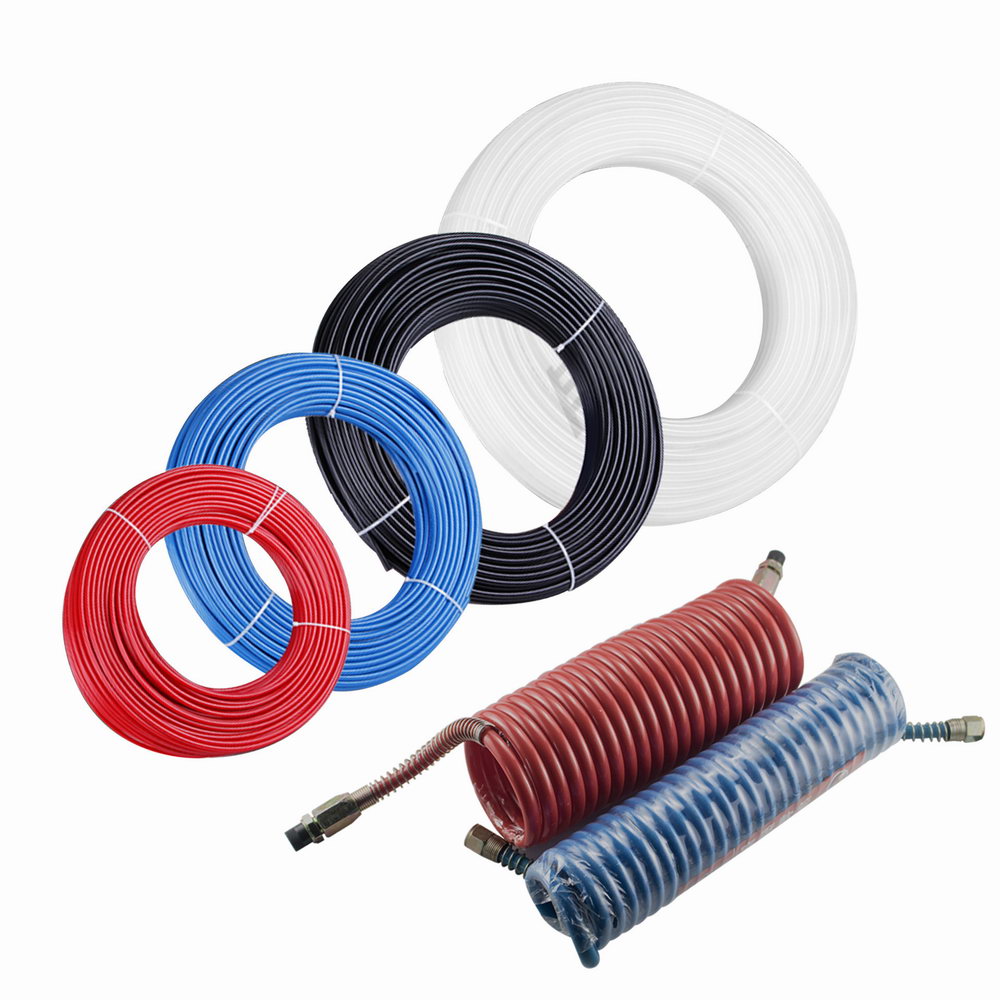
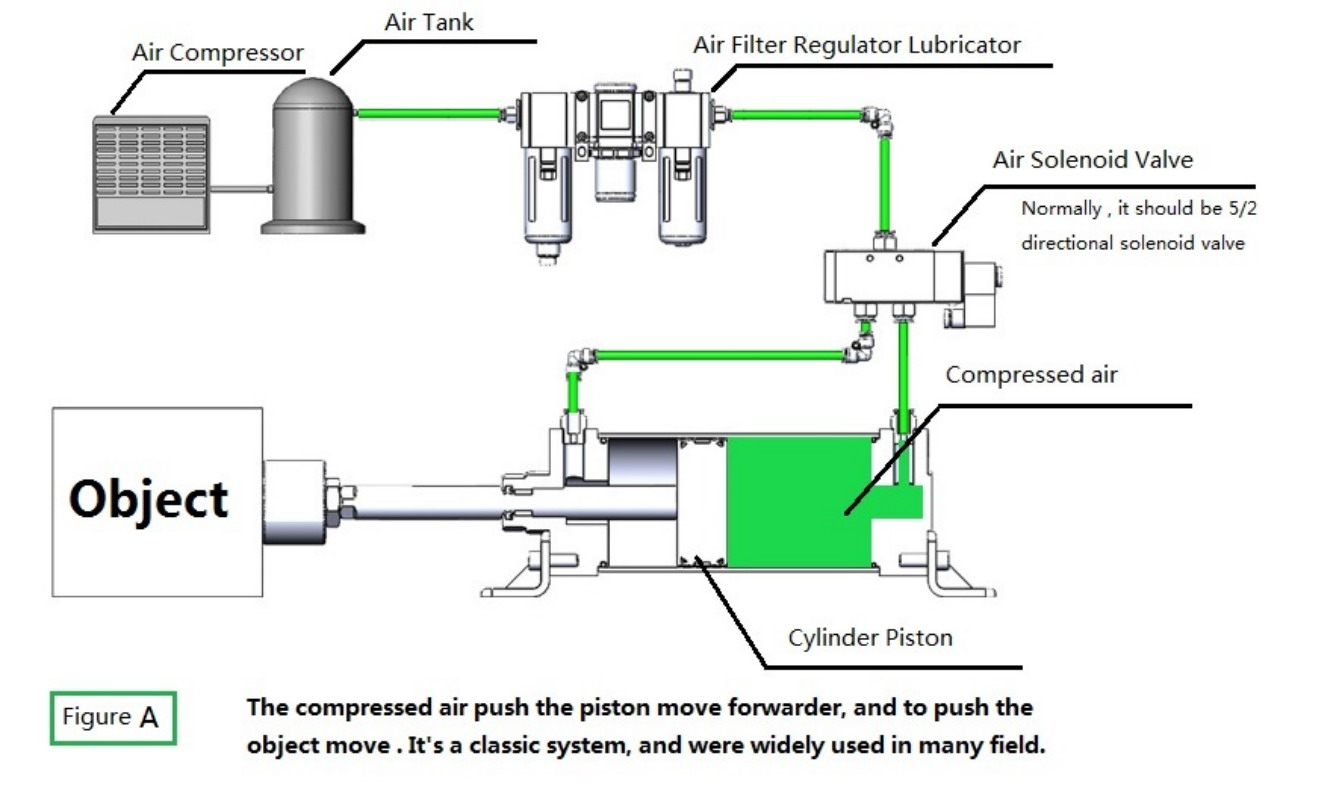
The application of the pneumatic cylinder with the linear motion. Normally , there are two types of linear motion cylinder: single action type and double acting type. The following figure shows the basic structure of the double acting cylinder,and how does the pneumatic cylinder work. The whole system include a air compressor , air tank to keep pressured air,a filter regulator lubricator,the solenoid directional valve, and the connector, pu hose,and the pneumatic cylinder
So what’s the application of the linear motion cylinder?

With the simple linear motion element, a designer could complete lots of action with it. Such as to push or pull a object, to elevate or put down a object. Two working pneumatic cylinder could fix a component….. The figure B shows what’s the application of the pneumatic cylinder: The figure C shows a typical usage of the double acting cylinder on a manipulator . It includes one pc guide cylinder, and two pcs double acting cylinders,the shock absorbers, and guide track. The vacuum pad adsorption device is activated by the double acting cylinder to move along with the X axle and Y axle and handling the parts .

Where the linear motion pneumatic cylinders are used?

Pneumatic cylinders are widely used in the factory. Production transmit lines Processing machinery The automation system

What are the advantages of double-acting cylinders

  • Constant force,could be for heavy duty work
  • Easy to maintain.
  • Even several meters stroke are still available.
 

The application of the rodless pneumatic cylinder ?

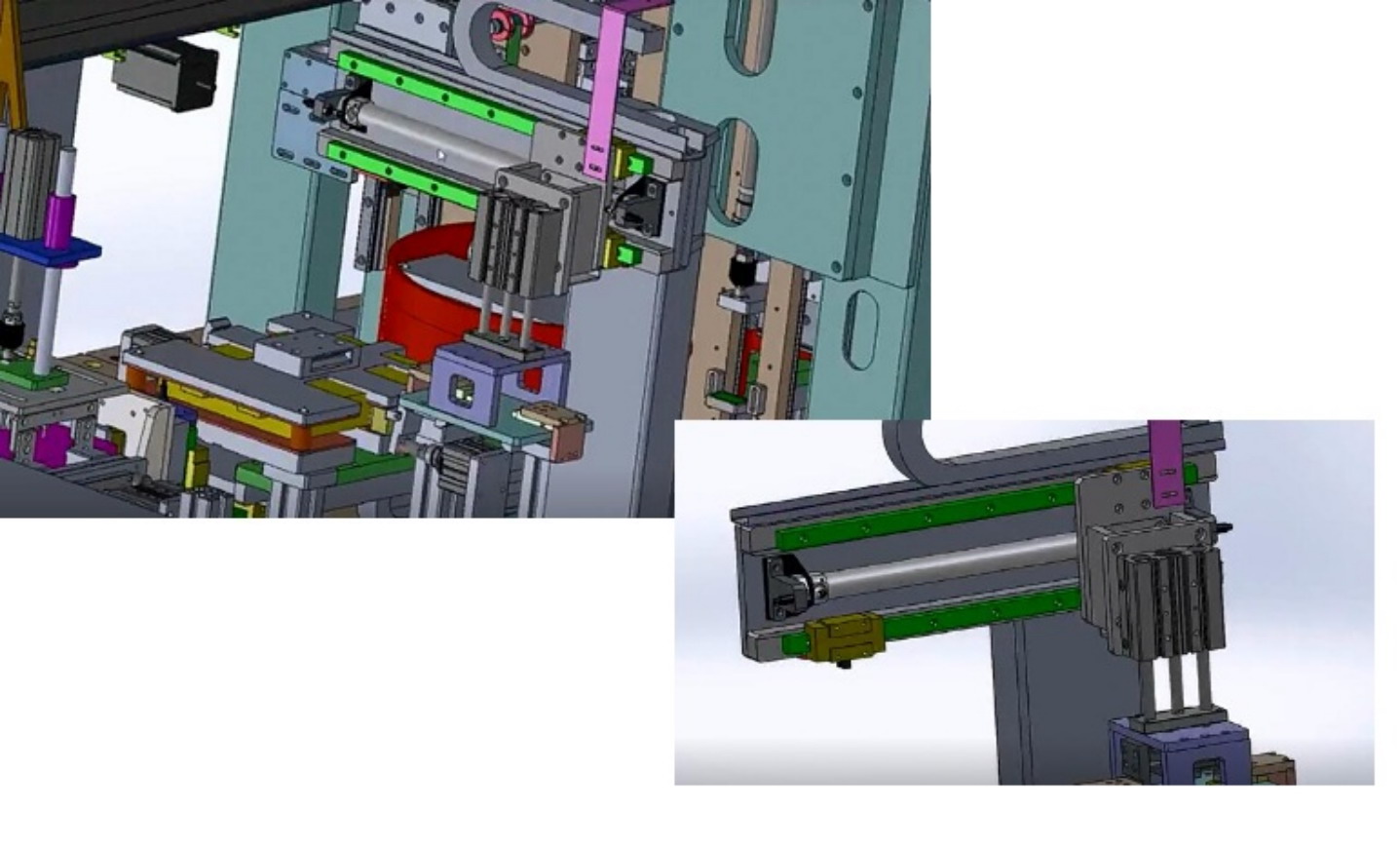
When the stroke of the cylinder is too long, the stretched longer rod may causes the piston rod to bend or deform due to the itself’s weight. Therefore, a rodless cylinder were invented to solve this problem. Figure C shows the classic structure of mechanical rodless cylinder. A slot is engraved in the axial direction of the cylinder barrel, and like an ordinary cylinder, air buffer devices are provided at both ends of the cylinder. The piston drives the pallet to move in the groove together. In order to prevent leakage and dust, a polyurethane sealing tape and a dust-proof stainless steel covering tape are assembled along with the slot, and fixed on the end caps. So what’s the application of the rodless cylinder? The picture show a grip motion that completed by the rodless cylinder activated device. In some occasions where travel and installation space are restricted and need the longer stroke ; for example, pushing in and moving workpieces, opening and closing of mechanisms, lifting of objects, door control, and material conveyance.
What are the advantages of rodless cylinders?

Simple structure and saving space They don’t have the cylinder piston rods as the ordinary cylinders, but use the pistons to connect the carrier directly or indirectly. And realize the linear motion. This kind of cylinder has the biggest advantages of simple structure and saving installation space, and is especially suitable for the occasions of small cylinder bore size and long stroke. Long stroke Other advantage is no anti-rotation mechanism is required. Suitable for cylinders with bore of 8 ~ 80mm, the maximum stroke (when the cylinder bore ≥40mm) can reach 8.5m. High Speed motion The cylinder has a high moving speed, the standard type can reach 0.1 ~ 1.5m / s; the high speed type can reach 0.3 ~ 3.0m / s. Since the load is connected to the piston through a slider that moves in the cylinder slot, you must pay attention to radial and axial loads in use. In order to increase the carrying capacity, a guide mechanism is necessary. Lower price compared with the electric linear actuator The other reason that we choose the pneumatic rodless cylinder is the competitive price . But the positioning accuracy during operation is not good as the electric linear actuator.

The application of the gripper cylinder or finger cylinder.

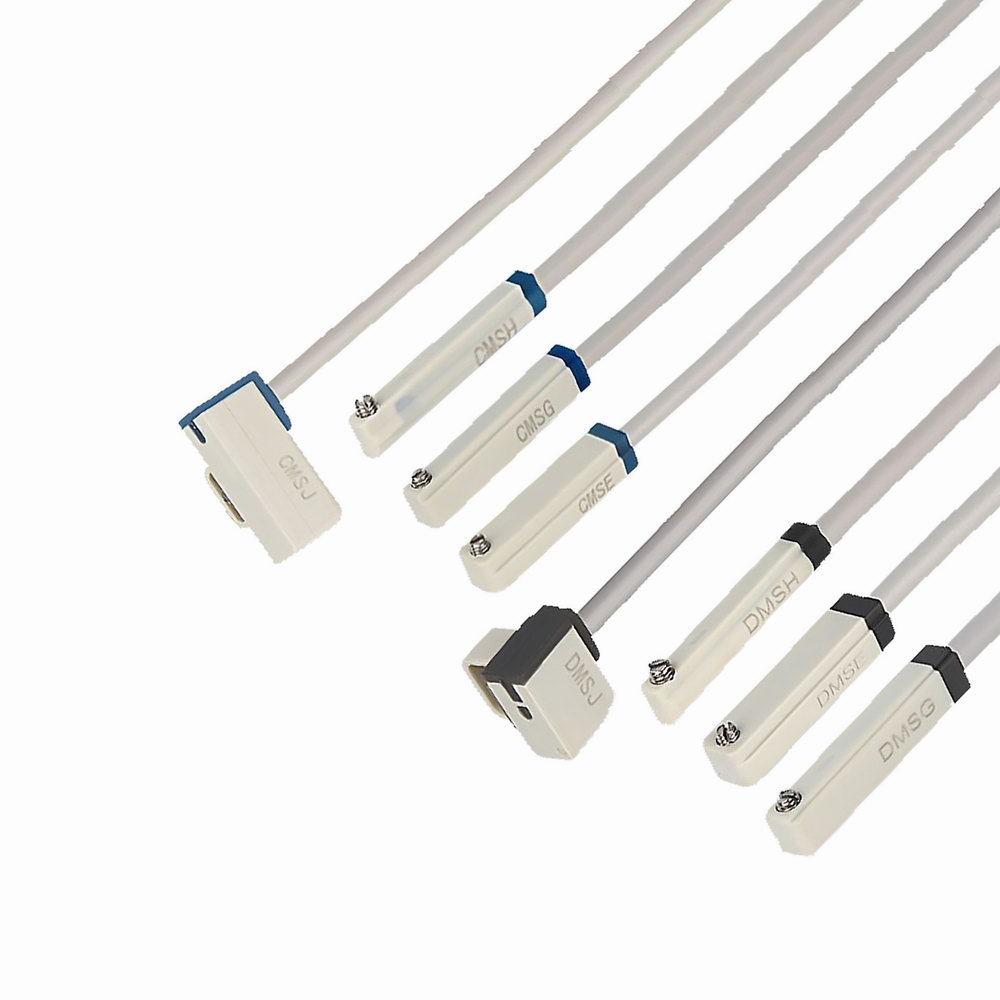
The air gripper cylinder is used to realize various grasping functions and is a key component of modern pneumatic manipulators. The air gripper has the following characteristics. ① All the structures are double acting, which can realize two-way grasping, automatic centering, and high repeat accuracy. ② The holding torque is constant. ③ Non-contact detection switches can be installed on both sides of the cylinder. ④There are various installation and connection methods.
The picture shows a griping , rotating,and elevating system. The linear pneumatic cylinder is incharge of elevating the bottles , the servo motor activated rotating component is incharge of turn the bottle, and the gripper cylinder is holding the bottle.
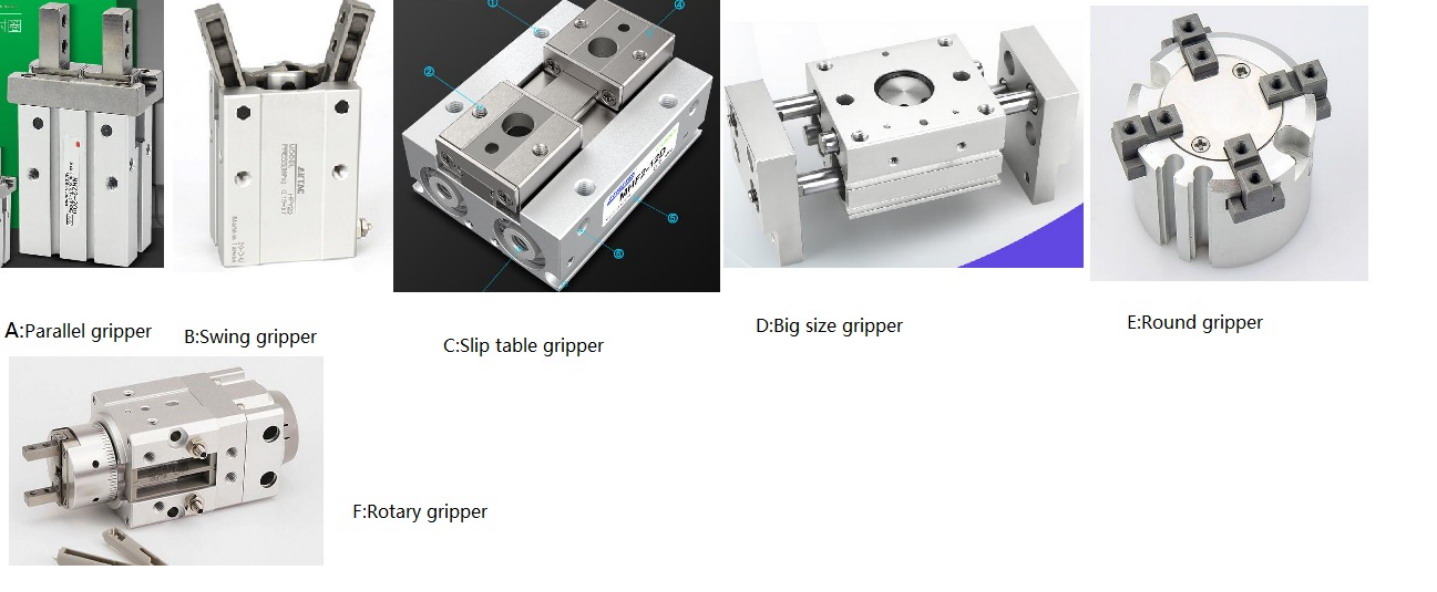
As shown in Figure (a), the parallel gripper is operated by two pistons, and the two grippers are moved to the center. This gripper can output a large gripping force, and can be used for both internal and external gripping. As shown in Figure (b), the swing gripper . 40 ° -180° swing angle inside and outside, with a large gripping force and ensuring that the gripping torque constantly. As shown in Figure 2-37 (c), the compact slide table gripper. The two air grippers can be moved simultaneously and automatically centered. The rack and pinion principle ensures that the gripping torque constantly. Figure 2-37 (d) shows the  big size air gripper. Could supply great grip force. Figure E:The four fingers air grippers ,open and close at the same time, which is suitable for clamping cylindrical workpieces and press-in work. Figure F: the rotary two point air gripper. The difference with other types of gripper is adding a rotary function.

What’s the pneumatic rotary cylinder or pneumatic rotary actuator?

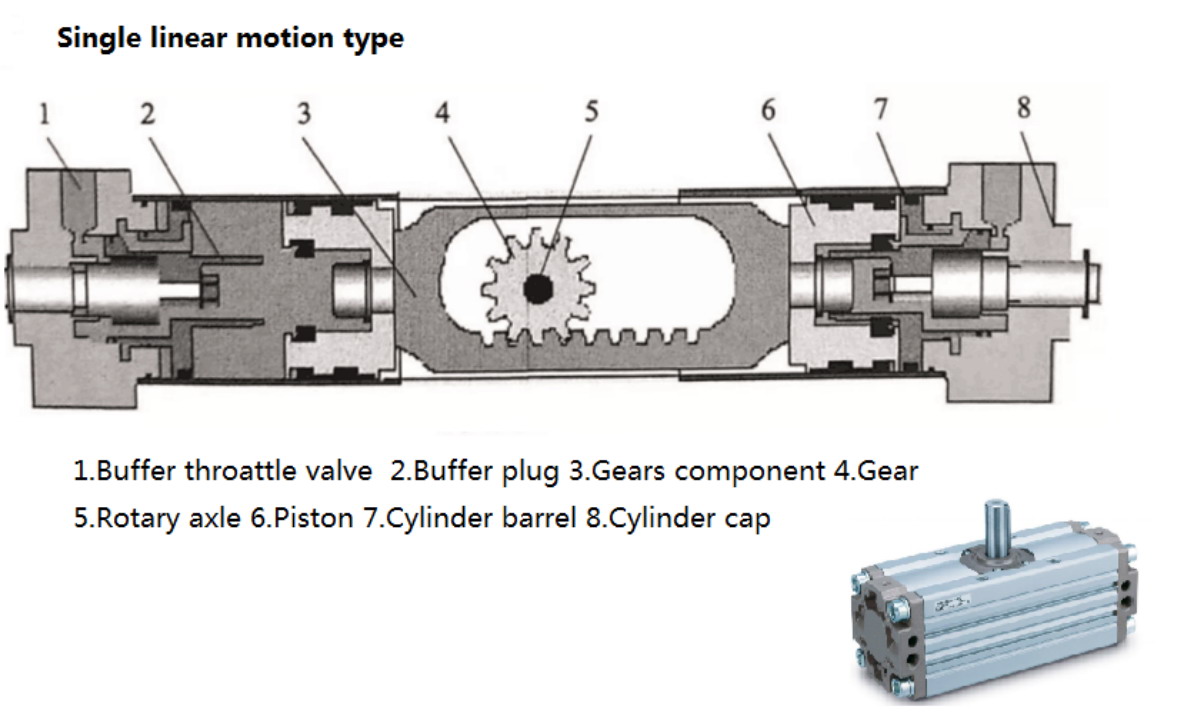
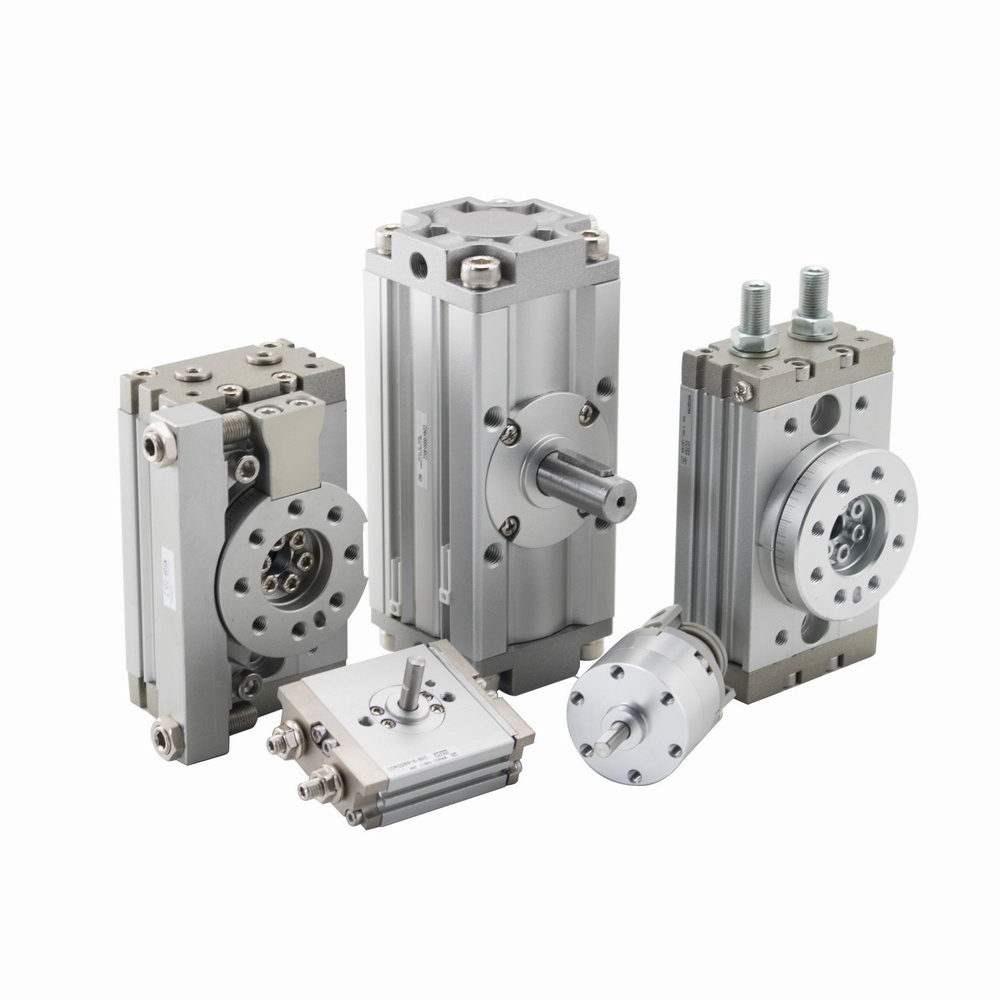
The typical rotary cylinder is an element that converts a double-acting linear motion or a linear motion to the rotary motion. It was called as rotary cylinder or rotatary motor. The following picture show a single linear motion type rotary cylinder-rack and pinion cylinder.
The following picture show another double-acting linear motion type :
According to the structural characteristics of the rotary cylinder, it can be divided into blade type, rack and pinion type, screw type and crank type. Beside the vane type, they all include a cylinder and a converting mechanism.

For Automation Designer:

Rotary cylinders are used in a wide field, for revolving parts which are limited in installation position or have a rotation angle less than 360 °. Normally,there are three turning specifications: 90 °, 180 °, and 270 °.

What can we do with the rotary actuator ?

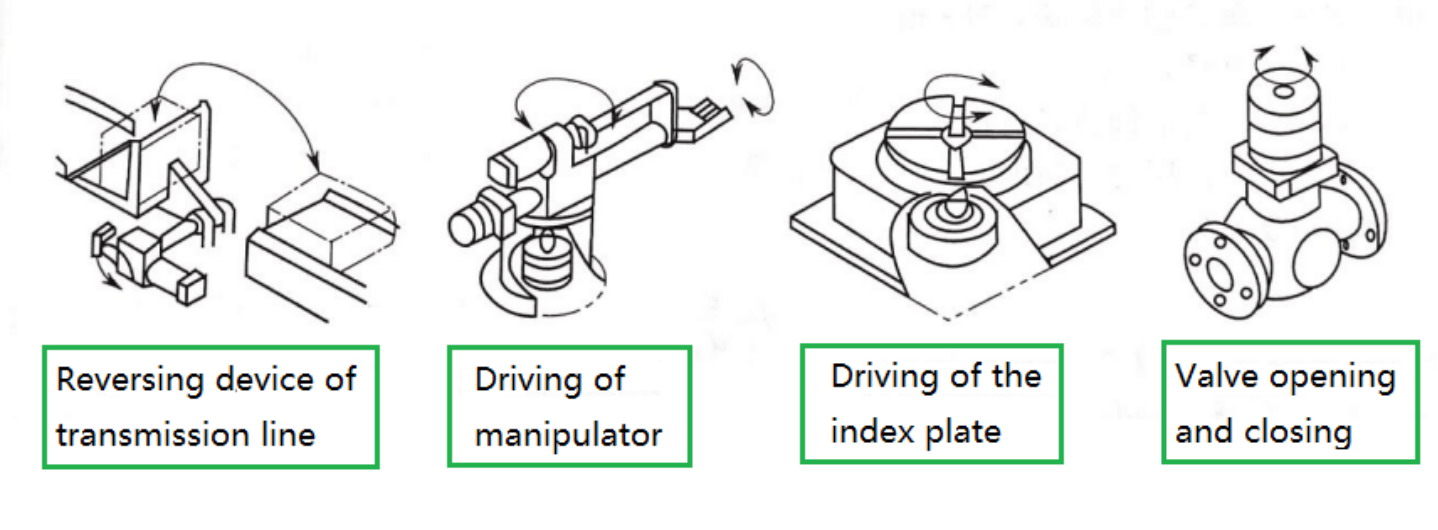
Working as reversing device actuator or rotating the manipulator are widely used in the automation system. And also work as the pipe valve’s actuator. Picture shows the usage of the rotary cylinder in the manipulator system .
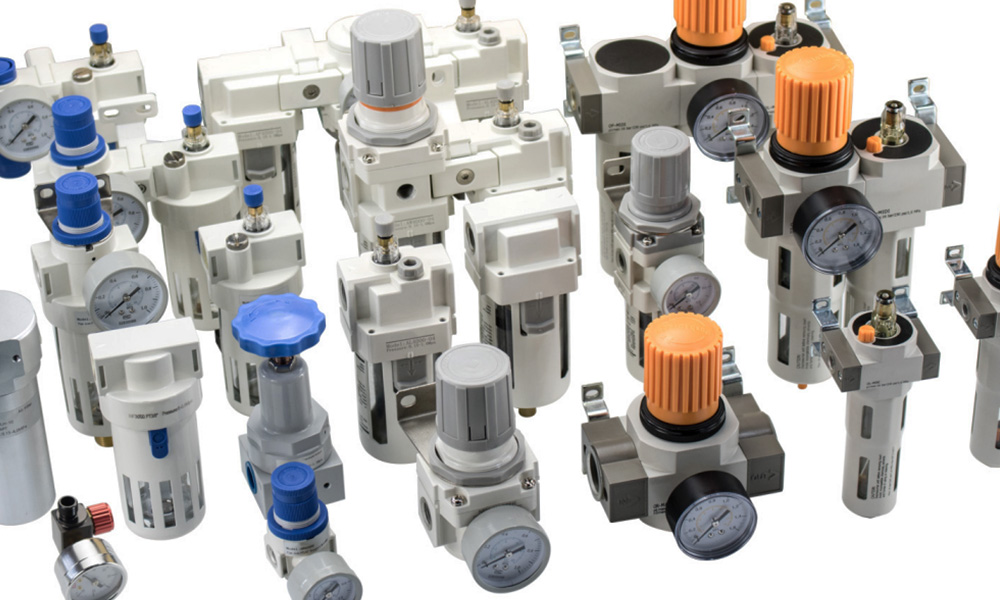
Generally, there are several key points for selecting cylinders :

①Determine the load force and load rate according to the specification . ②The stroke of the cylinder is pre-selected according to the actual running distance of the cylinder and the transmission mechanism. In order to facilitate installation and debugging, the calculated distance should be increased by 10-20mm, but it should not be too long to avoid increasing air consumption. ③ Determine the type and installation form of the cylinder according to the purpose of use and installation location. You can refer to related manuals or product samples. ④ The movement speed of the piston (or cylinder) mainly depends on the cylinder inlet and exhaust ports and the inner diameter of the duct.

Precautions for using cylinder

The use of cylinders should meet the normal working conditions of the cylinders to achieve better results. These conditions include working pressure range, pressure resistance, ambient temperature range, operating speed range, lubrication conditions, etc. Due to the wide variety of cylinders, the performance and use conditions of various types of cylinders are different, and the conditions specified by each manufacturer are also different. Therefore, the selection and use of cylinders should be based on the product samples of each manufacturer. The piston rod can only bear axial load, and the relative movement of the cylinder is equipped with a sealing ring. Therefore, during installation, the piston rod can only bear the tension and pressure load. It is not allowed to bear the partial load or radial load. When using the cylinder drive, consider the convenience of installation and adjustment, and avoid the piston hitting the end cover and damaging the cylinder. Except cylinders without oil lubrication, all cylinders should be lubricated with oil. When the cylinder is used as the actuator, due to the compressibility of the gas, the design minimum movement speed should be> 50mm/s, otherwise it will cause instability (creeping). Since the working pressure of the cylinder’s working medium and compressed air is generally 0.5~0.8MPa, and the structure of the cylinder should not be too large, when the total output force is ≥40kN, hydraulic cylinders should generally be used for driving. Attention must be paid to the strength of the piston rod when using the cylinder. The piston rod is not allowed to bear radial load. If the pneumatic equipment is left unused for a long time, it should be ventilated and maintained regularly, or the cylinder should be removed for oil protection to prevent corrosion and damage.