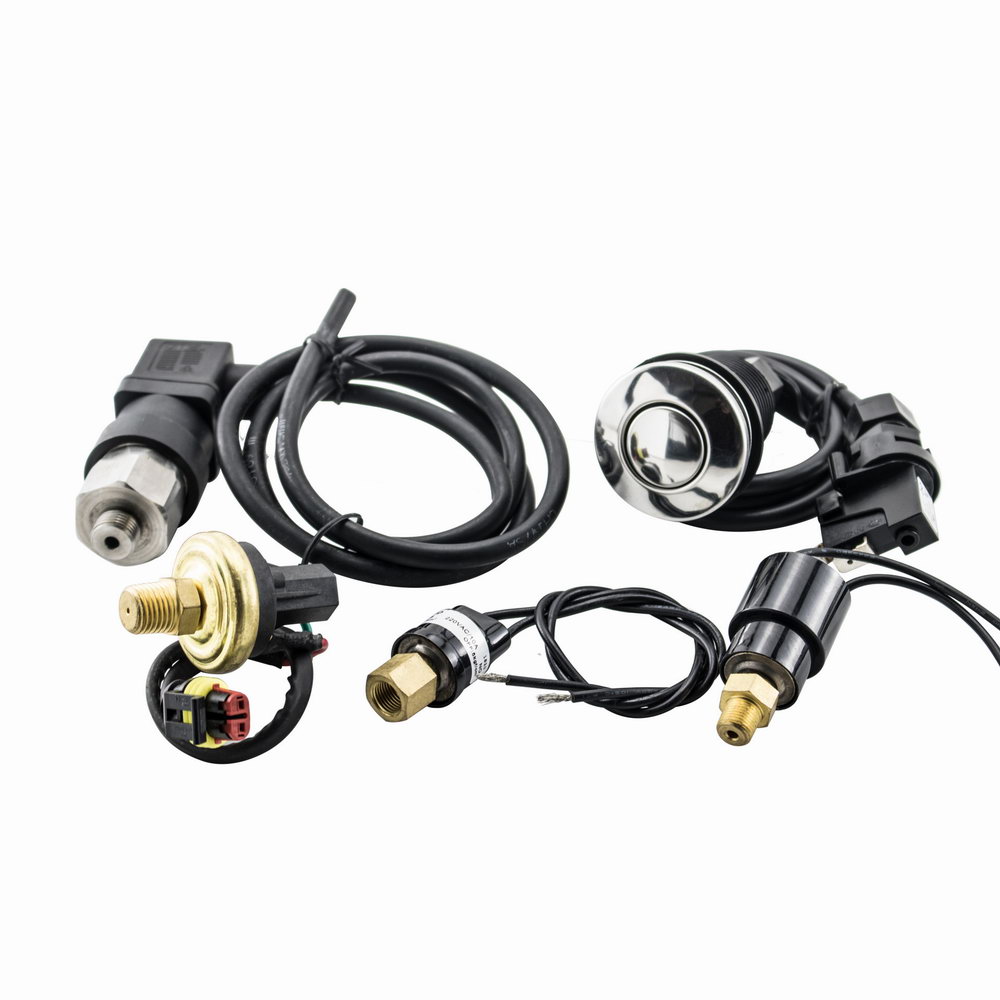
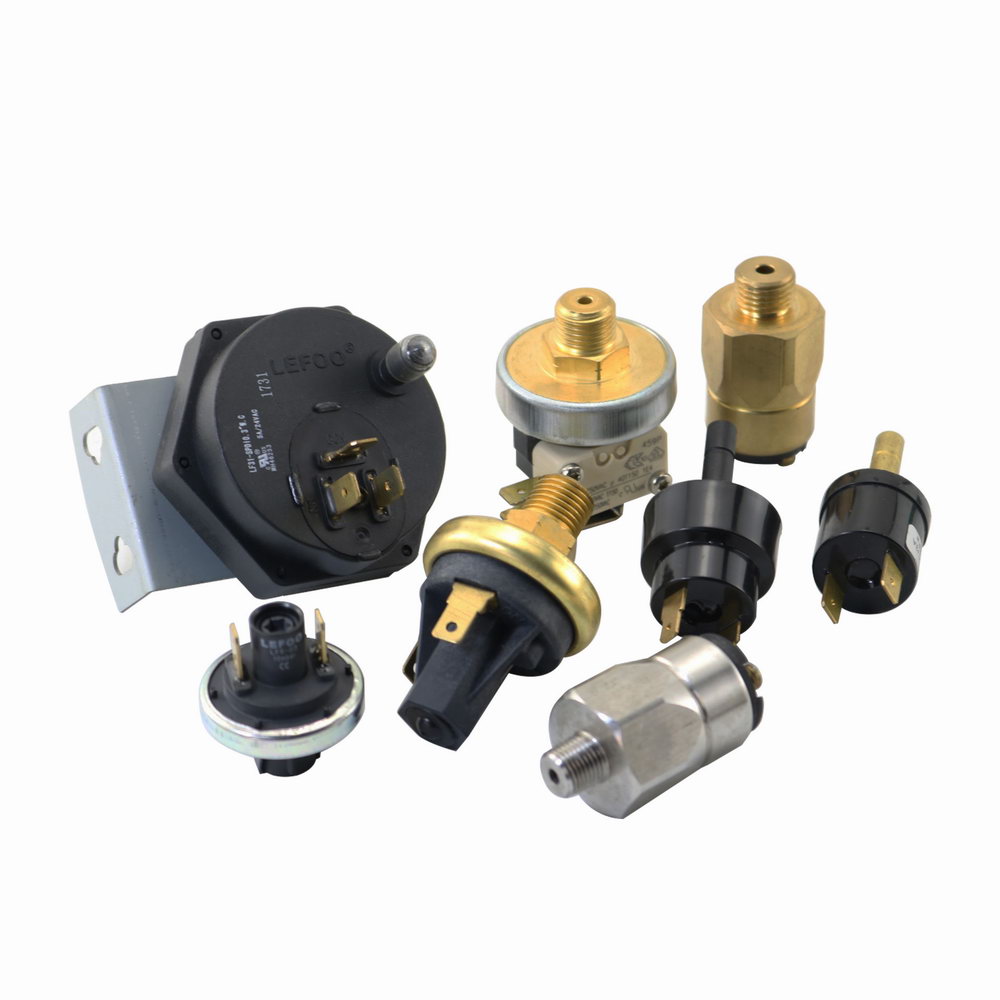
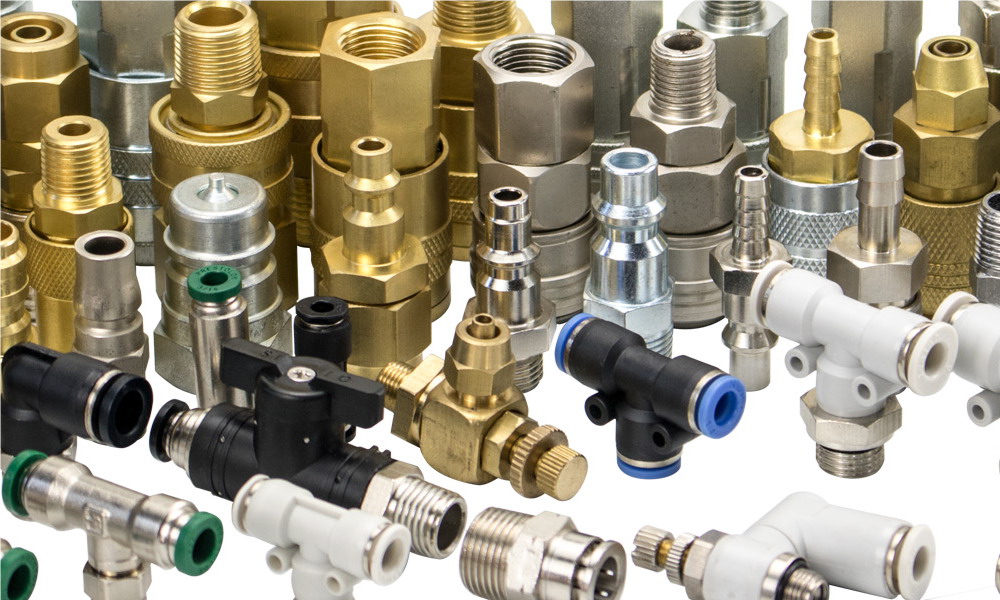
A pressure switch is a mechanical or electronic device that responds when fluid, air, or gas pressure reaches a set threshold. It controls the activation or deactivation of pumps, shut-off valves, or alarms in various systems.
The switch activates an electrical contact when pressure rises above or falls below a preset level. Common internal mechanisms include:
Bourdon tubes
Diaphragms
Pistons
Membranes
In mechanical types, a spring opposes the inlet pressure. Adjusting the spring tension via a set screw or knob determines the switch point. Once pressure falls back, the switch resets.
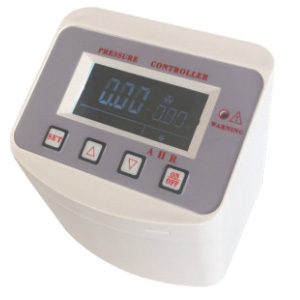
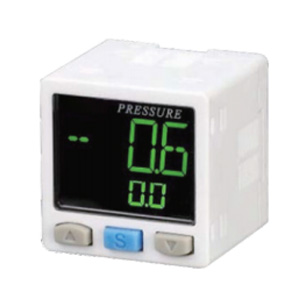
Digital pressure switches quickly detect input pressure and convert it into high-accuracy electrical signals based on preset values. These signals reflect pressure changes and are used for precise control and monitoring in automated systems.
Thanks to their high accuracy and stability, digital pressure switches are ideal for production lines and laboratory environments—particularly for sensor testing, automated calibration, and reference pressure control.
Traditional mechanical switches are increasingly being replaced by digital versions. Digital pressure switches offer several advantages:
1. Cost effective: products featuring low cost, extensive application for industrial and civil product.
2. Application: It’s widely used for measuring the pressure of gas and liquid, such as water, oil sensing elements.
3. Material: The product is made of 1Cr18NI9TI stainless steel and with selected pressured convenient.
4. calibration: the special circuits for V/I adaptor makes the zero and full range calibration more convenient.
5. Connection: Non-polar two-wire current and three-wire AC/DC voltage output are provided.
1. Cost effective: products featuring low cost, extensive application for industrial and civil product.
2. Application: It’s widely used for measuring the pressure of gas and liquid, such as water, oil sensing elements.
3. Material: The product is made of 1Cr18NI9TI stainless steel and with selected pressured convenient.
4. calibration: the special circuits for V/I adaptor makes the zero and full range calibration more convenient.
5. Connection: Non-polar two-wire current and three-wire AC/DC voltage output are provided.
High pressure switches are designed to withstand extreme conditions, with operational ranges from 1 psig up to over 10,000 psig—commonly around 4,500 to 7,500 psig.
They can be actuated by:
Diaphragms (most common)
Pistons
Piezoelectric crystals
In diaphragm-based models, actuation occurs when system pressure exceeds the set point, triggering a switch response.
Unlike standard pressure switches, high pressure models maintain performance under:
Extreme pressures
Explosion-prone areas
Wet or submerged environments
These switches offer continuous pressure control, even under failure-prone conditions, making them ideal for explosion-proof and waterproof applications.
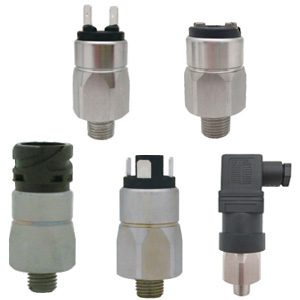
1. PF701B: Diaphragm type, maximum safety pressure: 300 bar. 1,000,000 times, maximum working pressure: 150 bar.
2. PF702: Piston type, maximum safety pressure:600 bar. 1,000,000 times, maximum working pressure: 450 bar.
3. PF702A/PF702B: Diaphragm type, maximum safety pressure:600 bar. 1,000,000 times, maximum working pressure: 450 bar.
4. PF703A: SPDT, safety pressure: 300 bar. 1,000,000 times, maximum working pressure: 150 bar.
5. PF704/PF704A: Piston type perssure switch with DIN43650-A Hirchman connection, SPDT and 600bar of maximum safety pressure. Max working pressure: 450 bar
6. PF705/705A/705B: Diaphragm type pressure switch with 6.4mm plug terminal, brass body and a maximum safety pressure of 80 bar.
7. PF706/706A/706B: Diaphragm type pressure switch with DIN 43650-A Hirschman connection.brass body and 80bar of maximum safety pressure.
Low pressure switches are designed to detect small or reduced fluctuations in system pressure. Their primary function is protective—preventing damage or system failure due to a loss of pressure in a line. When pressure or flow drops below a defined threshold, these switches can shut down equipment, trigger alarms, or transmit a pressure signal for monitoring.
Types of Low Pressure Switches
Differential Low Pressure Switches: These measure the difference between two pressure points and activate when the pressure gap meets a preset value.
Positive Low Pressure Switches: These detect rising (positive) pressure and convert the signal into an electrical output when the pressure exceeds a set point.
Negative Low Pressure Switches: Designed to sense vacuum or negative pressure, these switches output an electrical signal in response to decreasing pressure.

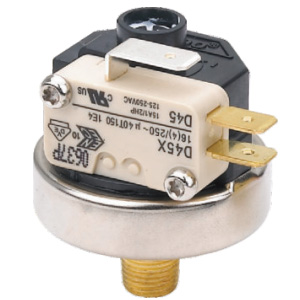
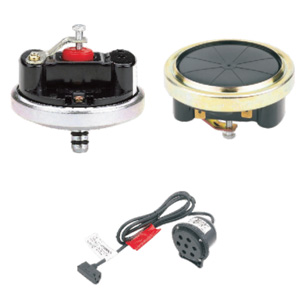
The PF08 switches are fixed set point, factory calibrated pressure switches.
1. It is automatic reset, and can be normally open or normally close contacts.
2. All metallic wetted components make the PF08 switch compatible with a multitude of chemicals in liquid or gas form.
3. It is offered numerous types of electrical terminations from different size and style push on terminals to wire leads with an array of standard industry connectors.
PF08A is an overloaded pressure switch, the maximum pressure can be up to 750 PSI and the maximum rated current can be 25A
2. The contact arrangement can be normal close or normal open.
3. It can be used in the refrigerating unit, all kinds of air conditioner, air compressor, oil pump and other commercial equipment which need the protection of the pressure system by adjusting the fluid pressure automatically.

PF25 Steam pressure switch is designed for control pressure with higher current capacity.
1. It is widely used in steam cleaner, steam sadiron and other pressure control system.
2. It provides SPST or SPDT contact form and switch deadband (Also referred to as mechanical differential or hysteresis).
3. PF25 switch utilize high-quality miniature snap-action switches.
4. The switch is diaphragm operated.
5. Diaphragm material can be selected for the operating medium, temperature range and other parameters.
6. During the development of a specification, actuation point can be adjusted by thel designer. In production, factory setting is required.

The PF20 hot tub pressure switch is specifically designed to stand up to extended duty applications.
1. This switch is factory set but capable of field adjustment.
2. It features different diaphragms for compatibility with a wide variety of fluids, and various terminations including a Metri-Pack connector that forms a tight seal when connected.
3. Among the outstanding design benefits are its durable construction, compact size, and enhanced set point integrity.
4. It can be widely used for pool and spa, anti-skid braking systems, water pump systems, and dental air compressors, heavy construction, off road equipments and other pressure control systems.

1. PF26 is a compact pressure switch that can detect pressure ranges from as low as 0.2 bar up to 6 bar and 10 bar. The switching mechanism is an internal snap-action switch, offering high current capacity with options of SPST, SPDT, normally open and normally closed contacts.
2. It can be widely used in applications where pressure of air, steam, gas, etc. is involved. water etc.need to be controlled accurately and hysteresis is required.

1. PF37 diaphragm pressure switch is available for various sumps, effluent, and sewage application to control the liquid level.
2. Various switch settings are available for to turn-on or turn-off the pump.
3. The diaphragm pressure sensing design make it more reliable than traditional float ball mechanism.
4. Port connection design make it can sense the pressure without immersing the liquid directly.

1. PF08A is an overloaded pressure switch, the maximum pressure can be up to 750 PSI and the maximum rated current can be 25A.
2. The contact arrangement can be normal close or normal open.
3. It can be used in the refrigerating unit, all kinds of air conditioner, air compressor, oil pump and other commercial equipment which need the protection of the pressure system by adjusting the fluid pressure automatically.
A vacuum switch is a mechanical or electronic device that opens or closes an electrical circuit when vacuum pressure reaches a set point. It’s widely used in hydraulic, pneumatic, and fluid systems for pressure control and safety.
Pressure Control: Activates or stops equipment based on vacuum level.
Safety Interlock: Prevents overpressure or vacuum loss.
Automation: Triggers relays or valves automatically when vacuum thresholds are met.
Vacuum Systems: Maintains safe operating pressure.
Processing Equipment: Protects pumps and components.
Turbomolecular Pumps:
Ensures correct fore-line pressure before startup.
Closes relay contact to start the pump or shut a solenoid valve when vacuum is sufficient.
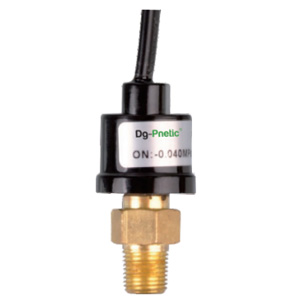
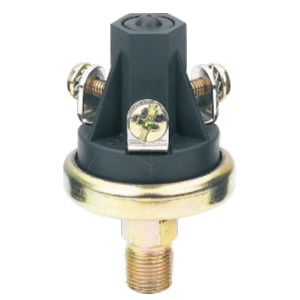
1. Cost effective: products featuring low cost, extensive application for industrial and civil product.
2. Application: It’s widely used for measuring the pressure of gas and liquid, such as water, oil sensing elements.
3. Material: The product is made of 1Cr18NI9TI stainless steel and with selected pressured convenient.
4. calibration: the special circuits for V/I adaptor makes the zero and full range calibration more convenient.
5. Connection: Non-polar two-wire current and three-wire AC/DC voltage output are provided.
1. Cost effective: products featuring low cost, extensive application for industrial and civil product.
2. Application: It’s widely used for measuring the pressure of gas and liquid, such as water, oil sensing elements.
3. Material: The product is made of 1Cr18NI9TI stainless steel and with selected pressured convenient.
4. calibration: the special circuits for V/I adaptor makes the zero and full range calibration more convenient.
5. Connection: Non-polar two-wire current and three-wire AC/DC voltage output are provided.
Operating & Maximum Pressure
Identify your system’s normal operating pressure and the maximum pressure the switch may encounter.
Setpoint Range
Ensure your desired setpoint is achievable within the switch’s range. Mechanical switches often cannot provide setpoints in the lowest 10–15% of their pressure range due to actuator limitations.
Material Compatibility
Verify that process connections and wetted materials (e.g. diaphragms, pistons, O-rings) are compatible with the media.
Temperature Tolerance
Confirm the switch can withstand your application’s maximum operating temperatures.
Electrical Requirements
Choose an appropriate microswitch based on the system’s voltage, current, and switching type (AC/DC, SPDT, etc.).
Certifications & Approvals
Determine if your application requires hazardous location ratings (e.g., ATEX, IECEx) or industry-specific approvals.
Optional Features
Consider additional options such as enclosures, indicators, or custom fittings as needed.
Deadband: Fixed or Adjustable
Fixed deadband is defined by the switch’s internal design and materials.
Adjustable deadband allows you to fine-tune the reset point to better match your process needs.
Environmental Conditions
For outdoor use, consider protection against weather and temperature extremes. Select the proper IP or NEMA rating to ensure reliable operation in harsh environments.