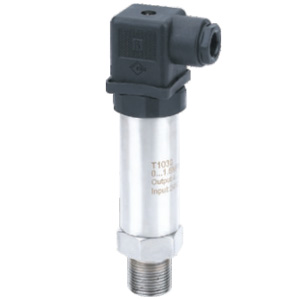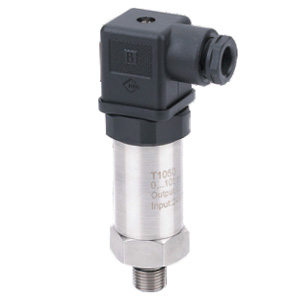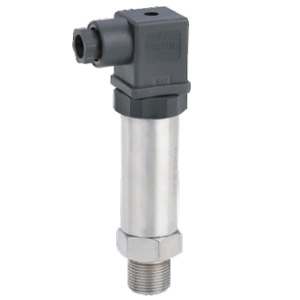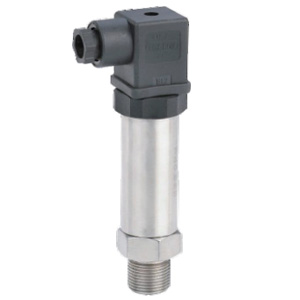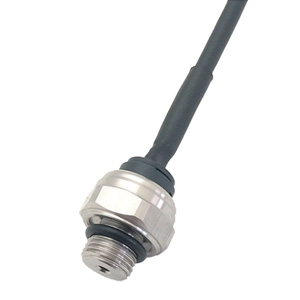
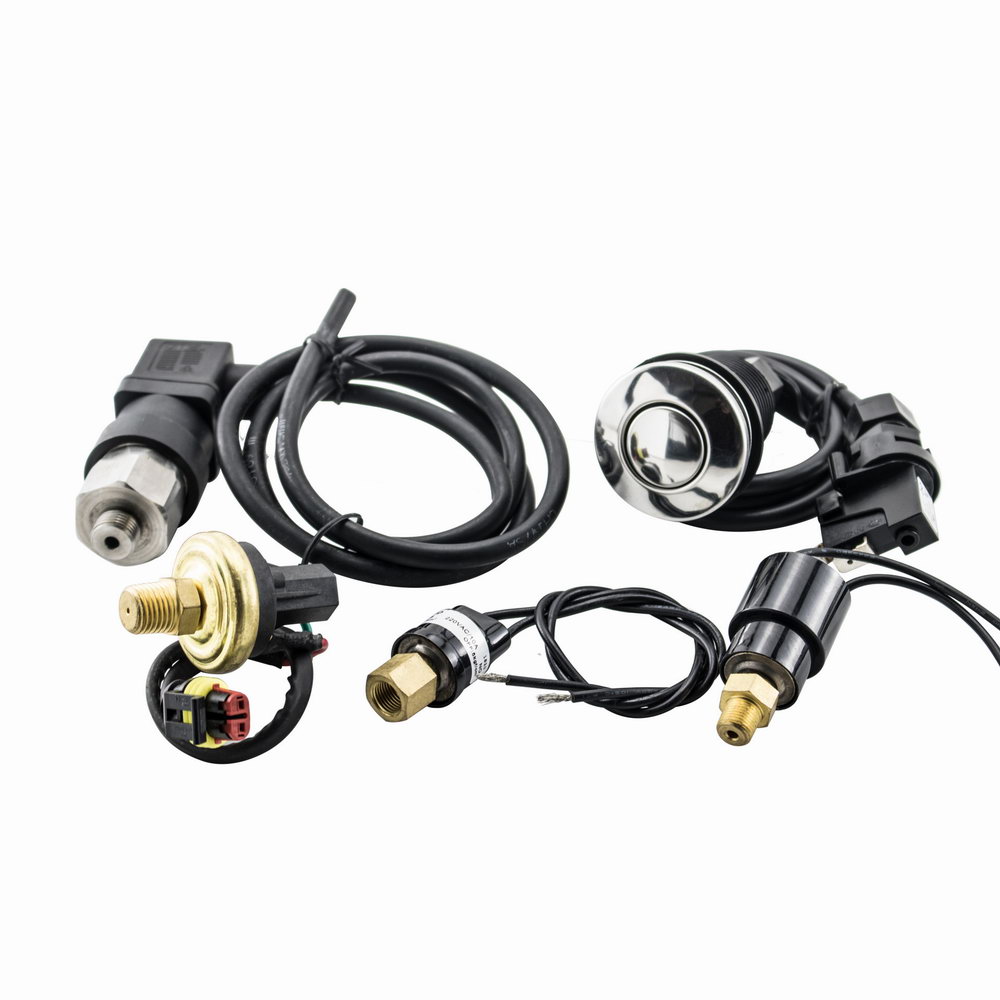
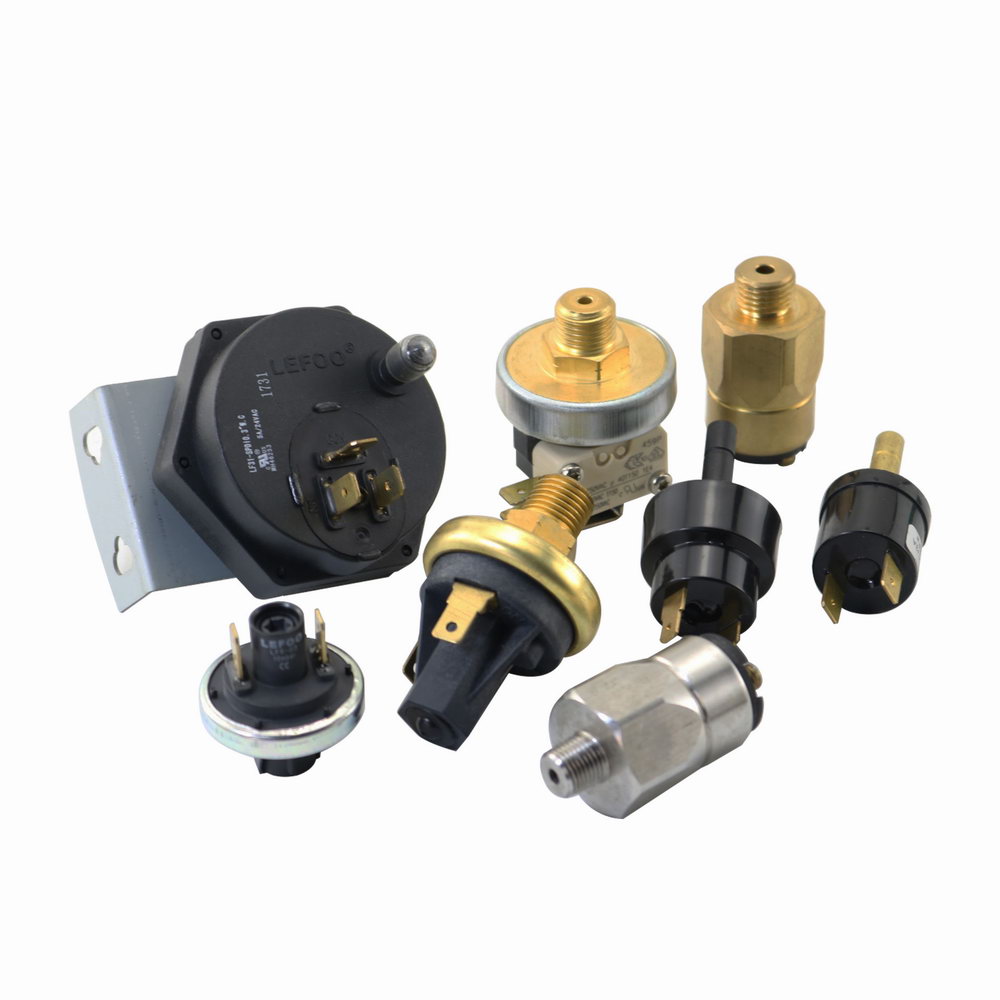
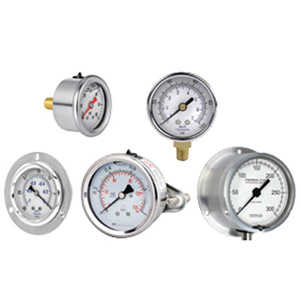
A pressure transmitter is a device designed to measure pressure in liquids, gases, or fluids and convert that pressure data into an electrical signal. This signal is typically transmitted to a PLC (Programmable Logic Controller) or other control systems for monitoring and automation purposes.
As a subcategory of pressure transducers, pressure transmitters often include additional functionalities such as reset and calibration options. Certain sensor types allow users to adjust the measuring span over a broad range. These devices operate by converting pressure into an analog electrical output, which can then be interpreted by control systems.
Pressure Transducer:
A transducer converts one form of energy into another. For example, a pressure transducer converts a physical variable—such as pressure—into an analog electrical signal.
Pressure Transmitter:
A transmitter takes the signal from a transducer and amplifies it for long-distance transmission to controllers like PLCs or DCS (Distributed Control Systems). Essentially, it builds upon the basic function of a transducer with added signal conditioning and transmission capabilities.
Products Features: high precision, high reliability, cost-effectiveness and flexible range.
Application: Testing the pressure of gases and liquids, such as water, oil, light hazardous liquids and gases.
Parameters:
1. Accuracy: ±0.25%, ±0.5% F.S.
2. Zero and full rang can be adjusted.
3. One unit or non-standard order is acceptable.
4. Displayer is optional.
5. Digital compensation with whole range of temperature, various of pressure range and signal output.
6. Non-polarity two wired current output.
1. Cost effective: products featuring low cost, extensive application for industrial and civil product.
2. Application: It’s widely used for measuring the pressure of gas and liquid, such as water, oil sensing elements.
3. Material: The product is made of 1Cr18NI9TI stainless steel and with selected pressured convenient.
4. calibration: the special circuits for V/I adaptor makes the zero and full range calibration more convenient.
5. Connection: Non-polar two-wire current and three-wire AC/DC voltage output are provided.
Application: used for absolute vacuum measuring control, which has fully solved the problem of difficult vacuum measurement.
Features:
1. Optional accuracy: ±0.25% F.S, ±0.5% F.S
2. Can be customized with the brand for OEM usage.
3. Acceptable for MOQ from one unit.
4. Flexible pressure ranges and output options.
5. No-polar two-wire current output.
6. AC/DC voltage output.
Features:
1. High temperature resistance, wide range, and high accuracy.
2. It is widely used in the testing of gas and liquid pressure, such as water and oil. light hazardous liquid and gas.
Parameters:
1. ±0.1, ±0.25, ±0.5% F.S accuracy
2. Spray-diaphragm core.
3. 150℃ proof-temperature.
4. Entirely welded without O-ring.
5. Various connectors and pressure connections.
6. Non-polar two-wire system currency output.
Product details:
1. Specially designed for constant pressure frequency water supply system.
2. With stainless steel housing, buffer screw and anti water hammer, it can be used in the water supply system for pressure sensing, signal receiving and feedback.
3. T2000W is a high demand, cost effective product for civil use.
4. Measure range: 0-10Bar (140Psi)
5. Accuracy: ±1.0% F.S
6. Output Model: Three wire
7. Power Supply: 5VDC
Widespread Industrial Use
Pressure transmitters are commonly used across a variety of industrial sectors to monitor and control critical pressure conditions.
Oil & Gas Applications
In offshore drilling and oil exploration, pressure sensors measure differential pressure between the interior and exterior of sensitive equipment. Accurate measurements help ensure safe, efficient, and compliant drilling operations.
Petrochemical & Chemical Plants
Onshore petrochemical, gas, and chemical facilities rely on pressure transmitters to regulate process parameters and maintain system integrity.
Storage & Transportation Systems
Many industries use pressure-sensitive transportation and storage systems to preserve optimal product conditions. Monitoring pressure ensures safe delivery and reliable application of sensitive materials.
Laboratory & Research Use
In laboratory environments, pressure sensors are used to measure the difference between vacuum chamber pressure and atmospheric pressure. These measurements support a wide range of scientific studies and experimental research.